

The Cost Of Bracketing And Over-Ordering In Online Fashion
Bracketing inflates fashion conversion until returns arrive. Learn how Shopify brands reduce over-ordering with fit guidance, media, and try-on.

Bracketing is what happens when shoppers order multiple sizes or colors with the intention of returning most of them. From one angle, it looks like conversion. From another, more honest angle, it looks like your fitting room moved into your shipping budget.
Fashion brands know the pattern. Two sizes go out. One comes back. Sometimes both come back. The first revenue number looks fine. The margin story arrives later, wearing a return label.
The goal is not to shame shoppers. Bracketing is rational behavior when the product page does not provide enough confidence. The fix is to make the pre-purchase decision better.
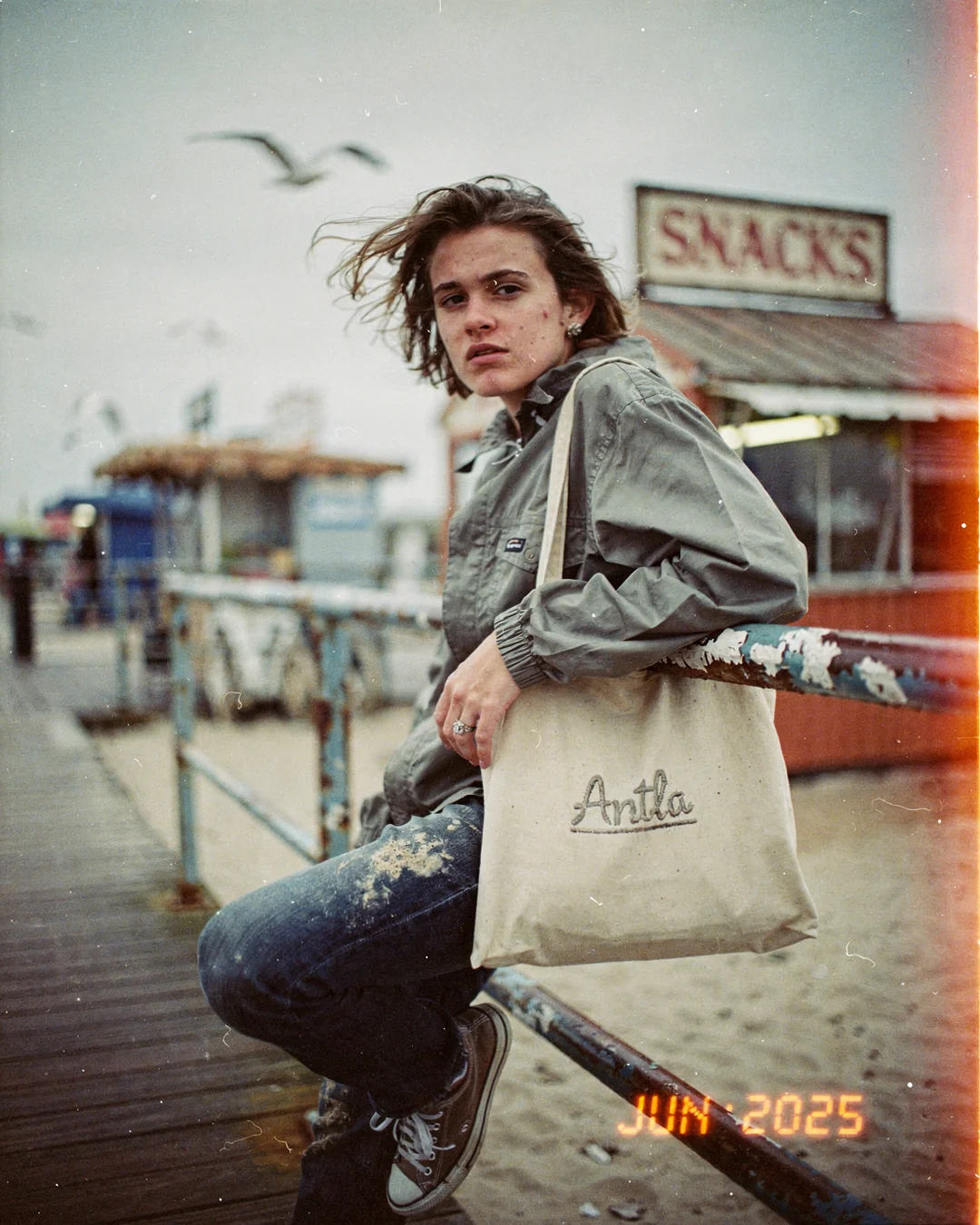
Bracketing happens when the first size choice does not feel safe. Layered boardwalk editorial for fashion return economics.
This article focuses on bracketing and over-ordering, not every type of fashion return. For pre-checkout prevention, read how virtual try-on reduces returns before checkout. For the full strategy, see how to build a fashion returns-reduction strategy on Shopify.
Why Bracketing Happens
Online apparel asks shoppers to make a physical decision without physical evidence. If they are unsure, ordering multiple sizes can feel safer than guessing.
That behavior is encouraged by generous return policies, free shipping thresholds, and inconsistent sizing across brands. The shopper is not trying to damage margin. They are trying to avoid disappointment.
The problem is that bracketing turns uncertainty into operational cost:
- Extra outbound shipping
- Higher return volume
- More inspection and restocking
- Inventory unavailable while in transit
- More customer service work
- Greater risk of damaged or unsellable returns
- Lower confidence in the next purchase
NRF and Happy Returns reported $890 billion in 2024 retail returns. Bracketing is only one part of that total, but for fashion brands it is one of the clearest examples of product-page uncertainty becoming a cost center.
A Bracketed Order Is Not Always A Healthy Order
Top-line conversion can hide weak demand quality.
If a shopper orders three sizes and keeps one, the store may record a purchase, but the operational reality is messier. The brand paid to ship a private fitting room. The return team then pays to unwind it.
That matters for paid acquisition too. If campaigns drive orders that return at high rates, ROAS can look healthier than the business actually feels. A product can win the ad auction and lose the margin argument.
This is why conversion analysis should include return behavior. A lower-friction checkout is useful. A lower-friction checkout that produces avoidable returns is just speed with consequences.
Reduce Bracketing By Reducing Guesswork
Bracketing drops when shoppers trust the first choice.
Start with better fit information. If size charts are doing lonely work, see why size charts fail Shopify fashion brands. Put garment measurements close to the buying decision. Explain whether the product runs fitted, relaxed, cropped, long, supportive, sheer, structured, stretchy, or low coverage. Name the tradeoff before the customer discovers it at home.
Use product photography to show body-relevant information. A beautiful front image is not enough if the return reason is inseam, sleeve length, or side profile.
Use reviews to collect size confidence. Ask customers what size they bought, how it fit, and what they normally wear. Then surface that information where shoppers choose size.
Finally, use try-on. Antla’s virtual try-on feature gives shoppers a personal preview before checkout. When shoppers can see the product on themselves, the need to order backup options can shrink.
The Antla Return Math
Antla customers have seen returns drop by up to 30% when try-on improves pre-purchase expectations. That result matters because return reduction is not only a logistics win. It protects margin, inventory availability, and customer trust.
Antla merchants also see try-on users convert 35% higher on average. That means the return strategy is not simply “make shoppers more cautious.” It is “make shoppers more certain.”
There is a difference.
The best outcome is not fewer orders. It is fewer weak orders and more confident purchases.
How To Spot Bracketing In Shopify Data
Look for orders with multiple sizes or colors of the same product. Then compare them against return behavior.
Questions to ask:
- Which products are most often ordered in multiple sizes?
- Which size pairs appear together?
- Do shoppers keep the smaller or larger size more often?
- Do certain campaigns drive more bracketing?
- Are return reasons tied to fit, length, coverage, or fabric?
- Do try-on users bracket less than non-try-on users?
Shopify’s returns documentation helps with process, but the strategic work is connecting order patterns to PDP fixes.
If a product is frequently bracketed, improve that product page first. Do not wait for a full site redesign. Margin is not sitting politely until the roadmap clears.
A Practical Anti-Bracketing Plan
Choose five high-volume products with high return rates. For each one, review the PDP and identify the uncertainty that likely causes shoppers to hedge.
Then make one improvement per product:
- Add clearer measurements
- Improve product media
- Move size guidance higher
- Add fit-specific review snippets
- Add virtual try-on beside product images
- Rewrite fit copy in plain language
- Clarify the return policy without making it the main fit tool
After the changes, track bracketing rate, return rate, try-on engagement, and conversion. The goal is not perfection. The goal is fewer orders where the customer is clearly outsourcing the fitting room to your warehouse.
Bracketing Is A Symptom Of Missing Decision Support
When shoppers order three sizes, the product page may have converted the cart without converting the decision.
The broader industry is starting to address that problem upstream. Amazon’s move away from Try Before You Buy matters because it reflects a larger shift: reduce the need to send uncertain inventory back and forth by giving shoppers stronger digital support earlier.
For fashion brands, bracketing is often a perfectly rational shopper response. If fit is unclear and the event is soon, ordering backups feels safer than trusting a chart. The merchant pays for that uncertainty later through shipping, inspection, restocking, stockouts, and margin drag.
Antla’s role is to make the first decision less fragile. A shopper who can preview the product on themselves has one more reason to choose the right item once, instead of turning the cart into a temporary fitting room.
What Bracketing Tells You
Bracketing is not only a returns problem. It is feedback.
When shoppers repeatedly order two neighboring sizes, they are telling you the size decision does not feel safe. When they order the same dress in three colors, they may be unsure about color accuracy, styling context, or occasion fit. When they order multiple silhouettes and return most of them, the collection page may be pushing discovery while the PDP fails to build conviction.
That feedback should influence the page. Add comparison language between sizes. Show the garment on more than one body context when possible. Use try-on to make the first choice more personal. Add review snippets that mention whether shoppers sized up or down.
Also look at where bracketing appears in the funnel. If paid social campaigns produce more multi-size orders, the creative may be attracting aspiration without enough expectation setting. If organic search produces fewer bracketed orders, the article or landing page may be doing better education before the PDP.
The goal is not to eliminate all bracketing. Some customers will always hedge. The goal is to stop paying for bracketing that clearer product pages could have prevented.
The Bracketing Answer
Bracketing happens when shoppers order multiple sizes or variants because the first choice does not feel safe. It can inflate conversion while quietly hurting margin through shipping, returns, restocking, and inventory drag.
Shopify fashion brands can reduce bracketing by improving fit information before checkout. That includes garment measurements, clearer size guidance, better product media, fit-specific reviews, and virtual try-on.
Antla helps because it gives shoppers a personal preview before they order backup sizes. The goal is not to make customers cautious. It is to help them choose one product with more confidence. Fewer hedge orders means cleaner revenue, better inventory flow, and less warehouse work created by PDP uncertainty.
Frequently Asked Questions
What is bracketing in online fashion?
It is when shoppers order multiple sizes or colors with the intention of returning what does not fit or work. It can look like conversion while quietly hurting margin.
Why do shoppers bracket sizes?
Because the product page does not provide enough confidence. Bracketing is rational when fit, length, fabric, or color feels uncertain before checkout.
How can virtual try-on reduce bracketing?
Try-on gives shoppers a personal preview before they order backup options. Antla customers have seen returns fall by up to 30% when try-on closes the main expectation gap.
Continue The Bracketing And Returns Cluster
- How virtual try-on reduces returns before checkout
- Why size charts fail Shopify fashion brands
- How to build a fashion returns-reduction strategy
- Shopify PDP conversion optimization for fashion brands
About the author: Aaron is the founder of Antla. After years of frustrating returns, never looking like the supermodels on product pages, he set out to make fashion personal by helping shoppers see themselves in the outfits they want to buy.
If shoppers are buying backup sizes, the page is asking them to guess. Add Antla and make the first choice easier to trust.