

How Virtual Try-On Reduces Returns Before Checkout
Learn how virtual try-on reduces fashion returns before checkout by fixing expectation gaps on Shopify product pages, with a practical pre-purchase workflow.

Most fashion returns do not begin when the package arrives. They begin earlier, on the product page, when the shopper buys with a weak mental picture of what the item will look like in real life.
The warehouse sees the return. The PDP caused it.
That distinction matters because many brands treat returns as a post-purchase operations problem. Labels, portals, policies, restocking, customer service, all necessary. But if the page creates the wrong expectation before checkout, the return process is only cleaning up after the original confusion.
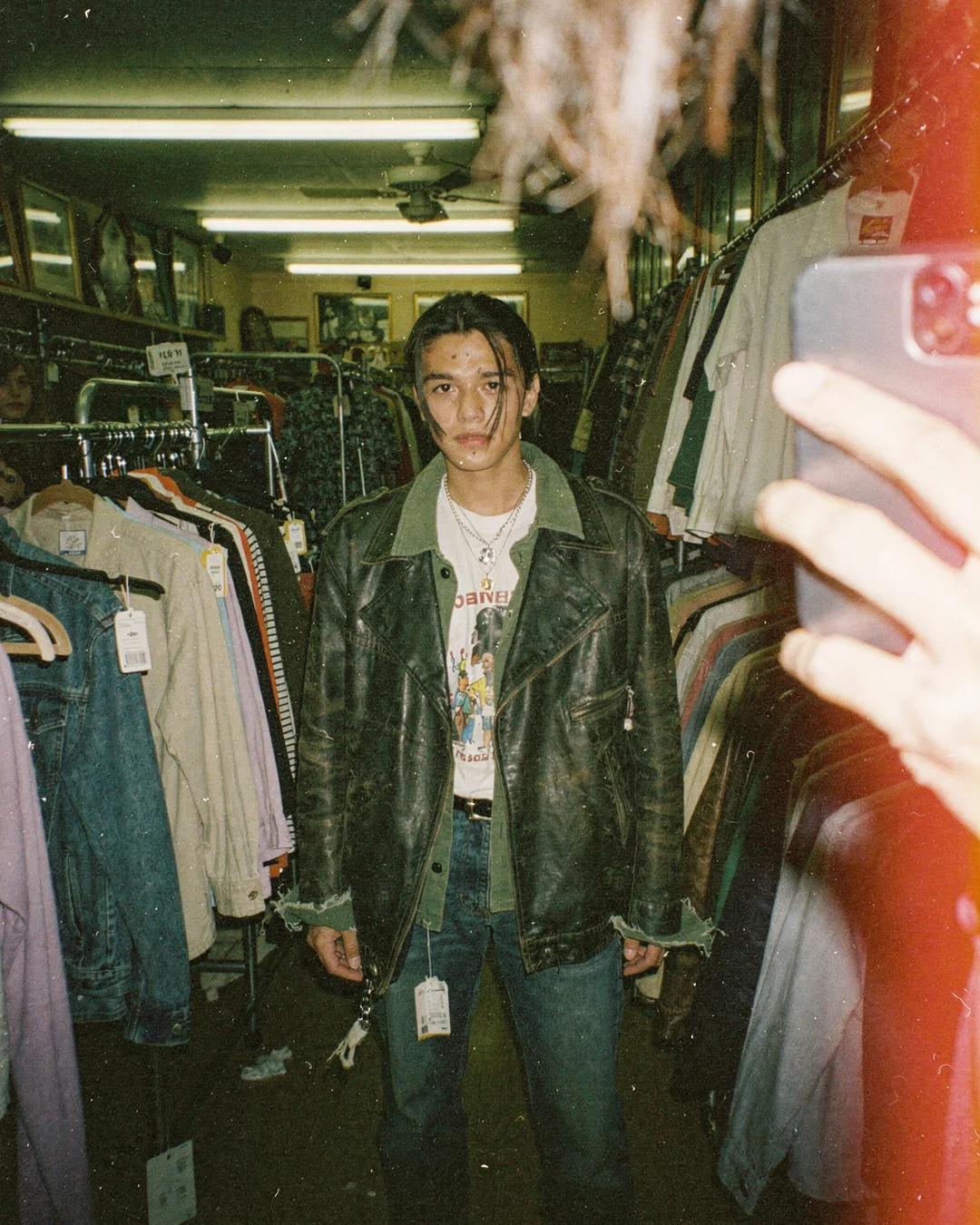
Returns often start when shoppers cannot see themselves in the product. Mirror-moment editorial for pre-checkout fit confidence.
This article focuses on pre-checkout return prevention, not a full returns-reduction strategy. For the complete framework, see how to build a fashion returns-reduction strategy on Shopify.
The Return Label Is A Symptom
NRF and Happy Returns reported that 2024 retail returns totaled $890 billion. That number is large enough to make any merchant briefly stare at a wall. For fashion brands, the problem is especially sharp because fit, color, fabric, and styling expectations are hard to judge from a flat product page.
Returns happen for many reasons, but avoidable fashion returns often share one pattern: the customer expected one version of the product and received another.
That gap can come from:
- A model whose proportions do not help the shopper judge fit
- A size chart that gives measurements without interpretation
- Fabric that looks more structured, sheer, heavy, or stretchy than it is
- Product photos that hide length or volume
- Styling that makes the item look easier to wear than it feels
A return policy still matters. Shopify’s returns and refunds documentation is useful for operational setup. But a better return strategy starts before the order, not after the label is printed.
Virtual Try-On Fixes The Moment Of Uncertainty
Virtual try-on gives the shopper a personal preview at the point where uncertainty normally wins.
With Antla’s virtual try-on feature, Shopify fashion shoppers can see how a product looks on their own image before buying. That does not replace size charts, photography, or product copy. It gives those details a personal anchor.
The shopper is no longer asking, “How does this look on the model?” They are asking a better question: “Does this work on me?”
That shift is why Antla customers have seen return reductions of up to 30% when try-on addresses the main expectation gap. The product did not magically change. The pre-purchase understanding changed.
Returns And Conversion Should Not Fight Each Other
Some merchants worry that showing more reality will reduce conversion. Sometimes it will reduce the wrong conversions.
That is not bad news.
If a shopper realizes before checkout that a dress is too fitted, a jacket is too cropped, or swimwear has less coverage than expected, the brand avoided a return. More importantly, it avoided a disappointed customer who now trusts the store a little less.
The better target is confident conversion. Antla merchants see try-on users convert 35% higher on average while also spending two to three times longer onsite. That combination matters because the shopper is more engaged and better informed. A fast checkout is useful only when the decision is sound.
What To Show Before Checkout
Return reduction depends on what the page explains.
For tops, the critical details might be shoulder placement, fabric drape, torso length, and neckline. For denim, shoppers need rise, inseam, stretch, thigh room, and leg shape. For dresses, the page should show bust placement, waistline, hip room, movement, and hem length. For swimwear and intimates, coverage, support, opacity, and comfort become the actual conversion language.
Baymard’s apparel and accessories research is useful because it treats apparel UX as practical decision support, not decoration. A fashion product page should help shoppers compare the item against their body and wardrobe.
Virtual try-on works best when the rest of the page is honest. Use it with:
- Clear garment measurements
- Size-specific review prompts
- Product media that shows scale and movement
- Fit notes that name tradeoffs
- Return reasons reviewed monthly
The page should feel like it is preventing disappointment, not hiding it until delivery.
The Return-Reduction Workflow
Start with your return reasons. Do not start with a redesign.
Group returns into plain categories: too small, too large, too short, too long, color mismatch, fabric surprise, coverage issue, product looked different, ordered multiple sizes. Then map each reason back to the PDP.
If customers return because length surprised them, add length context and try-on near the first image set. If fabric weight surprises them, add close-ups and plain-language fabric behavior. If customers bracket sizes, improve measurement guidance and put try-on before checkout hesitation becomes a two-size order. That bracketing pattern is covered in more detail in the cost of bracketing and over-ordering in online fashion.
Then measure whether the change works:
- Try-on engagement rate
- Add-to-cart rate after try-on
- Return rate for try-on users
- Return reasons after PDP changes
- Repeat purchase rate among try-on users
This is where Antla Pro AI can matter for higher-fidelity categories. If the garment relies on realism, detail, or subtle fit perception, image quality becomes part of the return strategy.
Returns Data Makes The Case For Prevention
Returns reduction is not a side quest for fashion merchants. That NRF and Happy Returns return estimate is broad retail data, but apparel brands feel the pressure sharply because fit and expectation problems are built into the category.
The practical lesson is that the cheapest return to process is the one that never becomes an order mistake. Amazon’s decision to end Prime Try Before You Buy is useful context here because the company pointed to AI-powered features, including virtual try-on and size recommendations, as part of the newer decision-support layer.
That does not mean every merchant should copy Amazon’s exact operating model. It means the industry is shifting from “ship the uncertainty and sort it out later” toward “answer more uncertainty before checkout.” Antla belongs in that second camp.
What To Fix Before Blaming The Customer
It is easy to look at return behavior and decide shoppers are the problem. Sometimes shoppers are messy, yes. They are human beings with calendars, mirrors, and changing opinions. But many returns are created by the information environment the brand controls.
Before tightening policy language, review the products with the highest avoidable return rate. Open those PDPs and ask what the shopper had to infer. Did the photos show length clearly? Did the size guide explain the garment, or only the body? Did reviews mention fit in a way the page surfaces? Did the product copy name the tradeoff honestly?
Then compare that with try-on behavior. If people use try-on heavily and still return, the page may need better supporting detail. If few shoppers use try-on, placement or visual invitation may be weak. If try-on users keep more products, the brand has a strong case for expanding the experience into more high-risk categories.
This is how returns reduction becomes a learning loop. The warehouse reports the symptom. The PDP gets the treatment. The next cohort of shoppers gets a clearer decision before checkout.
The Pre-Checkout Returns Answer
Virtual try-on reduces returns by closing the expectation gap before the order is placed. In fashion, many returns happen because the shopper misunderstood fit, length, coverage, fabric behavior, or overall silhouette.
Antla gives Shopify shoppers a personal preview on the product page, so they can evaluate the product against their own image before checkout. That preview works best when paired with clear size guidance, honest product photography, useful reviews, and plain fit notes.
For merchants, the important measurement is not only whether conversion increases. It is whether try-on users buy with more confidence and return less often. That is why Antla’s return reductions of up to 30% matter: the feature helps prevent avoidable disappointment before it becomes reverse logistics.
Frequently Asked Questions
Can virtual try-on reduce fashion returns before checkout?
Yes. When try-on closes the main expectation gap on the product page, Antla customers have seen returns fall by up to 30%. The product does not change. The shopper’s pre-purchase understanding does.
Does virtual try-on hurt conversion if it shows more reality?
It can reduce the wrong conversions. Try-on users on Antla stores convert 35% higher on average while spending more time evaluating the product. The goal is confident conversion, not rushed checkout.
What should Shopify merchants measure after adding try-on?
Track try-on engagement, add-to-cart after try-on, return rate for try-on users, return reasons, and repeat purchase rate. Compare those metrics to non-try-on shoppers.
Related Reading On Returns Before Checkout
- Shopify PDP conversion optimization for fashion brands
- The cost of bracketing and over-ordering in online fashion
- Product photography vs AI virtual try-on
- How to build a fashion returns-reduction strategy
About the author: Aaron is the founder of Antla. After years of frustrating returns, never looking like the supermodels on product pages, he set out to make fashion personal by helping shoppers see themselves in the outfits they want to buy.
Returns are expensive, but confusion is the earlier expense. Add Antla to your Shopify store and give shoppers a clearer answer before checkout.