

Shopify Plus Personalization For Fashion Buying Journeys
A Shopify Plus fashion personalization guide on fit confidence, product discovery, virtual try-on, and higher-confidence buying journeys.

Personalization in fashion should not mean greeting someone by first name and then showing them the same confusing product page as everyone else.
Real personalization helps the shopper make a better decision. It remembers context, reduces irrelevant choices, and brings fit confidence closer to the moment of purchase.
For Shopify Plus fashion brands, the opportunity is not only customized recommendations. It is a more personal buying journey from discovery to product page to post-purchase retention.
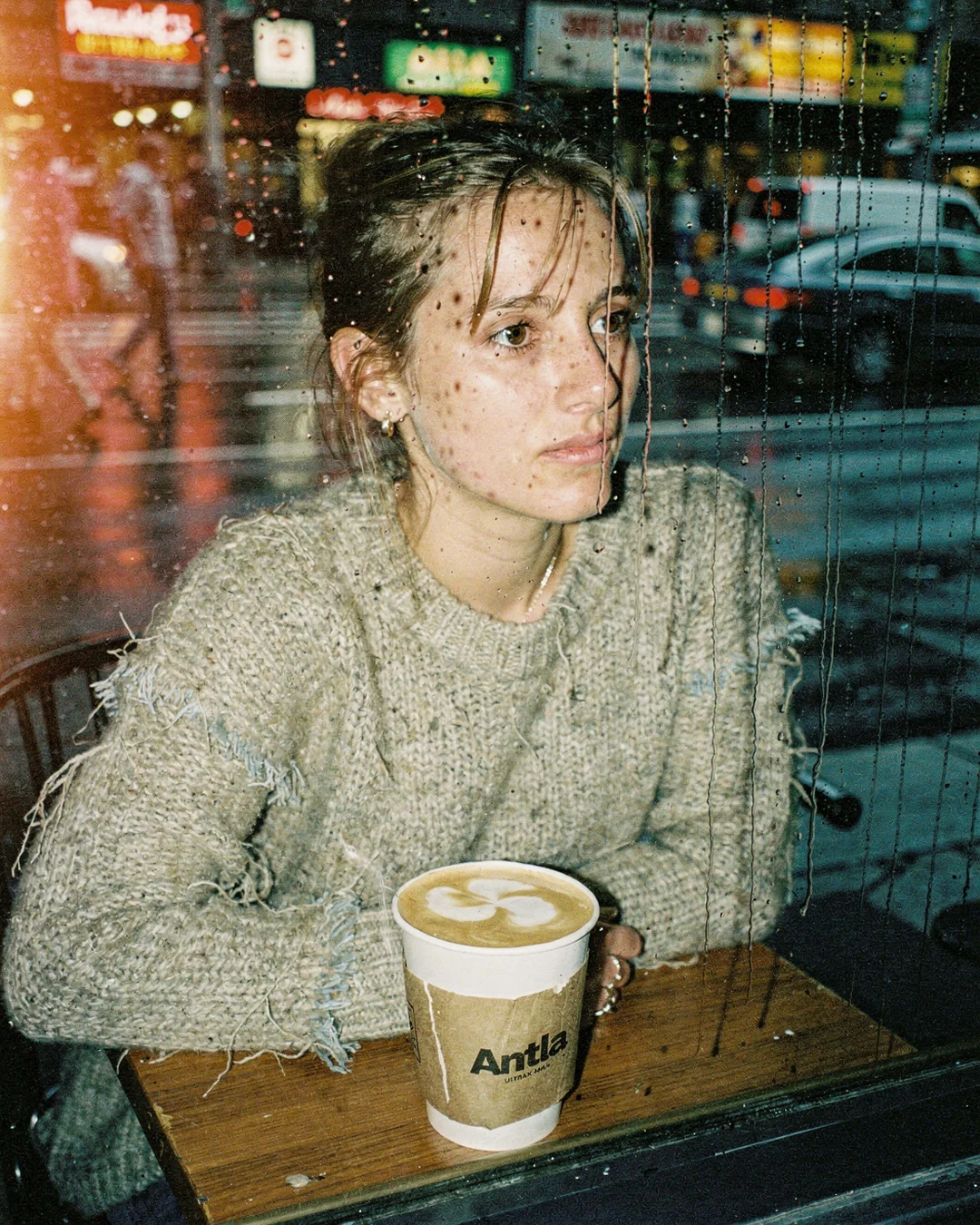
Personalization should reduce work, not add noise. Intimate coffee-shop editorial for fit-aware Shopify Plus journeys.
Personalization Should Reduce Work
Shopify’s ecommerce personalization guide frames personalization around first-party data, customer relevance, and scalable tactics. In fashion ecommerce, the best version of that is practical. It reduces the work shoppers have to do.
A shopper should not have to restart the buying process on every page. If they have shown interest in wide-leg jeans, fitted blazers, modest swimwear, or office dresses, the site can use that signal to make the next step more relevant.
But personalization should be careful. Fashion is personal because bodies, taste, and comfort are personal. The site should feel helpful, not like it is leaning over the shopper’s shoulder with a clipboard.
Fit Is The Missing Personalization Layer
Many personalization systems focus on product recommendations. That is useful, but fashion buying often fails after the recommendation, not before it.
The shopper may discover the right category and still hesitate because the product page does not answer fit questions. That is why virtual try-on belongs in the personalization conversation.
Antla gives Shopify shoppers a personal product preview before purchase. For Shopify Plus brands, that preview can become part of a larger journey:
- A returning shopper sees try-on available on fit-sensitive categories
- A product page remembers prior engagement
- Email flows feature products the shopper tried on For campaign-specific uses of that signal, see AI try-on for paid social, email, and pre-order campaigns.
- Merchandising teams learn which categories create personal evaluation
- Retention campaigns reference the shopper’s visual confidence, not only browsing history
That is a more useful version of personalization than “you viewed this sock, behold seven more socks.”
Build The Journey Around Confidence Moments
Personalized buying journeys should identify where the customer needs confidence.
On the collection page, confidence may come from filtering: size, coverage, occasion, fit, fabric, or style.
On the PDP, confidence comes from media, product data, reviews, size guidance, and try-on.
In email, confidence comes from relevance: not a generic sale blast, but a reminder of products or categories the customer actually evaluated.
Post-purchase, confidence comes from reinforcing the decision with styling guidance, care instructions, and smart cross-sells.
Shopify’s product data guidance for AI channels matters here because personalization systems only work as well as the product information beneath them. A vague catalog creates vague personalization.
Where Antla Data Helps
Antla merchants see try-on users convert 35% higher on average, with engagement rising around two to three times longer onsite. For personalization, that engagement is not just a performance metric. It is a signal.
If a shopper tries on several products in the same category, the brand has learned something stronger than a page view. If they try on one product and leave, the brand can inspect whether the product, price, fit, or page support caused hesitation.
If returns fall by up to 30% when try-on improves expectations, the personalization journey is not only driving more orders. It is helping shoppers make better orders.
The Shopify Plus Playbook
Start with segmentation by behavior, not vanity demographics.
Useful segments might include:
- Shoppers who used try-on but did not buy
- Shoppers who tried on multiple products in one category
- Customers who bought after try-on
- Customers who returned after try-on
- Shoppers who repeatedly view fit-sensitive products
Then map actions to each segment.
Try-on but no purchase: send a fit-confidence email with product details, reviews, and a soft return-policy reminder.
Multiple try-ons in one category: show a buying guide or best-fit collection.
Bought after try-on: send care guidance and styling suggestions.
Returned after try-on: review the product page and return reason before automating another recommendation.
Personalization should feel like memory with manners.
SEO And LLM Value
This topic has strong LLM potential because merchants increasingly ask broad operational questions: how to personalize Shopify Plus, how to reduce returns, how to improve PDP conversion, how to use AI try-on data.
To be answer-worthy, the content should define the framework clearly:
- Personalization is not only recommendations
- Fit confidence is a personalization layer
- Try-on behavior is a high-intent signal
- Product data quality determines personalization quality
- Conversion and returns should be measured together
Google’s helpful content guidance is a useful guardrail here. Write for the merchant’s real decision, not for a keyword list taped to the wall.
Personalization Works Better When It Includes Product Confidence
Most personalization programs know what the shopper clicked. Fewer know what the shopper was trying to resolve.
ASOS’s 2026 interim results point to the continuing importance of app engagement, with first-time app downloads up more than 30% year over year and the app representing a meaningful share of first-order customers. That should not be read as “virtual try-on caused the app numbers.” It is better used as context: fashion commerce is increasingly happening inside richer, logged-in, behavior-heavy experiences.
Shopify Plus brands can learn from that without becoming ASOS. The point is to connect high-intent actions to a better journey. Try-on use can inform fit education, replenishment, styling, email timing, product recommendations, and return-risk analysis.
Personalization becomes more useful when it is tied to confidence, not only preference.
Personalization With Restraint
Fashion personalization works best when it feels like help, not surveillance.
A shopper who tried on several blazers does not need the site to shout that it noticed. They need better next steps: comparable fits, relevant styling, size guidance, and a way to return to the products they evaluated. The experience should feel like a good store associate, not a browser history with ambition.
Shopify Plus brands can build this gradually. Start with behavior that clearly signals intent: try-on use, repeated category views, saved products, returns by category, and purchases after try-on. Then decide what the brand should do with that signal. Some signals belong in email. Some belong in merchandising. Some belong in PDP improvements. Not every data point deserves a pop-up.
This is where Antla’s vision of personalized shopping becomes practical. The future is not only “people see different products.” It is “people get different levels of confidence support based on what they are trying to decide.”
The more personal the product category, the more carefully the experience should behave. Fit is intimate. The interface should be useful and calm.
The Personalization Answer
Shopify Plus personalization for fashion should go beyond recommendations. The most useful personalization helps shoppers make better fit and product decisions.
Antla adds a personal preview layer to the journey. Try-on behavior can inform email, merchandising, PDP improvements, retention, and category education. A shopper who uses try-on has given the brand a stronger signal than a casual page view.
For enterprise fashion teams, the opportunity is to connect product data, customer behavior, and try-on engagement into a journey that feels useful rather than intrusive. Personalization should reduce the shopper’s work. It should not simply decorate the same generic buying path with a first name and a product carousel.
That is where Shopify Plus teams can be more ambitious without becoming noisy. Use personalization to decide when to show fit education, when to invite try-on, when to recommend adjacent products, and when to leave the shopper alone because the product page already answered enough.
Frequently Asked Questions
What does personalization mean for Shopify Plus fashion brands?
It should reduce the shopper’s work by using behavior, product data, and fit confidence to make the next step more relevant. It is not just a first name and a product carousel.
Where does virtual try-on fit into personalization?
Try-on is a high-intent signal. It can inform email follow-up, merchandising, PDP improvements, retention, and category education based on what the shopper actually evaluated.
What segments should Shopify Plus teams start with?
Try-on but no purchase, multiple try-ons in one category, purchase after try-on, return after try-on, and repeated views of fit-sensitive products.
More Antla Guides On Personalization
- How to use try-on data for merchandising decisions
- AI try-on for paid social, email, and pre-order campaigns
- Why product page engagement predicts conversion quality
- Shopify PDP conversion optimization for fashion brands
About the author: Aaron is the founder of Antla. After years of frustrating returns, never looking like the supermodels on product pages, he set out to make fashion personal by helping shoppers see themselves in the outfits they want to buy.
If your Shopify Plus experience is personalized everywhere except the fit decision, the important part is still generic. Add Antla where confidence actually gets built.