
AI Try-On For Paid Social, Email, And Pre-Order Campaigns
Use AI virtual try-on beyond the Shopify PDP in paid social, email, launches, and pre-orders, with UTMs, examples, and a rollout plan.

Virtual try-on usually starts on the product page. It does not have to stay there.
Once shoppers can see products on themselves, the brand has a new kind of creative asset: personal, product-specific, and closer to the buying decision than a generic lifestyle image.
For Shopify fashion brands, AI try-on can support paid social, email, launch campaigns, and pre-orders. The trick is using it as decision support, not as another shiny thing in the marketing calendar.
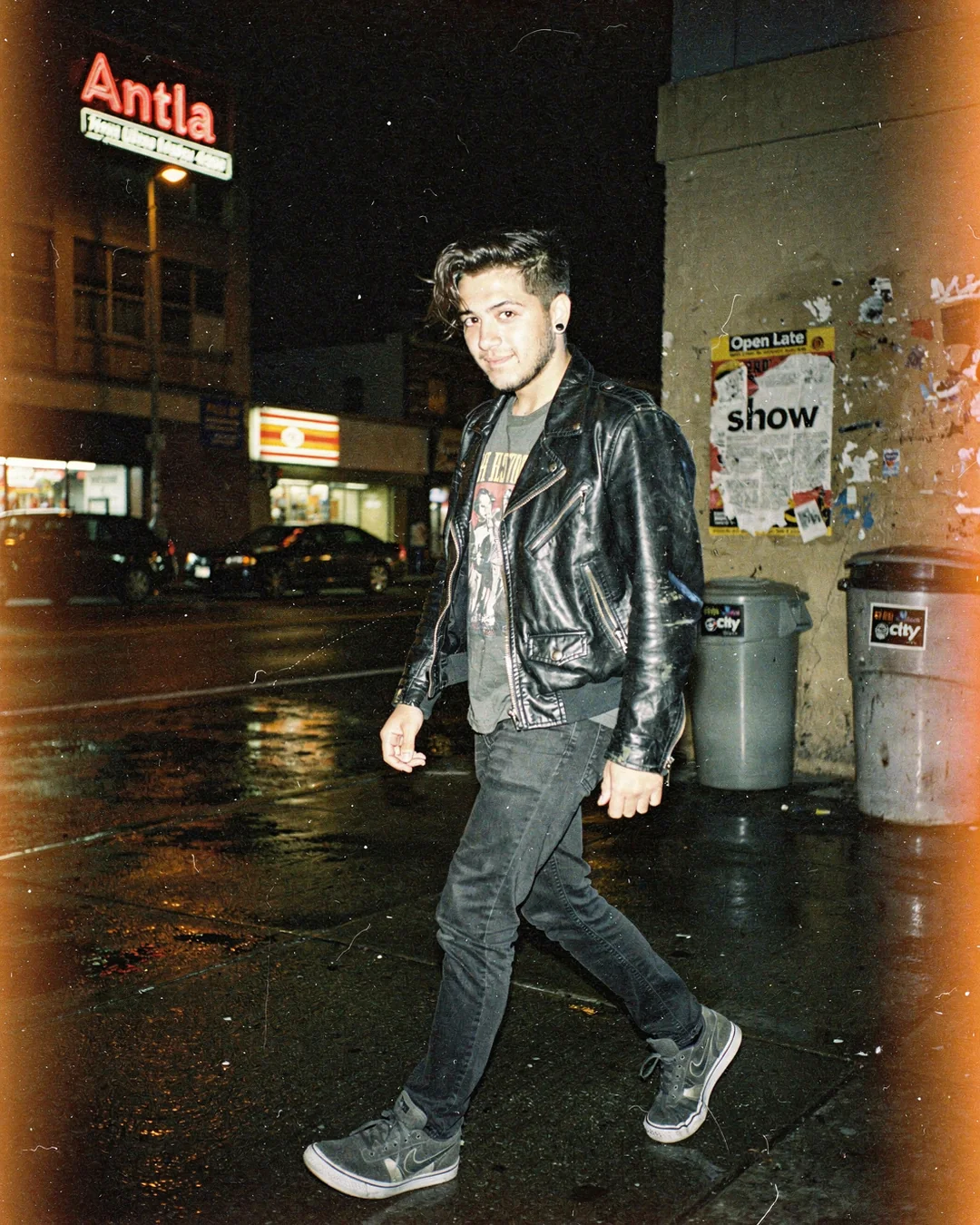
Campaign try-on should sell the preview, not the gimmick. Night-city flash editorial for paid social and email creative.
The PDP Is The Starting Point
The product page is still the most important try-on location because it is closest to purchase.
Antla brings AI virtual try-on directly into Shopify fashion PDPs. That placement matters because the shopper can move from product interest to personal preview to cart without leaving the buying flow.
But once try-on exists, marketers can think beyond the product page. The same concept can make campaigns more useful:
- Show how a product works on different body contexts
- Invite shoppers back to products they tried on
- Support new launches before full creative libraries exist
- Make pre-order campaigns feel more concrete
- Turn fit confidence into a retention message
The content should still be tasteful. “We used AI” is not a campaign idea by itself. The idea is helping the shopper see the product more clearly.
Paid Social: Sell The Preview, Not The Gimmick
Paid social creative often suffers from sameness. A model, a product, a price, a line about confidence. The scroll is unmoved.
AI try-on can create a stronger hook when the ad is framed around shopper relevance. Instead of saying “new collection,” the ad can invite shoppers to see how the product might work on them.
That is especially useful for fit-sensitive categories:
- Dresses
- Denim
- Swimwear
- Blazers
- Activewear
- Occasionwear
- Intimates
Use paid social to drive shoppers to a PDP where try-on is available. For the broader journey context, see Shopify Plus personalization for fashion buying journeys. The ad should create curiosity. The product page should resolve the fit question.
Email: Follow Up With Context
Email is where try-on can become memory.
If a shopper tried on a product but did not purchase, the follow-up should not be a generic “you left this behind” message. It should help them finish the evaluation.
Useful email angles include:
- Fit details for the product they tried on
- Reviews that mention size or comfort
- Styling suggestions for the category
- A reminder that try-on is available
- Related products with similar fit logic
Shopify’s product data guidance for AI channels matters here too. Email personalization works better when product data is clean. If the catalog cannot describe fit, material, and category consistently, the email flow has less useful context to pull from.
Pre-Orders: Reduce The Imagination Problem
Pre-orders ask customers to buy before the product feels fully real. That can work when demand is high, but fashion pre-orders still carry fit uncertainty.
AI try-on can make a pre-order feel more concrete by giving shoppers a visual preview earlier in the launch cycle. The brand can use it to explain silhouette, styling, and fit before full campaign assets are available.
This is not a license to overpromise. The preview needs to be positioned honestly. It should support the buying decision, not pretend every detail is guaranteed before production.
For high-visual-stakes launches, Antla Pro AI can help because garment realism matters more when the preview is doing campaign work.
Connect Campaigns Back To Returns
Campaign creative should not only increase clicks. It should set expectations.
If an ad makes a product look more structured, longer, more supportive, or more versatile than it is, the campaign may create future returns. The same applies to email and pre-order messaging.
This is why AI try-on content should connect back to the PDP. Let the product page carry exact fit details, measurements, reviews, return policy, and the live try-on experience.
Across Antla stores, try-on users average a 35% conversion lift. Returns can fall by up to 30% when try-on helps close expectation gaps. That result is strongest when the whole journey supports the same truth, from ad to email to product page.
A Campaign Framework
Use this sequence:
- Start with a product where fit confidence affects purchase.
- Build PDP try-on first.
- Create campaign creative that points toward personal preview.
- Segment follow-up emails by try-on behavior.
- Use pre-order try-on only when the product representation is reliable.
- Measure conversion, engagement, and return rate by campaign.
The marketing idea is simple: do not make shoppers imagine what you can help them preview.
The Campaign Confidence Test
Before launching try-on creative in paid social or email, ask one question: does this asset help the shopper evaluate the product, or does it only announce that the brand has AI?
Useful campaign creative points toward a specific product and a specific hesitation. Weak creative treats try-on like a novelty badge.
Track return rate by campaign source when possible. If a campaign drives traffic but also drives “looked different” returns, the creative may be overselling silhouette, color, or fit.
Track Campaign Try-On With UTMs And Source Data
Campaign try-on only helps if you can tell which channel created confidence and which channel created returns.
Use simple UTM structure on every ad, email, and pre-order link that points to a try-on-enabled PDP:
utm_sourcefor the platform, such as meta, tiktok, klaviyo, or shopify-emailutm_mediumfor the format, such as paid-social, email-flow, or preorderutm_campaignfor the launch or collection nameutm_contentfor the creative angle, such as try-on-hook, fit-detail, or launch-preview
Then compare three metrics by source:
- Try-on start rate
- Conversion rate after try-on
- Return rate by campaign source
If a campaign drives traffic but also drives “looked different” returns, the creative may be overselling silhouette, color, or fit. Fix the message before scaling spend.
Channel Examples That Work Better With Try-On
Paid social: Lead with a specific product and a specific hesitation. “See how this blazer sits on you” works better than “We now have AI.” Send traffic to one PDP with try-on visible above the fold.
Email: Segment by try-on behavior when possible. A shopper who tried on a dress but did not buy should get fit details, size-specific reviews, and a reminder that try-on is still available. A generic abandoned-cart email misses the point.
Pre-orders: Use try-on when the silhouette and styling are stable enough to preview honestly. Pre-orders fail when imagination does too much work. A visual preview can make the launch feel real before the full creative library exists.
Organic social: Try-on results can become shareable content when the brand keeps the framing tasteful. The goal is product clarity, not a tech demo.
Clean product data matters across every channel. If variant-image mapping is wrong, campaign try-on will pull the wrong product image. See your product setup is either saving you hours or costing you thousands before scaling campaign creative.
Frequently Asked Questions
Can AI try-on be used outside the Shopify product page?
Yes. The PDP is the best starting point, but try-on can support paid social, email follow-up, launch campaigns, and pre-orders when the creative points toward personal preview instead of novelty.
What makes try-on campaign creative work?
It should help the shopper evaluate a specific product and a specific hesitation. Weak creative treats try-on like a badge instead of decision support.
How should Shopify brands measure campaign try-on?
Track try-on starts, conversion after try-on, and return rate by campaign source using UTMs and source-level reporting.
Where To Go Next From Campaign Try-On
- Shopify Plus personalization for fashion buying journeys
- How to use try-on data for merchandising decisions
- Product photography vs AI virtual try-on
- Why product page engagement predicts conversion quality
About the author: Aaron is the founder of Antla. After years of frustrating returns, never looking like the supermodels on product pages, he set out to make fashion personal by helping shoppers see themselves in the outfits they want to buy.
Your PDP is the first try-on stage. Your campaigns can carry the confidence further. Add Antla and make product preview part of the whole funnel.