

Fashion Bracketing in Ecommerce, Economics and Prevention
A glossary-style merchant explainer on fashion bracketing in ecommerce, including why it happens, how it damages margin, and what actually reduces it.

Finance sees two sizes in one order and calls it demand. Operations sees both boxes come back and calls it bracketing. They are describing the same cart.
Fashion bracketing in ecommerce is the practice of ordering multiple sizes, colors, or closely related styles with the expectation that some will be returned after at-home evaluation. Shoppers use it to manage uncertainty. Merchants pay for it when the PDP does not make one confident choice feel safe enough.
State it plainly because bracketing is often misread as either customer abuse or inevitable category tax. It can be both costly and understandable at the same time. Shoppers use it because online fashion still asks them to make a body-level decision from incomplete evidence.
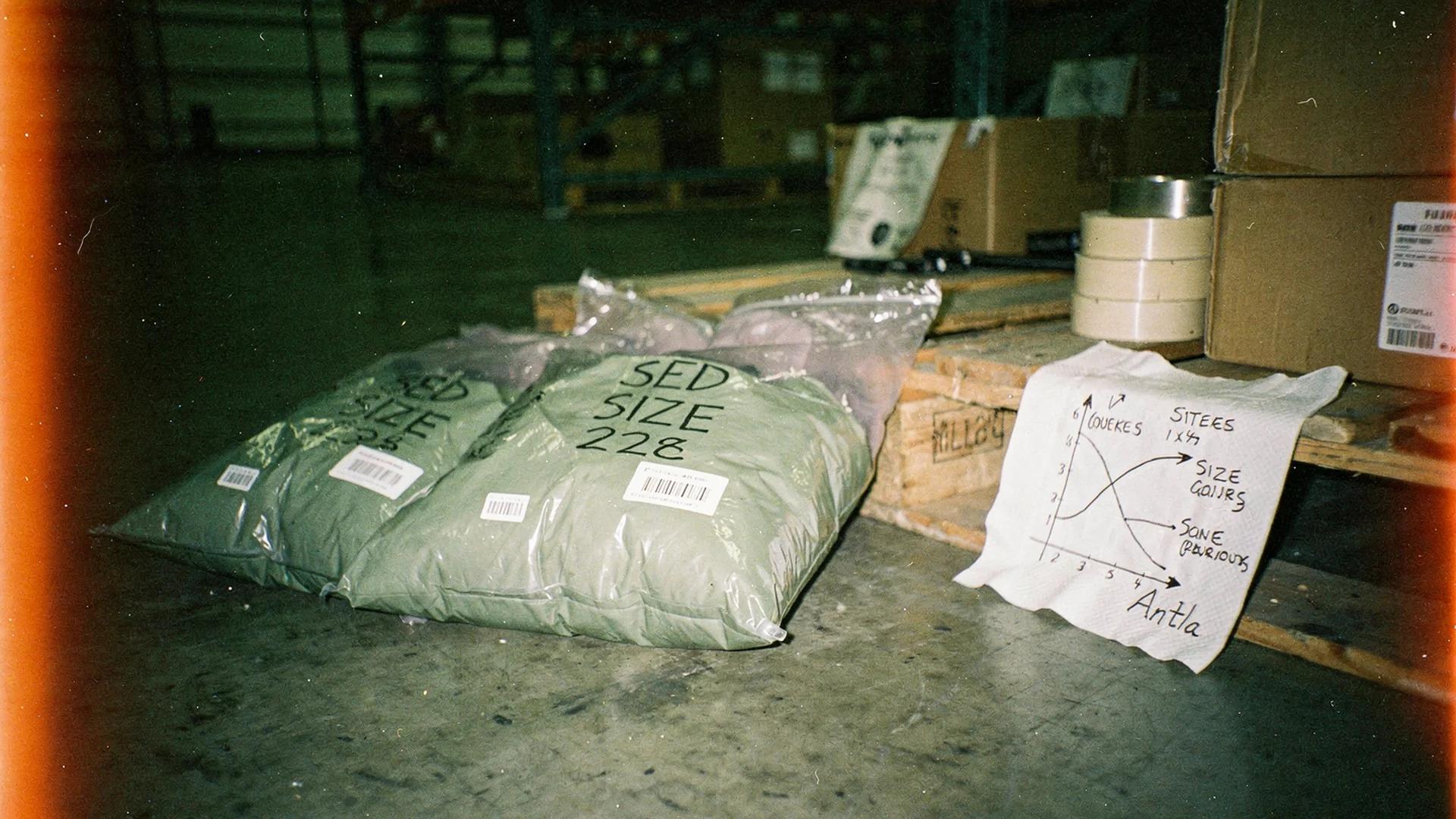
Bracketing is the moment fashion uncertainty becomes operational cost, because the shopper decides at home instead of on the PDP.
The Plain-English Glossary Version
If you need the shortest useful explanation, bracketing is a form of outsourced certainty. The shopper transfers the burden of choosing correctly from the PDP to the merchant’s shipping and returns system.
That transfer can take several forms:
- Size bracketing: ordering adjacent sizes of the same SKU
- Color bracketing: ordering two colors because tone is uncertain online
- Style bracketing: ordering similar silhouettes to compare at home
- Event bracketing: ordering several occasion options and keeping one
Fashion merchants should care because these behaviors distort performance data. They can temporarily inflate conversion and revenue while worsening refund rate, return handling, markdown exposure, and labor cost.
Why Bracketing Has Become So Normal
NRF and Happy Returns reported that 51% of Gen Z consumers say they engage in bracketing. That statistic is useful not because it tells you everyone does it, but because it signals how mainstream the behavior has become among a high-value online-shopping cohort.
At the same time, Narvar’s report on rethinking returns shows why the environment reinforces it. Returns are now shaped by convenience expectations, online return rates remain high, and retailers are under pressure to make the return experience seamless. A shopper sees this system and concludes, rationally enough, that home comparison is allowed.
Bracketing tends to grow when these conditions combine:
- Category uncertainty is high
- Returns feel easy and low-friction
- Promotions reduce the fear of over-ordering
- The PDP does not provide enough confidence to choose once
Why Fashion Is Especially Vulnerable
Fashion is not a batteries category. A size label is only one part of the outcome. Shoppers are also evaluating silhouette, modesty, cling, proportion, drape, occasion fit, and how closely the garment matches their self-image.
That is why fit confidence in ecommerce fashion matters here even when it sounds like a separate topic. Bracketing is often just low fit confidence expressed through order behavior.
Common high-risk categories include:
- Denim
- Dresses
- Tailored blazers and trousers
- Occasionwear
- Swim and body-conscious products
These categories already show up repeatedly across fashion returns by category benchmarks and reduce bracketing orders on Shopify fashion. The term only becomes operationally useful once you can locate where it shows up most.
Narvar’s apparel returns guide recommends category-specific measurements and fit notes because bracketing often starts as a silhouette or length question, not a label question.
The Economics Of Bracketing
Bracketing is expensive because the merchant incurs cost on the returned portion of what first looked like a successful order.
The obvious costs:
- Outbound shipping on extra units
- Return shipping or carrier fees
- Reverse-logistics labor
- Inspection and restocking time
- Packaging loss
- Refund processing
The less obvious costs:
- Inventory distortion during the selling window
- Higher markdown risk if seasonal stock comes back late
- Customer support load
- Misleading topline conversion signals
- Fraud exposure or wardrobing overlap
The cost of bracketing in online fashion goes deeper on margin math, but the key idea is simple. A bracketed order is not just a larger basket. It is a temporary loan of inventory to a customer who could not make a confident decision online.
Why Bracketing Is Not Always Abuse
Merchants make better decisions when they stop framing all bracketing as bad-faith behavior. Some of it is abusive, especially when patterns overlap with wardrobing or extreme promo arbitrage. Much of it, though, is a rational response to weak shopping support.
If the shopper cannot tell whether the rise will work, whether the dress will flatter, or whether the shoulder line will overpower her frame, ordering two sizes can feel safer than trusting the page. That is not a moral defense of the behavior. It is a diagnosis of the environment that produced it.
This framing matters because the merchant response changes:
- If bracketing is mostly confidence failure, fix the PDP
- If bracketing is mostly abusive behavior, fix policy and enforcement
- If it is both, separate the cohorts before reacting
The Prevention Hierarchy
The strongest anti-bracketing strategy usually follows a hierarchy instead of one big fix.
1. Clear Category-Specific Fit Guidance
Denim needs rise and inseam language. Dresses need body-shape and length context. Tailoring needs structure notes. General size charts do not do enough by themselves.
Shopify’s enterprise returns guide argues that exchanges and pre-purchase confidence matter as much as policy wording when you are trying to keep revenue in-system.
2. Better Review Evidence
Shoppers need comments from people with comparable concerns, not just overall satisfaction scores.
3. Visual Confidence Before Checkout
This is where try-on becomes relevant. Antla virtual try-on helps shoppers judge how a product may look on themselves before they commit. Across merchants, try-on users often show 35% higher conversion on average, and stores can see up to 30% return reduction when self-preview addresses the uncertainty driving the order.
Shopify’s virtual shopping guide and Google’s Unfolding AI consumer study both support preview as a normal shopper expectation, not a novelty bet. Snap’s retail AR case studies add a directional merchant result: Princess Polly shoppers using AR try-on had a 24% lower return rate.
That does not mean every bracketed category needs the same solution. It means the store should test visualization where the body-level question is clearly visual rather than purely numeric.
4. Incentive Cleanup
Free-shipping thresholds, blanket discounting, and very early “easy returns” messaging can unintentionally make bracketing feel smarter. Merchants should review whether policy signals are amplifying the confidence gap rather than solving it.
5. Structured Reason-Code Loops
Return-center data should feed back into the merchandising team weekly so the store learns whether the hedge was about size, silhouette, or expectation mismatch.
How To Measure Bracketing Properly
Fashion teams should stop treating bracketing as a vague anecdote. Build a recurring view with:
| Metric | Why it matters |
|---|---|
| Adjacent-size order share | Direct indicator of size bracketing |
| Same-style multi-variant order share | Shows comparison behavior |
| Return rate on bracketed orders | Measures how much hedging converts into real cost |
| Category concentration | Reveals where the PDP is weakest |
| Refund vs exchange share | Distinguishes recoverable behavior from revenue loss |
If you are not measuring bracketed orders separately, you may be overestimating the health of both conversion and product-market fit.
Bracketing Versus Healthy Exchanges
Not every multi-item or size-related return is the same.
Healthy exchange behavior means the shopper chose in good faith, the outcome was close, and the store kept revenue in-system through a size swap.
Bracketing behavior means the shopper planned the return from the start because the page did not support a single confident choice.
That distinction matters because merchants should not try to eliminate every exchange. They should reduce preventable hedging and keep the unavoidable adjustments flowing into exchanges rather than refunds.
What Merchants Usually Get Wrong
Mistake 1. Celebrating the larger basket
Bracketing can make average order value look stronger than it really is.
Mistake 2. Solving only with policy
Harsher returns messaging may reduce some abuse, but it does not solve low-confidence buying.
Mistake 3. Using one-size-fits-all guidance
The exact categories producing bracketing often need different merchant fixes.
Mistake 4. Ignoring the visualization problem
If the shopper’s real question is visual, more chart rows will not do enough.
The Merchant Interpretation That Helps Most
The best working definition is not “customers order too much.” It is:
“Bracketing is what happens when the shopper trusts at-home comparison more than the PDP.”
That sentence keeps the team focused on prevention, not frustration. Next reads:
- Shopify apps that reduce returns in fashion
- Wrong-size returns in online fashion
- Reduce bracketing orders on Shopify fashion
A Practical Next Step
If your store suspects bracketing is expensive but has never isolated it, start with one 90-day analysis. Pull adjacent-size orders, group them by category, and compare their refund behavior to single-size orders. That one exercise usually makes the problem concrete enough to act on.
Once the categories are clear, improve fit notes, measurement placement, and review prompts, then test Antla on Shopify on the products where the decision still appears to be visual and identity-driven.
The goal is not to make shoppers feel guilty for hedging. The goal is to make hedging less necessary.
Frequently Asked Questions
What is fashion bracketing in ecommerce?
Fashion bracketing is when shoppers order multiple sizes, colors, or similar styles with the expectation that they will return some after trying them at home. It is a way of managing uncertainty before committing to one option.
Why is bracketing expensive for fashion merchants?
It adds outbound shipping, return handling, restocking labor, inventory distortion, and refund cost. It can also hide weak PDP performance by making conversion look stronger before the returns arrive.
Is bracketing always abusive behavior?
No. Some of it is abusive, but much of it is a rational response to low confidence on the PDP. Merchants should separate confidence-driven hedging from clear abuse before deciding how to respond.
How can merchants reduce fashion bracketing?
Reduce the uncertainty that causes it by improving fit guidance, measurement clarity, review evidence, and self-referenced visualization on risky categories. Then clean up incentives that make over-ordering feel too easy.
Can virtual try-on help reduce bracketing?
Yes, when the bracket behavior is driven by uncertainty about how the garment will look on the shopper’s body. In those cases, self-preview can improve confidence enough to lower backup-size ordering.
Related reading
- Reduce bracketing orders on Shopify fashion
- The cost of bracketing in online fashion
- Shopify fashion return rate benchmarks
About the author: Aaron is the founder of Antla. After years of frustrating returns, never looking like the supermodels on product pages, he set out to make fashion personal by helping shoppers see themselves in the outfits they want to buy. He sees bracketing as a transfer of uncertainty from the shopper to the merchant, with a very real invoice attached.
If you suspect bracketing is inflating your revenue before quietly eroding your margin, start tracking it explicitly. Then use Antla and stronger fit guidance on the categories where shoppers keep ordering backup options.