

Fashion Return Rates by Category for Shopify Brands
Fashion return rate benchmarks by category for Shopify merchants. Compare denim, dresses, swimwear, and outerwear and map returns to fit playbooks.

Fashion return rate benchmarks by category help Shopify merchants answer two questions at once: Is my pain normal? and Where should we invest first?
Industry averages are noisy. DTC brands, marketplace sellers, and luxury labels sit in different bands. Still, public data and recurring merchant patterns show which categories suffer most from fit expectation gaps, and those categories map cleanly to fit-problem playbooks rather than hundreds of garment-specific stat pages.
This guide consolidates benchmarks in one place and routes each category family to the right lane: silhouette, rise and length, coverage, or structure.
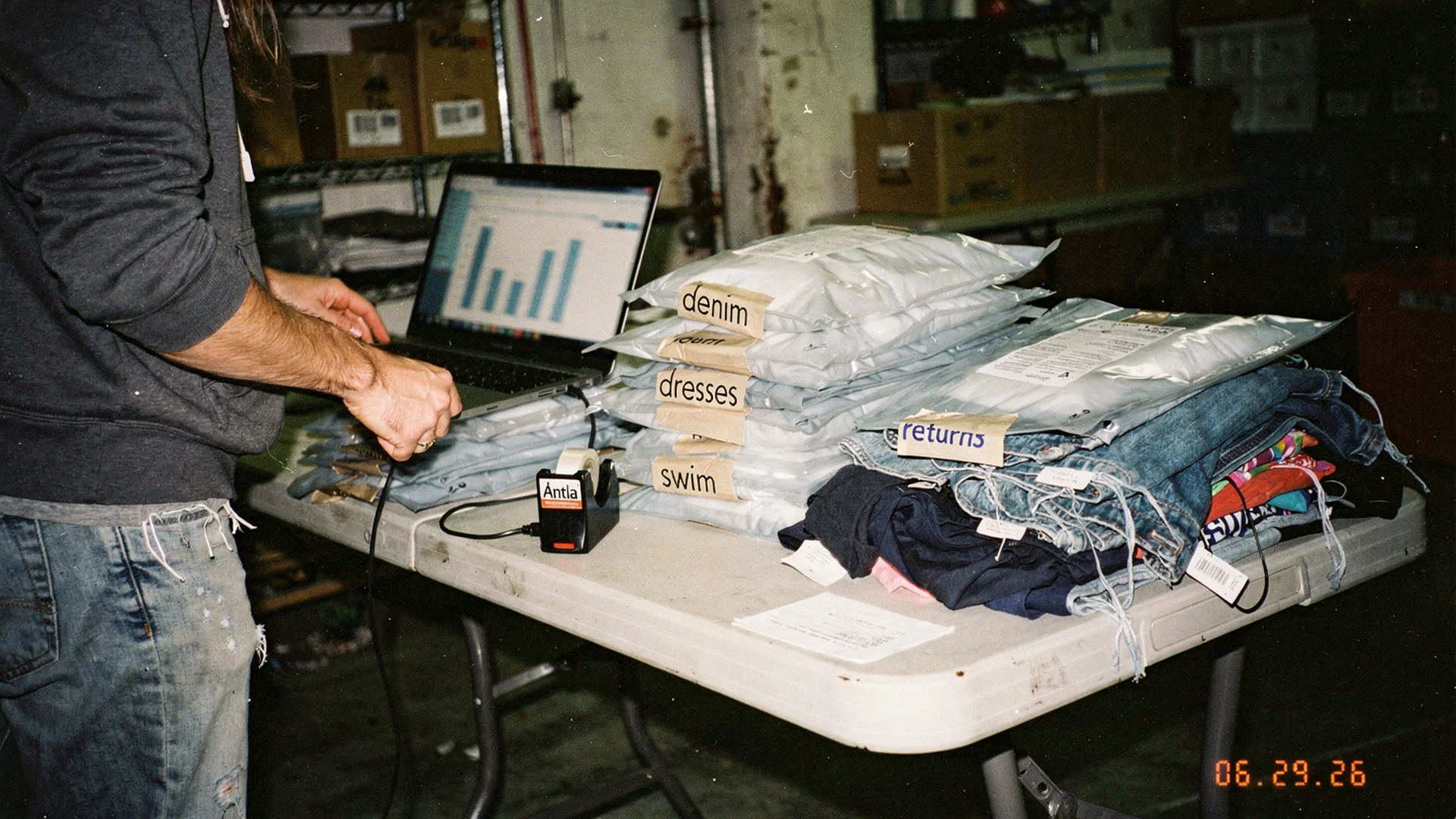
Benchmarks inform lane prioritization, not vanity metrics.
How To Use Benchmarks Without Foolish Panic
Benchmarks are directional, not quotas. A “high” category return rate may be fine if LTV and repeat rate compensate. A “low” rate may hide heavy discounting.
Use benchmarks to:
- Compare your tagged reasons to typical category patterns
- Justify try-on budget on high-fit-variance lanes first
- Set realistic 90-day improvement targets
- Align finance, ops, and merchandising on one narrative
Do not use benchmarks to spin up near-duplicate SEO pages per garment with the same three stats. That strategy fails Google helpful content standards and merchant trust.
Industry Context
NRF and Happy Returns reported $890 billion in 2024 U.S. retail returns. Apparel over-indexes because fit, bracketing, and expectation mismatch remain structural.
Shopify’s enterprise returns overview notes operational cost beyond refund value: processing, depreciation, and lost resale margin. The cost of bracketing in online fashion shows how multi-unit orders inflate apparent revenue before returns reverse it.
Benchmark Table By Category Family
Treat ranges as planning bands, not promises. Your mix, price point, and customer segment shift results.
| Category family | Typical return rate band | Dominant fit physics | Playbook |
|---|---|---|---|
| Denim and bottoms | High | Rise, inseam, leg line | Rise and length guide |
| Dresses and jumpsuits | High | Silhouette, length | Silhouette guide |
| Swimwear and bodysuits | Very high | Coverage, transparency | Coverage guide |
| Blazers and outerwear | Medium-high | Shoulder, structure | Structure guide |
| Knit tops | Medium | Silhouette, drape | Silhouette guide |
| Accessories | Lower | Low fit variance | Deprioritize try-on initially |
Bands vary by source and methodology. Update internal targets from your Shopify returns export monthly, not from blog tables alone.
Map Your Export To Fit Physics
Export returns with reason tags and SKU category. Bucket into:
- Silhouette / flattering / shape
- Rise / length / hem / inseam
- Coverage / sheer / modesty
- Shoulder / structure / boxy
- Other (color, shipping damage, changed mind)
If “changed mind” dominates, fix acquisition targeting before try-on. If fit physics buckets dominate, open the linked playbook for the largest margin leak.
The category prioritization hub in this cluster turns those buckets into rollout tiers.
What Good Improvement Looks Like
Merchants who reduce fit-driven returns combine:
- Clearer garment measurements on PDPs
- Photography that shows real drape and coverage
- Try-on on hero SKUs in the worst bucket
- Post-purchase size guidance only where it helps, not as a band-aid
Virtual try-on reduces returns before checkout targets prevention. Fashion returns reduction strategy on Shopify covers the full program.
Antla Merchant Outcomes By Category Pattern
Antla customers most often start try-on where benchmarks and their own tags agree: denim, dresses, swim, and blazers. Reported patterns include:
- 35% average conversion lift among try-on users vs non-users on targeted PDPs
- 2-3x engagement on high-anxiety categories during evaluation
- Up to 30% reduction in fit-expectation returns when try-on addresses the dominant lane objection
Some women’s hero SKUs see conversion double when preview resolves the primary blocker. Results vary by photography quality and whether size charts list garment dimensions.
Antla is Shopify-only with no-code selective rollout, 5 stars from 80+ reviews, and 100+ fashion merchants. Evaluate economics via the cluster 05 pricing ROI guide before expanding SKU count.
Finance And Ops Conversation Starters
Use benchmarks to align teams on margin, not vanity metrics:
- Finance: Model margin lost per return reason tag, not only return rate percent
- Ops: Compare receive volume by category against try-on-enabled SKUs weekly
- Merchandising: Reduce buy depth on SKUs with chronic structure or coverage complaints
- Marketing: Pause scaling ads to PDPs with known fit gaps until preview is live
- Customer service: Tag tickets by fit physics lane so product teams see patterns
Launch-stage brands should pair this with first 90 days fashion store metrics so benchmarks fit your maturity stage.
When To Add A New Category Page
Default: fold new garment keywords into the closest fit physics playbook.
Only publish a new URL when GSC shows sustained unique demand, the objection is not covered by an existing lane, and you add proprietary Antla or merchant data. Otherwise update an H3 or FAQ inside the relevant guide.
90-Day Measurement Template
Days 1-30: Baseline return tags by category and fit bucket
Days 31-60: Enable try-on on 5-10 heroes in top bucket
Days 61-90: Compare try-on cohort conversion and fit-tag returns
Document in the same dashboard as try-on data for merchandising decisions.
Reporting Cadence For Leadership
Share a one-page monthly view: return rate by category family, top three reason tags, try-on engagement on enabled SKUs, and conversion delta for try-on users. Leadership does not need garment-level noise. They need to see whether the lane you chose is moving margin.
When a lane flatlines after 60 days, diagnose photography and copy before blaming the tool. Benchmarks tell you where pain is common. Your tags tell you whether you picked the right lane for your catalog.
Frequently Asked Questions
What is the average fashion return rate by category?
Rates vary by brand and channel, but denim, dresses, and swimwear typically sit in higher bands than accessories because fit expectation gaps are larger. Use your Shopify export plus industry reports for planning, not a single universal number.
Which categories should Shopify merchants fix first?
Fix the category with the highest margin-weighted return volume in a clear fit physics bucket: silhouette, rise and length, coverage, or structure. Benchmarks help validate priority; your tags should decide.
Should I publish separate return stat pages for every garment type?
No. One benchmarks hub plus fit-problem playbooks beats dozens of thin pages with the same statistics. Add URLs only for unique demand and proprietary insight.
How does virtual try-on change category return rates?
When try-on targets the dominant fit objection on hero SKUs, merchants report lower fit-expectation returns and higher try-on user conversion. Measure by cohort and reason tag, not storewide averages alone.
About the author: Aaron is the founder of Antla. After years of frustrating returns, never looking like the supermodels on product pages, he set out to make fashion personal by helping shoppers see themselves in the outfits they want to buy. He consolidated category benchmarks here so teams stop cloning the same stat pages.
Use benchmarks to pick your first try-on lane, then open the category prioritization hub.