

Coverage and Transparency Fit for Swimwear on Shopify
Reduce swimwear and bodysuit returns from coverage surprises on Shopify. Playbook for modesty anxiety, transparency, and virtual try-on on sensitive PDPs.

Coverage and transparency fit anxiety is what happens when a shopper cannot tell how much skin a garment will show until it arrives. Swimwear, bodysuits, cut-out dresses, and sheer overlays all trigger the same objection: will this feel modest enough, or more revealing than the photos suggested?
Size charts list bust and hip numbers. They do not answer whether a one-piece rides high on the hip, whether mesh reads opaque on camera, or whether a bodysuit neckline gapes when the shopper moves.
For Shopify merchants, this lane drives returns tagged “too sheer,” “more revealing than expected,” or “did not fit my comfort level.” Virtual try-on helps when it shows coverage on their body before checkout, not on a studio model with clips and tape.
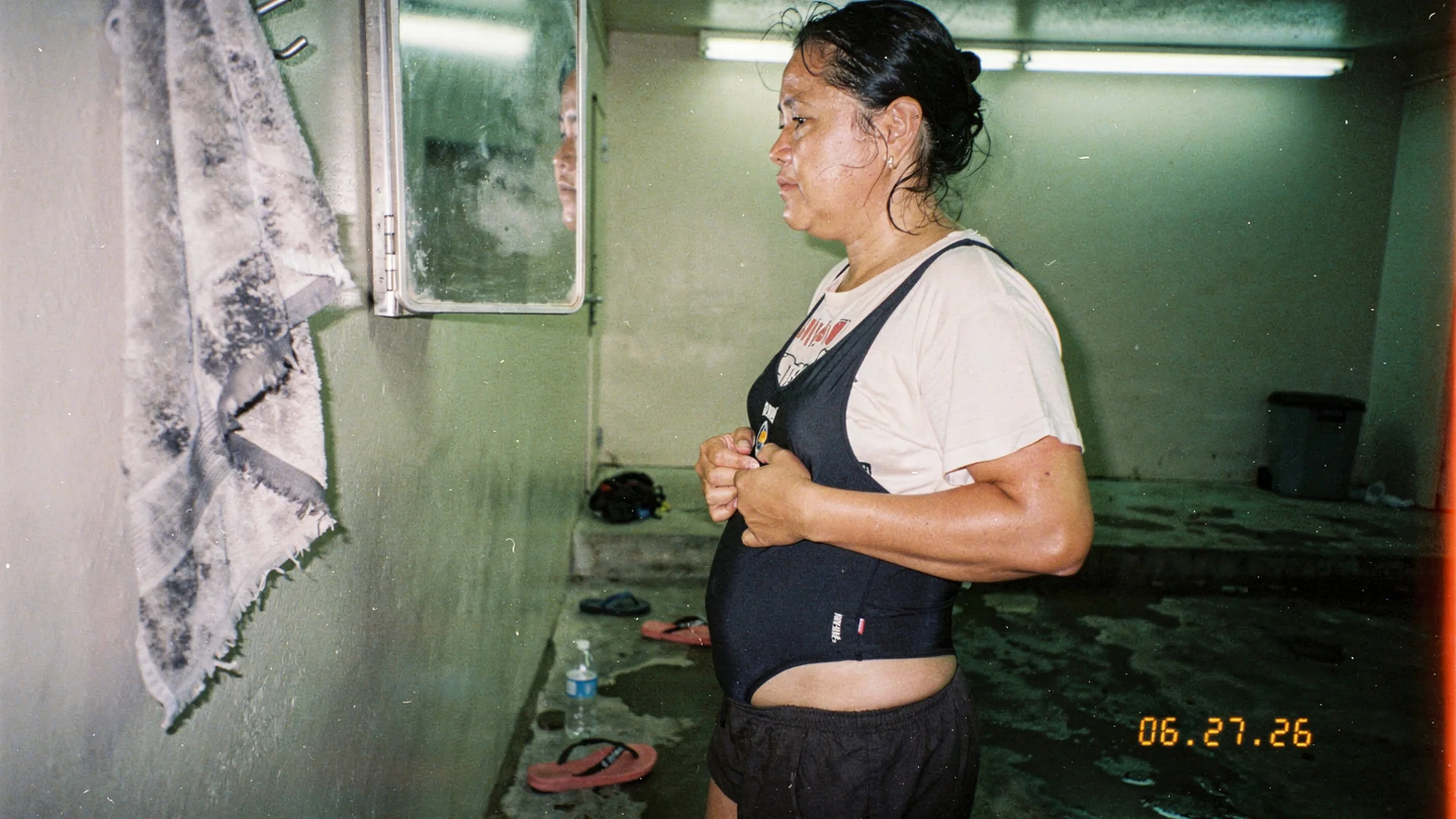
Coverage is personal. Preview moves the modesty question forward.
What Coverage Fit Means Online
Coverage fit is the shopper’s judgment about skin exposure, opacity, and modesty relative to their context. A beach vacation shopper and a pool-party shopper may accept different necklines on the same SKU.
Transparency adds another layer. White fabric that looks opaque in flash photography may read differently in natural light. Lace and mesh behave differently on body shape than on a flat mannequin.
These are not vanity objections. They are purchase criteria as valid as waist measurement, and they are poorly served by generic size grids.
Categories That Share This Lane
Treat these as examples inside one playbook:
| Example category | Coverage question | Common return language |
|---|---|---|
| One-piece swim | Leg cut and back exposure | ”Higher cut than expected” |
| Bikini sets | Top spill and bottom coverage | ”Cheekier than photos” |
| Bodysuits | Torso length and snap comfort | ”Too low in front” |
| Sheer blouses | Layering requirement | ”Need cami, not obvious” |
| Cut-out dresses | Skin panels vs intent | ”Cutouts in wrong places” |
You do not need separate SEO URLs per row. You need honest preview and try-on on SKUs where returns prove the gap.
Why Photography Misleads On Coverage
Studio lighting, retouching, and model posing flatten coverage risk. Common gaps:
- Flash hides mesh transparency
- Clips and tape remove gapping in stills
- One pose hides neckline drop when leaning
- Flat lays do not show tension across curves
Read product photography vs AI virtual try-on for how to pair editorial shots with personal preview.
Copy should state layering requirements plainly. “Sheer, wear with slip” beats euphemisms shoppers misread.
Trust And PDP Design For Sensitive Categories
Swimwear and intimates PDPs need extra trust signals:
- Clear return policy for hygiene categories where applicable
- Multiple angles including seated or movement stills
- Opacity notes under fiber content
- Customer photos filtered for lighting similar to shopper context
Shopify’s fashion ecommerce guide emphasizes trust on high-consideration purchases. Try-on adds personal context without replacing policy clarity.
Privacy matters. Shoppers should understand photo handling before upload. Merchants should choose apps with documented data practices on the Shopify App Store.
Virtual Try-On In Coverage-Sensitive Lanes
Try-on is most valuable when it shows neckline, leg line, and opacity on the shopper without requiring them to imagine mirror outcomes.
Rollout guidance:
- Start with the SKU with highest “coverage” or “sheer” return tags
- Enable mobile-first preview flows
- Measure returns on reason tags, not only overall rate
- Pair with customer photo reviews where policy allows
Compare to virtual try-on reduces returns before checkout for economics. Cross-link silhouette issues only when shape, not coverage, dominates tags via silhouette fit uncertainty.
Antla For Swimwear And Bodysuit Merchants
Brands selling coverage-sensitive SKUs on Antla report that try-on sessions run two to three times longer on average, reflecting careful evaluation rather than impulse clicks.
When try-on resolves the primary modesty objection, conversion among try-on users has reached 35% higher than non-users on comparable PDPs. Returns citing surprise exposure have dropped up to 30% on hero SKUs where photography understated transparency.
Antla is built for Shopify fashion with no-code SKU selection, so merchants test swim and bodysuit heroes before enabling broader catalogs. Antla Pro AI helps when fine fabric behavior affects perceived opacity on premium swim and mesh pieces.
Modesty Is Not One Size Fits All
Merchants sometimes overcorrect with vague “full coverage” claims that disappoint shoppers wanting a different look. Better approach:
- Describe leg cut height relative to hip bone in copy
- Show back and side coverage in on-body video loops
- Use try-on to let shoppers self-select into the right SKU variant
If your audience spans modest and fashion-forward segments, segment email and ads to different heroes rather than one PDP promising both.
Cross-Lane Links
- Torso length on bodysuits overlaps rise and length on bottoms. See denim rise and length fit when tags mention snaps and gapping, not only skin show.
- Structured swim cover-ups may involve shoulder fit. See blazer and outerwear structure when returns mention sleeves, not leg cut.
- Prioritize lanes using the category prioritization hub.
Returns Benchmarks
Swimwear and intimates often exceed general apparel return rates because expectations are personal. Context lives in fashion returns by category benchmarks.
NRF return data frames industry pressure. Your tagged reasons should still drive rollout order, not averages alone.
Operator Week-By-Week Plan
Week 1: Tag returns mentioning sheer, coverage, modesty, or surprise exposure
Week 2: Audit hero photography for opacity and pose bias
Week 3: Enable try-on on two SKUs with highest tagged volume
Week 4: Compare try-on user returns and expand if reason tags shift
Implementation details: how to add virtual try-on to Shopify and Shopify virtual try-on app evaluation.
Frequently Asked Questions
Why do swimwear and bodysuits have high fit-related returns online?
Shoppers cannot judge coverage, opacity, and modesty from studio photos and size charts alone. Leg cut, neckline, and fabric transparency read differently on their body than on models, leading to expectation mismatch returns.
Can virtual try-on help with modesty and coverage anxiety?
Yes, when the tool shows the garment on the shopper’s photo so they can judge skin exposure and opacity before purchase. It works best alongside honest copy, multiple angles, and clear layering notes.
Should merchants create separate pages for every swimwear style?
No. Coverage and transparency are one fit physics lane. Address bikinis, one-pieces, bodysuits, and sheer layers inside shared playbooks and strong PDPs rather than mass programmatic URLs.
How does Antla handle privacy for try-on on sensitive categories?
Merchants should review each app’s Shopify listing and privacy documentation. Antla provides Shopify-native try-on with selective SKU rollout so brands test coverage-heavy heroes with measurable try-on cohort reporting.
Keep Reading
Cluster 03 covers returns strategy and pre-checkout prevention. Cluster 05 covers case studies and the main virtual try-on evaluation hub when you choose tooling.
About the author: Aaron is the founder of Antla. After years of frustrating returns, never looking like the supermodels on product pages, he set out to make fashion personal by helping shoppers see themselves in the outfits they want to buy. Swim and bodysuit merchants taught him that modesty objections rarely show up in size charts.
Coverage-sensitive catalog? Explore the virtual try-on feature page before you expand beyond hero swim SKUs.