

Which Fashion Categories Need Virtual Try-On on Shopify?
Prioritize virtual try-on by fit physics on Shopify. Framework for silhouette, rise, coverage, and structure categories with ROI signals and rollout tiers.

Not every product page needs virtual try-on on day one. The merchants who roll out try-on successfully start with categories where flat photography leaves a specific gap: the shopper cannot judge how the garment will relate to their body.
Virtual try-on is a fit-confidence tool. It earns margin when the return reason is “looked different on me,” “wrong length,” “shoulders did not sit right,” or “more sheer than expected.” It earns less when the SKU is low variance, one-size, or bought for color swatches alone.
This hub groups Shopify fashion categories by fit physics, not by catalog size. Use it to decide where try-on ROI starts, then drill into the problem-lane playbooks linked below.
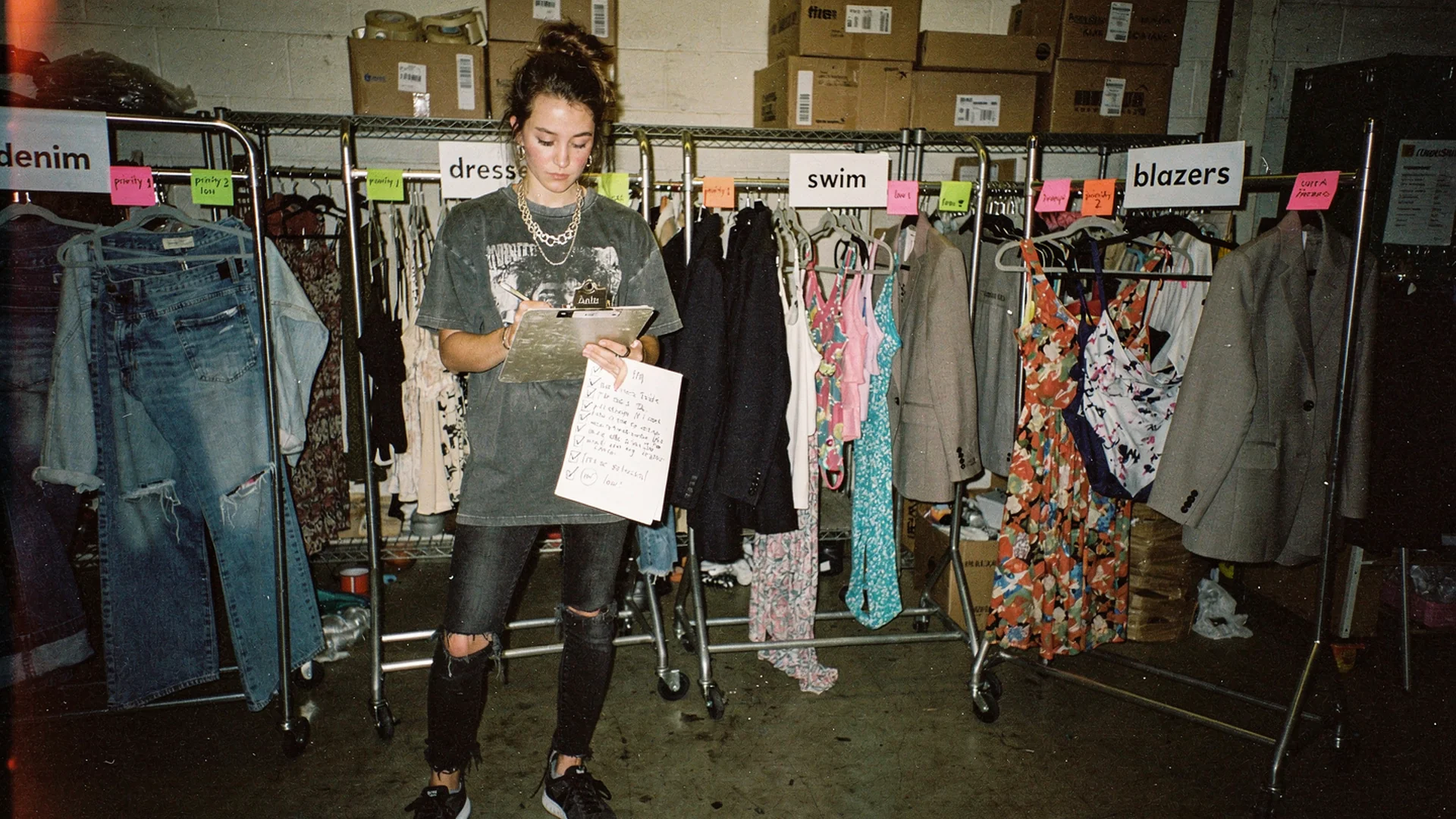
Category prioritization starts with fit physics, not SKU count.
The Prioritization Question Merchants Skip
Most teams ask, “Should we add try-on to the whole store?” A better question is, “Which PDP objections cost us margin today?”
Pull return tags, support tickets, and review language for the last two quarters. Group reasons into fit physics buckets before you touch vendor demos.
| Fit physics | Shopper cannot judge from photos | Example categories |
|---|---|---|
| Silhouette | Overall shape on their frame | dresses, jumpsuits, wide-leg pants |
| Rise and length | Where garment sits, hem placement | denim, chinos, tailored shorts |
| Coverage and transparency | Skin show-through, modesty | swimwear, bodysuits, sheer layers |
| Shoulder and structure | Lapels, padding, sleeve pitch | blazers, coats, structured tops |
| Low variance | Color or logo choice only | belts, socks, simple accessories |
Each row maps to a dedicated playbook in this cluster. Categories appear as examples inside those guides, not as dozens of thin SKU pages.
Tier 1: Roll Out Try-On Here First
Silhouette-sensitive categories drive bracketing when shoppers order two sizes “just in case.” Midi dresses, body-skimming knits, and wide-leg trousers all share the same shopper question: will this shape flatter me?
Start with hero SKUs that already have high views and elevated return rates. Pair try-on with honest photography guidance from product photography vs AI virtual try-on.
Denim and inseam-sensitive bottoms bleed margin through rise mismatch and length regret. Shoppers rarely know whether a 28-inch inseam hits at ankle or mid-calf on their leg. The rise-and-length playbook below covers jeans, chinos, and tailored shorts.
Swimwear, bodysuits, and sheer fabrics trigger coverage anxiety that size charts cannot address. Modesty and transparency objections show up late, often after the package is opened. The coverage lane guide addresses swim, bodysuits, and sheer layers in one place.
Structured outerwear and blazers fail on shoulder pitch and torso length more often than on waist numbers. A size 8 that fits the chart can still look wrong if the shoulder seam sits two inches off. The structure lane guide covers blazers, coats, and tailored pieces together.
Tier 2: Expand After You Have Data
Knit tops with drape behavior, skirts with hip ease, and layering pieces often benefit once Tier 1 SKUs prove engagement.
Use try-on data for merchandising decisions to watch which categories get repeat try-on sessions without converting. That pattern flags PDP copy or photography gaps, not try-on failure.
Medium-priority categories still link to problem lanes. A drape-heavy sweater belongs in the silhouette playbook even if denim returns hurt more today.
Tier 3: Deprioritize For Now
One-size accessories, socks, belts, and simple graphic tees with forgiving fit rarely justify try-on setup time in the first rollout.
If your catalog is 80% low-variance basics with a high-fit tail, roll out on the tail only. No-code virtual try-on on Shopify makes selective SKU enablement practical for lean teams.
How This Framework Connects To Returns Data
Category return rates vary by brand, channel, and price point. Benchmarks help you compare your pain to industry patterns without copying a competitor’s assortment.
Our fashion returns by category benchmarks page consolidates public data and merchant patterns in one place. Use it to validate which fit physics lane matches your margin leak, not to justify a hundred near-duplicate stat pages. The benchmarks guide is linked in the playbook list below.
NRF and Happy Returns estimated $890 billion in 2024 retail returns. Apparel merchants feel that through fit mismatch and multi-size orders. The cost of bracketing in online fashion explains why try-on belongs before checkout, not after the warehouse scan.
Antla On Category Prioritization
Antla is built exclusively for Shopify fashion brands. Merchants enable try-on on selected SKUs first, measure try-on users against everyone else, then expand by category.
Across Antla stores, shoppers who use try-on convert at roughly 35% higher rates on average. Engagement on those PDPs tends to run two to three times longer, which is a useful signal when silhouette or length anxiety was blocking add-to-cart.
Return programs have seen reductions up to 30% when try-on closes the main expectation gap on high-risk categories. For some women’s PDPs, conversion can double when try-on resolves the primary objection.
Antla works with all Shopify themes through no-code setup, carries 5 stars from 80+ reviews, and serves 100+ Shopify fashion brands. Antla Pro AI adds sharper rendering when subtle drape or coverage perception drives returns.
Evaluation Path Before You Expand
If you are still choosing a vendor, start with the best virtual try-on for Shopify fashion hub. It links setup, pricing, theme compatibility, and case studies without repeating this prioritization logic.
Launch-stage merchants should also read virtual try-on for growing fashion brands from our AI-era store playbook.
Problem-Lane Playbooks In This Cluster
Each guide below covers one fit physics thesis. Read the lane that matches your top return reasons:
- Silhouette fit uncertainty on Shopify fashion
- Rise, length, and denim fit driving returns
- Coverage and transparency for swimwear and bodysuits
- Shoulder structure for blazers and outerwear
- Fashion return rate benchmarks by category
Merchant Rollout Checklist
Use this sequence on five to ten hero SKUs per lane:
- Tag last-quarter returns by reason and category
- Match reasons to a fit physics lane from the table above
- Enable try-on on the highest-traffic SKU in that lane
- Compare try-on user conversion and returns after 30 days
- Expand within the lane before opening a new one
Document baseline PDP metrics first. Shopify PDP conversion optimization for fashion shows which signals matter when you add a new preview layer.
What We Deliberately Avoid
Do not spin up dozens of URLs from templates like sell-[gender]-[garment]-online or virtual-try-on-[garment]-shopify. Those pages repeat the same pitch with swapped nouns and rarely add merchant-specific fit insight.
If Google Search Console shows a unique query with real volume, fold it into the closest problem lane as an H3 or FAQ, not a new thin page. Google’s helpful content guidance rewards depth on a clear topic, not catalog-shaped duplication.
Frequently Asked Questions
Which fashion categories need virtual try-on first on Shopify?
Prioritize categories where photos leave a fit gap: silhouette-sensitive dresses and jumpsuits, rise-and-length denim, coverage-sensitive swimwear and bodysuits, and structured blazers or outerwear. Expand to medium-variance categories after you measure try-on engagement on hero SKUs.
Should every SKU get virtual try-on?
No. Start with high-traffic SKUs where return reasons mention fit, length, coverage, or structure. Low-variance accessories and forgiving basics can wait until high-risk lanes show conversion and return movement.
How do I tie category choice to return data?
Group return reasons into fit physics lanes, compare your rates to category benchmarks, then enable try-on on the lane with the highest margin impact. Use try-on user metrics to confirm the PDP objection you targeted is the one resolving.
How does Antla support selective category rollout?
Antla installs on Shopify with no-code SKU selection, theme compatibility across standard themes, and reporting that separates try-on users from other shoppers. Merchants expand by category after hero SKU tests rather than enabling storewide on day one.
Related Depth From Cluster 03 And 05
When prioritization turns into PDP work, read the virtual try-on reduces returns guide, the size chart failure piece, and the fashion returns reduction strategy from cluster 03, plus the virtual try-on vs size charts and pricing ROI guides from cluster 05. Those articles are linked from the evaluation hub above.
About the author: Aaron is the founder of Antla. After years of frustrating returns, never looking like the supermodels on product pages, he set out to make fashion personal by helping shoppers see themselves in the outfits they want to buy. He built this prioritization hub so merchants roll out try-on by fit physics instead of SKU templates.
Ready to prioritize your catalog? Explore the virtual try-on feature page and install Antla from the Shopify App Store when your hero lane is clear.