

How to Start an Online Fashion Store on Shopify in 2026
A practical 2026 launch guide for starting a Shopify fashion store: niche, suppliers, PDP basics, trust, AI discovery, and the apps worth adding first.

Starting an online fashion store in 2026 is not harder because shoppers stopped buying clothes. It is harder because the bar for trust moved. Shoppers expect clearer fit signals, faster answers, reviews that look real, and product pages that do not feel like a gamble with better photography.
An online fashion store is a Shopify shop that sells apparel or accessories, uses honest product detail pages, and builds repeat purchase through fit confidence, social proof, and reliable operations. If you are launching in 2026, treat AI as infrastructure for discovery and content, not as a substitute for merchandising judgment.
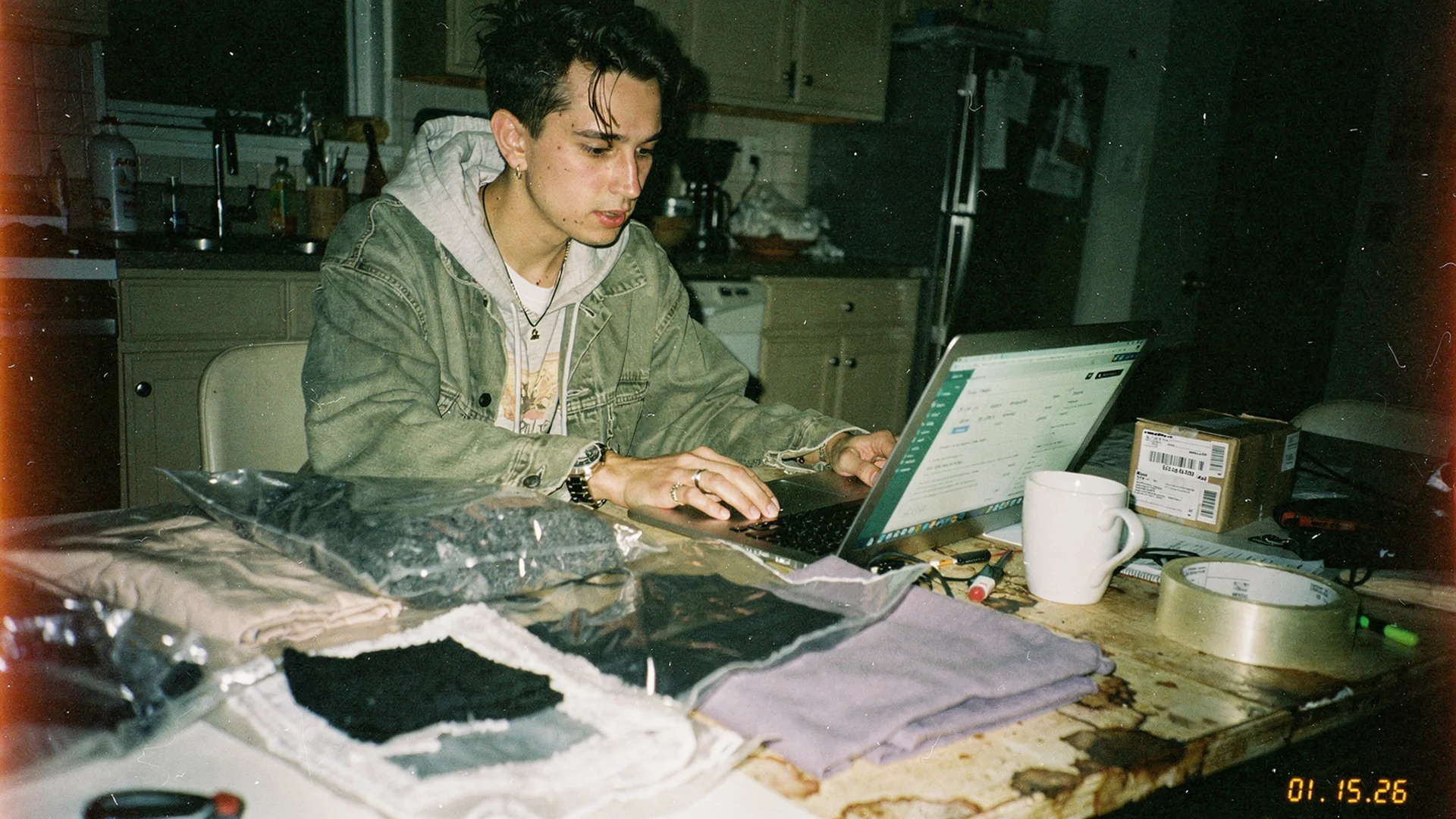
Launch with a clear niche, honest product pages, and a small stack you can actually run before you scale ads.
What Changed For New Fashion Merchants
Three shifts matter for new brands.
First, discovery is splitting. Google still matters, but shoppers also ask ChatGPT, Gemini, Perplexity, and Claude what to buy. That means your product data, blog content, and FAQs need to be legible to humans and extractable for AI answers. We cover that in AI search visibility for fashion Shopify stores.
Second, fit risk is expensive. NRF and Happy Returns reported $890 billion in 2024 retail returns. Fashion contributes a painful share because expectation gaps show up as return labels. You do not need every tool on day one, but you should plan for fit confidence early if you sell anything size-sensitive.
Third, conversational channels are normal. WhatsApp, SMS, and chat are not only for enterprise brands anymore. A small team can recover carts and answer sizing questions in channels shoppers already use. See WhatsApp marketing for fashion DTC brands when you are ready for that layer.
Step 1: Choose A Niche You Can Defend
Do not start with “women’s fashion.” Start with a problem you can explain in one sentence.
Examples that work for new merchants:
- Petite workwear with consistent inseams and sleeve lengths
- Sustainable basics with fiber transparency on every PDP
- Modest swim with coverage notes and real try-on photos
- Men’s tall tees with measured body length, not vague “long fit”
If you cannot describe why your catalog is different in plain language, ads will be expensive and returns will teach you the positioning lesson anyway. For a full framework, read how to choose a fashion niche in the AI era.
Step 2: Set Up Shopify Like An Operator
Shopify’s guide to starting an online store is still the right backbone: domain, payments, shipping profiles, taxes, and policies. For fashion, add three operational details early.
Returns policy that matches your stage. Generous policies can help conversion early, but vague policies create support debt. Write what you will accept, who pays return shipping, and how long processing takes.
Size and fit language standards. Decide how every product will document fit: model height, size worn, garment measurements, stretch notes. Inconsistent fit copy is how new brands accidentally train shoppers to bracket sizes.
Variant hygiene. Color and size variants should map to the correct images. Broken variant mapping destroys trust for try-on, reviews, and AI product summaries.
Step 3: Build Product Pages Before You Scale Ads
Traffic is not a gift if the product page makes shoppers guess. Before you spend on Meta or TikTok, make sure your PDP answers:
- What does this look like on a body like mine?
- How does the fabric behave?
- What size should I pick and what happens if I am wrong?
- Do real customers vouch for fit and quality?
Our guide on fashion product pages that convert before ads walks through the sequence. The short version: media, fit language, reviews, then personal preview where the category needs it.
Step 4: Add A Small App Stack (Not A Christmas Tree)
New merchants often install twelve apps and wonder why the site feels slow. Start with one job per layer.
| Layer | Job | When to add |
|---|---|---|
| Trust | Photo reviews, UGC | Before first paid campaign |
| Discovery | AI search / GEO audit | When catalog hits 20+ SKUs |
| Fit | Virtual try-on | When returns cite fit or style |
| Conversation | WhatsApp recovery | When cart abandonment hurts |
Loox is a sensible first trust layer for fashion because photo reviews show real bodies and real fabric behavior. Shoppers believe other shoppers more than they believe adjectives.
Vizby helps when you are doing traditional SEO but not showing up in AI answers. It audits product and collection pages, structured data, and llms.txt style files so ChatGPT-class systems can parse your store.
Dondy fits when your customers already use WhatsApp and you want abandoned cart recovery or post-purchase updates without building a custom integration.
Antla fits when fit uncertainty is costing you sales or returns. Virtual try-on belongs in the evaluation flow, not buried as a novelty. If you are comparing stacks, the pillar guide links every layer: starting and succeeding with an online fashion store in the AI era.
Step 5: Plan Content Like A Merchant, Not A Publisher
You do not need a magazine. You need useful pages that answer buying questions.
Priority content for a new fashion store:
- Fit and sizing guides per category
- Fabric care and stretch behavior
- “How to style” posts tied to hero products
- Comparison posts when you compete on a specific wedge
Google’s helpful content guidance applies here: pages should satisfy intent, not pad word count. For a small-team workflow, see fashion content strategy without a full creative team.
Step 6: Launch With Metrics That Matter
Week one metrics that actually teach you something:
- PDP scroll depth on hero SKUs
- Add-to-cart rate by product
- Return reasons (even if volume is small)
- Support tickets about fit, fabric, or shipping
- Email/SMS opt-in rate
Avoid vanity metrics that flatter you into scaling broken pages. First 90 days metrics and unit economics explains how to read early numbers without panic.
Launch Checklist
- Niche statement in one sentence
- Shopify policies live (shipping, returns, privacy)
- Supplier lead times documented on PDPs where relevant
- Fit language template applied to first 10 SKUs
- Photo review collection flow ready
- Hero PDPs reviewed on mobile
- AI-readable product data (title, type, material, fit)
- Internal links between related products and guides
- 30-day measurement sheet prepared
What Not To Do In The First 30 Days
Do not launch with a blank About page and a perfect Instagram grid. Shoppers forgive imperfect creative. They do not forgive unclear fit.
Do not run broad ads to a homepage. Send traffic to PDPs you would buy from yourself.
Do not copy competitor size charts without verifying garment measurements. Size distrust compounds returns.
Do not treat AI tools as a replacement for merchandising. AI can draft, audit, and summarize. It cannot pick your wedge for you.
Keep Reading In This Playbook
- Choose a fashion niche in the AI era
- Fashion product pages that convert before ads
- Photo reviews and social proof for fashion brands
- Virtual try-on for growing fashion brands
From our Shopify growth cluster: PDP conversion optimization for fashion and how virtual try-on reduces returns before checkout.
Frequently Asked Questions
How much does it cost to start a fashion store on Shopify in 2026?
Plan for platform subscription, theme, initial inventory or samples, photography, and a small app stack. Many merchants launch lean under a few thousand dollars if they start with a tight catalog and organic traffic before scaling paid ads.
What should I set up before running ads for a new fashion brand?
Hero product pages with clear fit language, real reviews, mobile-friendly checkout, and policies that match how you actually handle returns. Ads amplify the PDP you already have.
Which Shopify apps should a new fashion store add first?
Start with trust (photo reviews like Loox), then add AI discovery (Vizby), conversational recovery (Dondy), and virtual try-on (Antla) when fit risk shows up in returns or support tickets.
About the author: Aaron founded Antla after one too many returns that came down to fit, not fabric. He builds tools that help shoppers see clothes on themselves before they buy.
Ready to launch? Build product pages that earn trust before you buy traffic. Explore Antla for virtual try-on when fit matters, and read the complete AI-era fashion store guide.