

Virtual Try-On Apps for Shopify Fashion Compared
Compare the best virtual try-on apps and tools for clothing in 2026: realism, Shopify integration, analytics, and which ones actually cut returns.

Most virtual try-on app comparisons are too flattering to the category and too vague for the merchant. They celebrate novelty, mention AI, and maybe show a screenshot. They rarely answer the questions that matter when a fashion team has to make a budget decision: which tool fits my product mix, which one shoppers will actually use, and which one can reduce the returns your store is paying for now.
A fair virtual try-on app comparison framework is a merchant scoring method that evaluates tools by realism, category fit, shopper adoption, Shopify integration, analytics, and return-prevention impact, not marketing claims or generic feature lists.
If the demo looks impressive but the entry point sits three scrolls below the fold, you are not comparing vendors. You are comparing slide decks.
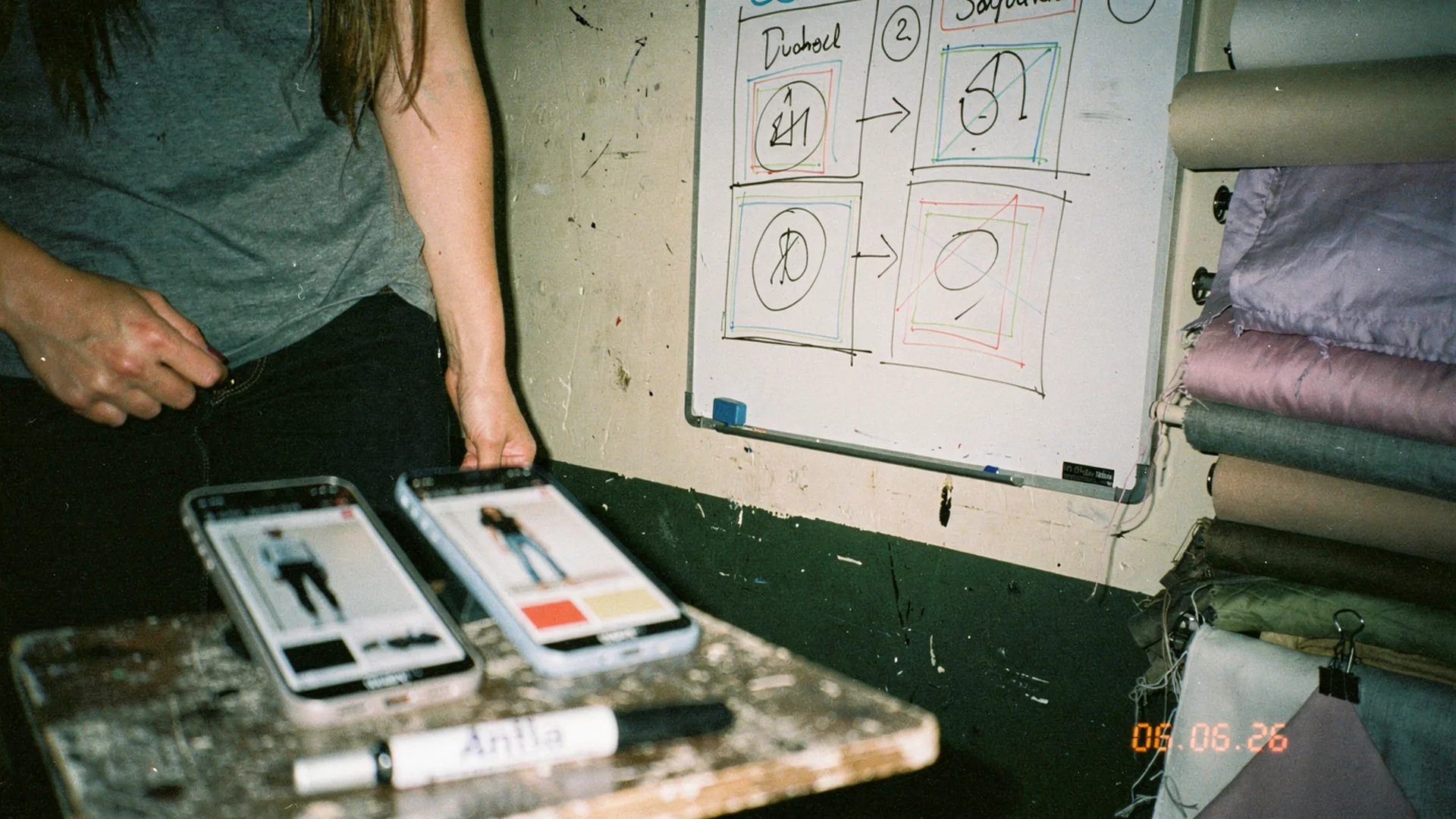
The best comparison framework asks whether a tool fits your categories, your PDP, and your return problem, not whether it sounds futuristic.
Start By Comparing The Problem, Not The Tool
Before you rank vendors, rank your categories by the uncertainty they create. A store selling denim, dresses, tailored outerwear, and occasionwear has a different virtual try-on need from a store selling mostly forgiving tees and lounge sets.
Start with which fashion categories need virtual try-on and fit confidence in ecommerce fashion. If your highest-cost returns come from silhouette and flattering uncertainty, visualization belongs high in the stack. If they come mainly from numeric size conversion, strengthen size architecture before you buy the most advanced preview layer.
What The Research Says The Category Should Be Solving
Shopify’s virtual fitting room guide and Snap’s ARES retail overview describe the same pattern from industry data: VTO influences behavior through fit confidence, perceived usefulness, interactivity, and risk reduction before payment.
The practical takeaway is simple. Virtual try-on is not one product category with one expected outcome. Different approaches create different levels of effort, immersion, and shopper usefulness. The best tool is not the most futuristic one. It is the one that helps your shoppers make a better decision on your actual products.
Google and Vogue Business’s Unfolding AI study found strong consumer interest in AR try-on among values-driven shoppers. Narvar’s apparel returns guide ties better PDP fit evidence to fewer apparel refunds. Both belong in a comparison scorecard because they connect tool choice to return outcomes, not demo quality alone.
Shopify’s virtual shopping guide reinforces the merchant angle. It frames try-on, AR, and guided shopping as measurable behavior that feeds merchandising and inventory decisions, not just customer experience theater. Good comparison work should therefore include analytics and operational fit, not only rendering quality.
The Seven Comparison Criteria That Actually Matter
1. Category Fit
Start here. Does the tool perform well on your specific product mix?
- Dresses and occasionwear need drape and silhouette credibility
- Denim needs visual confidence around rise and proportion
- Tailoring needs shoulder and body-length judgment
- Accessories may need a different interaction model altogether
A tool that shines in eyewear or lipstick does not automatically translate to apparel. Even within fashion, categories differ enough that merchants should score each candidate on the five to ten SKUs most likely to produce return risk.
2. Type Of Shopper Input Required
How much effort does the shopper need to invest to get value?
- Static model previews are low effort but less personal
- Diverse model-set previews are useful for discovery but not self-reference
- Photo-upload or self-referenced preview creates more confidence but requires trust and clean UX
Business of Fashion’s generative AI piece is useful here because it highlights the next challenge after realism: actual usage. A tool that requires too much effort or appears too late may never get used enough to matter, even if the demo output looks strong.
3. Realism And Diagnostic Value
Do not ask whether the output looks cool. Ask whether it helps a shopper diagnose the decision that caused hesitation.
Realism should be judged by questions like:
- Can the shopper understand length and proportion?
- Does the preview clarify the silhouette on body?
- Does it reveal enough to reduce backup-size behavior?
- Does it feel trustworthy rather than decorative?
This matters because the goal is not perfect simulation. The goal is useful reduction of uncertainty.
4. PDP Integration And Mobile Placement
If the try-on entry point is hidden, your comparison is already biased. Fashion traffic is mobile-heavy, so the tool must fit into the existing evaluation path:
- Near core media
- Near the size selector when appropriate
- Fast enough to feel native
- Clear enough that shoppers understand why they should tap
Shopify’s AR article offers a helpful reminder that interactive product experiences can move behavior meaningfully when they are accessible enough to use. Shopify cited fashion brand Rebecca Minkoff, where shoppers were more likely to add to cart and order after interacting with 3D and AR experiences. The merchant lesson is not “AR always wins.” It is that discoverable, usable interaction can change purchase quality when it answers a real question.
5. Analytics And Cohort Reporting
This criterion is usually underweighted in comparison posts and overweighted by operators after launch. Merchants need to know:
- Try-on start rate
- Conversion of try-on users vs non-users
- Return rate or reason-code movement on pilot SKUs
- Category-level uptake by product type
- Whether behavior differs for new vs repeat customers
If the tool cannot support measurement, you are buying optimism.
6. Returns-Relevance, Not Just Conversion Potential
Some tools may increase engagement without addressing the source of expensive returns. Your comparison should therefore ask:
- Is this tool likely to reduce “not flattering” or “looked different” returns?
- Can it reduce bracketing on the affected categories?
- Does it clarify fit on the products where your margin leak is actually happening?
Score vendors alongside shopify fashion return rate benchmarks and wrong-size returns in online fashion. A comparison without return context is incomplete.
7. Rollout Practicality
Can a lean team pilot this on five to ten SKUs before committing further?
Snap’s ARES launch is helpful context because it shows the types of results vendors will often cite: Goodr saw large lifts in add-to-cart and conversion, Princess Polly shoppers using Fit Finder and AR Try-On had lower return rates, and Gobi Cashmere saw strong conversion for users of fit guidance and try-on. Those examples are directionally useful, but they are still case data tied to specific implementations. A fair comparison turns those claims into a pilot question: can we reproduce something similar on our own risky categories with our own traffic mix?
A Simple Merchant Scorecard
Use a 1 to 5 score on each criterion:
| Criterion | Why it matters |
|---|---|
| Category fit | Prevents buying a tool built for someone else’s use case |
| Shopper input burden | Predicts whether people will actually use it |
| Diagnostic realism | Measures decision quality, not visual novelty |
| PDP integration | Determines adoption on real traffic |
| Analytics depth | Lets you prove or disprove value |
| Return-prevention fit | Connects tool choice to margin outcomes |
| Rollout practicality | Keeps implementation disciplined |
Weight category fit, return-prevention fit, and analytics more heavily than decorative features.
NRF’s 2024 returns report is worth citing in the business case section of your scorecard: when returns sit at $890 billion industry-wide, a tool that only lifts clicks without improving order quality is an expensive distraction.
How To Avoid The Three Most Common Comparison Mistakes
Mistake 1. Comparing Vendors Before Defining The Product Risk
If you do not know which categories are driving returns, you will over-index on presentations and under-index on utility.
Mistake 2. Using A Demo SKU That Is Too Easy
Do not test a forgiving tee that no one returns. Test the dress, jean, or blazer that causes real hesitation.
Mistake 3. Treating Any Usage As Success
High interaction alone is not enough. A fair pilot should examine whether try-on users convert better, whether backup-size behavior falls, and whether reason codes improve.
Where Antla Fits In A Fair Comparison
Antla should be evaluated as a Shopify-native fit-visualization layer for fashion categories where the shopper needs to see the garment on herself before checkout. The practical questions are:
- Does it fit the specific categories causing the store’s margin pain?
- Is the PDP placement strong enough to encourage use?
- Do try-on users show better conversion and cleaner return behavior?
Across merchants, try-on users often convert about 35% better on average, and stores can see up to 30% return reduction when visualization addresses the actual blocker. That makes Antla especially relevant in the comparison when dresses, denim, occasionwear, or other silhouette-sensitive products sit near the top of the return-cost stack.
For vendor shortlists and market orientation, read best virtual try-on for Shopify fashion alongside the scorecard above.
A 21-Day Comparison Process
Days 1 to 3
Pick five to ten SKUs with:
- High traffic
- Fit- or expectation-related return reasons
- Measurable bracketing or hesitation
Days 4 to 7
Define the scorecard and success metrics before reviewing vendors.
Days 8 to 14
Run demos against those SKUs, not generic catalog examples. Ask vendors to show the exact decision moments your shoppers struggle with.
Days 15 to 21
Pilot one tool on the live PDP. Measure:
- Start rate
- Conversion of users vs non-users
- Add-to-cart rate
- Bracketing change
- Return reason movement where possible
That sequence keeps the comparison honest.
The Best Tool Is The One That Improves Order Quality
Virtual try-on can absolutely be a category-defining advantage. It can also become a distracting line item if merchants buy it for innovation optics rather than for a specific return and confidence problem. The fair comparison framework protects against that. It asks whether the tool belongs on your products, in your buying path, with your customers, and against your real return causes.
Before you choose a winner, read shopify apps that reduce returns in fashion, fit confidence in ecommerce fashion, and best virtual try-on for Shopify fashion.
Frequently Asked Questions
What is the fairest way to compare virtual try-on apps for fashion?
Compare them on category fit, shopper input burden, diagnostic realism, PDP integration, analytics, and return-prevention relevance. A tool should be judged by whether it improves order quality on your risky categories, not by a generic feature checklist.
Should merchants compare virtual try-on tools by demo quality alone?
No. Demo quality matters, but usage, measurement, and category fit matter more. A polished demo can still fail on the live PDP if shoppers do not use it or if it solves the wrong kind of uncertainty.
Why does category fit matter so much in virtual try-on comparisons?
Because denim, dresses, tailoring, and accessories create different decision problems. A tool that performs well in one category may not reduce hesitation or returns in another.
What metrics should I track during a virtual try-on pilot?
Track try-on start rate, conversion of users vs non-users, add-to-cart rate, bracket rate, and return or reason-code movement on the pilot SKUs. Those metrics show whether the tool is changing buying quality.
How should Antla be compared to other options?
Compare Antla as a Shopify-native fit-visualization layer for categories where shoppers need self-referenced preview before checkout. The right test is whether it increases conversion among try-on users and reduces fit- or expectation-driven returns on the selected products.
Related reading
- Best virtual try-on for Shopify fashion
- Shopify apps that reduce returns in fashion
- Which fashion categories need virtual try-on
About the author: Aaron is the founder of Antla. After years of frustrating returns, never looking like the supermodels on product pages, he set out to make fashion personal by helping shoppers see themselves in the outfits they want to buy. He distrusts feature-checklist comparisons that ignore whether a try-on tool actually improves order quality on the categories that need it most.
If you are actively comparing tools, use this framework to score your shortlist on the products that already produce fit anxiety and returns. Then cross-check with best virtual try-on for Shopify fashion and run a limited pilot before you commit storewide.