

AI Merchandising for Fashion Ecommerce Stores
AI merchandising for fashion ecommerce: collection sorts, badge rules, slow-mover promotions, and using try-on and return data to rank honest winners.

AI merchandising for fashion ecommerce sits between creative direction and spreadsheet discipline. It decides which SKUs get seen first, which get badges, and which get bundled before slow inventory becomes a markdown fire sale.
Merchandising AI on Shopify reads velocity, margin, inventory, and sometimes engagement signals. Fashion merchants still need taste and return literacy, because a hot seller with 40% fit returns is not a hero, it is a trap.
This guide covers sort rules, badge logic, and data feeds that make AI merchandising honest. It links to the AI tools hub for Shopify fashion merchants.
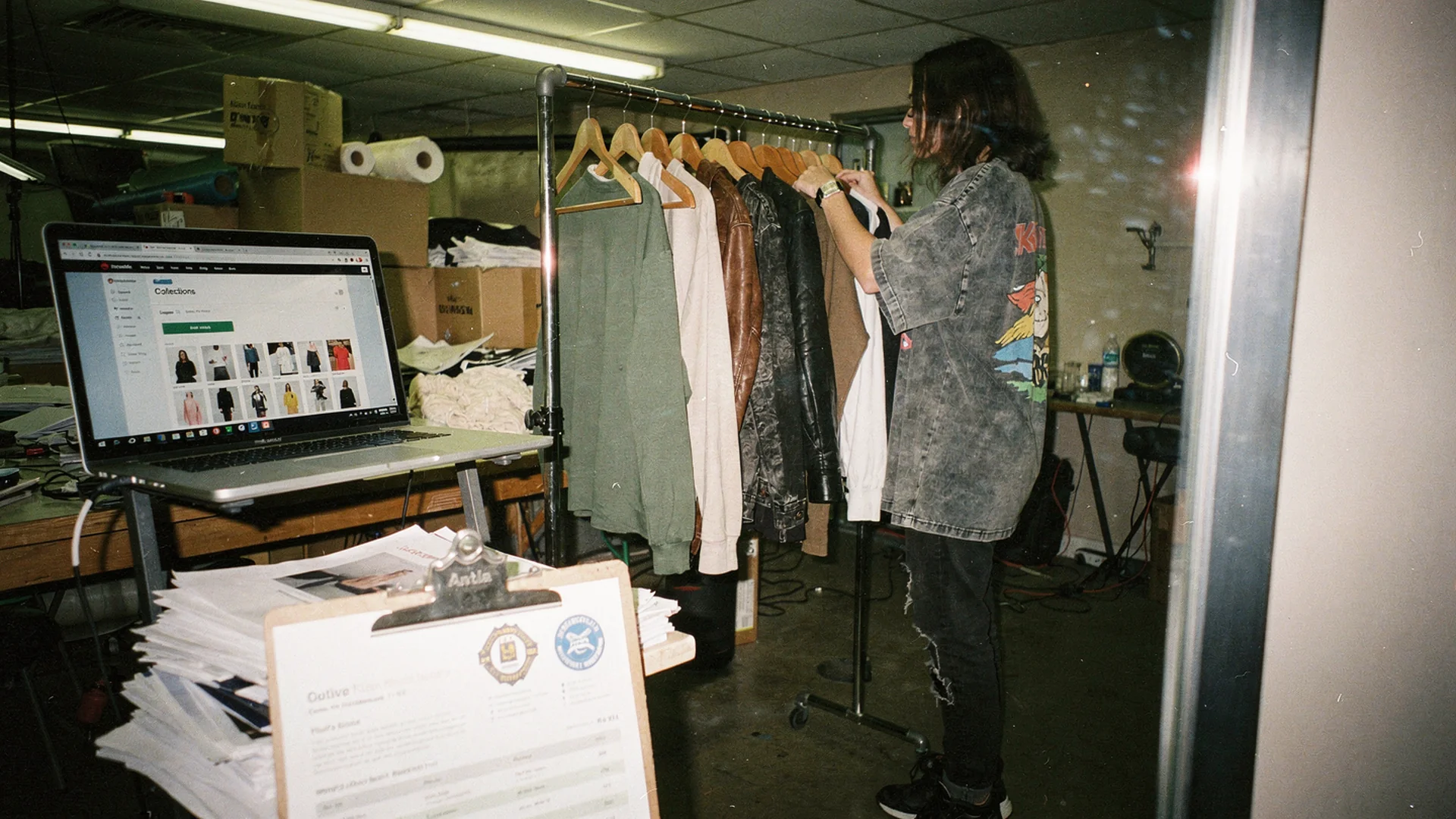
Merchandising AI should rank SKUs that sell and stay sold, not only SKUs that photograph well in ads.
Merchandising Jobs AI Can Own
Clear jobs for automation:
- Collection resorting by sell-through, newness, or margin
- Badge assignment (“Bestseller,” “Low stock,” “Petite friendly”)
- Cross-sell blocks on PDP and cart
- Bundle suggestions for slow colorways
- Search boosts for in-stock hero SKUs
Unclear job: “make site feel premium.” That is brand design, not sort logic.
Inputs Beyond Gross Sales
Feed merchandising AI richer signals:
| Signal | Why it matters |
|---|---|
| Return rate by SKU | Flags false heroes |
| Try-on engagement | Shows evaluation depth |
| Photo review volume | Trust proxy |
| Size-out frequency | Hides broken availability |
| Full-price sell-through | Protects margin |
Try-on data for merchandising decisions explains how engagement patterns expose PDP gaps vs true demand.
When try-on users convert 35% higher on average on a SKU but non-try-on viewers lag, merchandising should route traffic to improved media and copy, not hide the SKU.
Badge Rules That Do Not Lie
Badges train shopper trust. Rules should be auditable:
- “Bestseller” = top decile net units minus returns over 60 days
- “New” = live date within X days, not stale carryover
- “Selling fast” = inventory cover below threshold, verified in ERP
- “Petite friendly” = garment spec + review language, not marketing wish
Remove badges automatically when conditions expire. Stale badges are fraud.
Collection Sort Strategies By Goal
Launch window: sort by newness with manual pins for campaign hero SKUs
Margin protection: boost full-price winners with strong PDP proof
Clearance: separate outlet collection, never mix default sort with full-price without filters
Category landing pages: sort by silhouette relevance, not global bestsellers that ignore context
Align sorts with Shopify PDP conversion optimization for fashion insights on which SKUs actually close.
Slow Mover Playbooks
AI can suggest bundles and complete-the-look pairings to move color breaks:
- Pair slow color top with fast bottom in same fabric story
- Offer lookbook bundles with modest discount vs deep single-SKU markdown
- Feature photo reviews on slow SKUs to rebuild trust
Avoid training wait-for-sale behavior on hero lines. Use inventory forecasting spoke guidance to time markdowns with sell-through data.
Visual Merchandising And PDP Quality
Merchandising sends traffic; PDPs convert or return.
Before you boost a SKU algorithmically, confirm:
- Photography shows length and fabric honestly
- Size chart matches supplier spec
- Reviews mention fit accurately
- Try-on enabled on high-variance categories via Antla
Returns fall up to 30% on some Antla categories when preview closes expectation gaps. Merchandising should spotlight SKUs that survive preview, not only SKUs with high ad CTR.
Loox And Social Proof In Sort Logic
Loox photo review volume is a merchandising signal. SKUs with recent visual reviews deserve visibility when dye lot consistency matters.
Do not sort purely by review star average without reading text. Five stars that say “runs short” need chart fixes, not more traffic.
Personalization Overlap
Merchandising sets defaults; personalization adapts per visitor. Conflicts arise when both teams sort the same collection differently.
Document ownership:
- Merchandising owns taxonomy, badges, default sorts
- Personalization owns behavioral modules within guardrails
See Shopify AI personalization for fashion.
Seasonal Visual Merchandising
Fashion is seasonal storytelling. AI sorts should respect:
- Climate by region when geo data exists
- Occasion calendars (wedding season, back-to-school)
- Collaborations with manual pin windows
Automate the boring resort; keep creative pins human.
Measuring Merchandising AI
Track net revenue per collection impression, not only click-through:
- Conversion rate by sort variant
- Return rate by promoted SKU set
- Margin dollars per session
- Size-out rate after traffic spikes
If promoted SKUs spike returns, demote and fix PDP before re-promoting.
Anti-Patterns
Avoid:
- Promoting SKUs with active quality complaints
- Hiding high-return heroes because marketing loves the photo
- Infinite scroll that buries new arrivals
- Same “bestsellers” module on every page regardless of context
Baymard apparel UX research notes discovery friction when categories feel repetitive.
Small Team Merchandising AI
If you have one merchandiser:
- Weekly manual sort on top three collections
- Automated badges for low stock only
- Monthly review of return tags vs promoted SKUs
- Try-on rollout on categories you promote most
Read AI automation for small fashion brands for realistic cadence.
Lookbook Merchandising Vs Algorithmic Sorts
Editorial lookbooks still matter for fashion storytelling. AI sorts handle velocity and inventory; humans pin narrative collections for launches, collaborations, and seasonal mood.
A practical split:
- Algorithm owns default category sorts refreshed daily or weekly
- Merchandiser owns pinned hero rows for two-week campaign windows
- Both review return rates on pinned SKUs before extending pins
When a lookbook pin drives traffic to a SKU with weak try-on completion, the problem is usually PDP media, not sort logic. Refresh photography and fit notes before demoting the story.
Collection Page Density
Fashion shoppers decide quickly whether a grid feels curated or chaotic. Too many badges, countdown timers, and recommendation strips on one collection page create visual noise that hurts full-price perception.
Cap automated badges per row, limit countdown modules to SKUs with verified low inventory, and A/B test cleaner grids on your top three collections before rolling site-wide. Merchandising AI should make choice easier, not louder.
Frequently Asked Questions
What is AI merchandising for fashion ecommerce?
Automated collection sorting, badges, bundles, and recommendations using sales, inventory, and engagement signals. Fashion needs return-adjusted inputs to avoid promoting false heroes.
Can AI merchandising use virtual try-on data?
Yes. Try-on engagement and conversion by SKU reveal which products earn attention and which PDPs need fixes before you boost traffic.
How do badges work with merchandising AI?
Define auditable rules tied to net sales, inventory, and verified attributes. Remove badges automatically when conditions expire to protect trust.
Should clearance SKUs appear in default collection sorts?
No. Separate outlet collections prevent training customers to ignore full-price merchandising and protect margin perception.
How often should fashion merchants update AI sort rules?
Review weekly during peak season and after major drops. Adjust when return rates or size-outs spike on promoted SKUs.
Stack And Ops Connections
- Build an AI stack for your fashion store
- AI inventory forecasting for fashion retail
- Fashion returns reduction strategy on Shopify
About the author: Aaron is the founder of Antla. After years of frustrating returns, never looking like the supermodels on product pages, he set out to make fashion personal by helping shoppers see themselves in the outfits they want to buy. He ranks promoted SKUs by net margin after returns, not by which photo wins the ad account.
Re-sorting collections this week? Promote PDPs with Antla try-on live on categories where engagement data shows fit confidence wins.