

AI Automation for Small Fashion Brands on Shopify
AI automation playbook for small fashion brands on Shopify: weekly cadence, minimum viable stack, what to skip, and Antla try-on when fit returns hurt margin.

AI automation for small fashion brands on Shopify is less about futuristic workflows and more about buying back Tuesday afternoons from repetitive tasks without sounding like a robot brand.
Small teams face a specific trap: enterprise app stacks marketed to merchants with five operators and a dev agency. You have one founder, two collections per year, and support inbox dread.
This persona guide defines what to automate first, what to skip until revenue supports it, and how to keep voice human. Open the AI tools hub when you need the full directory map.
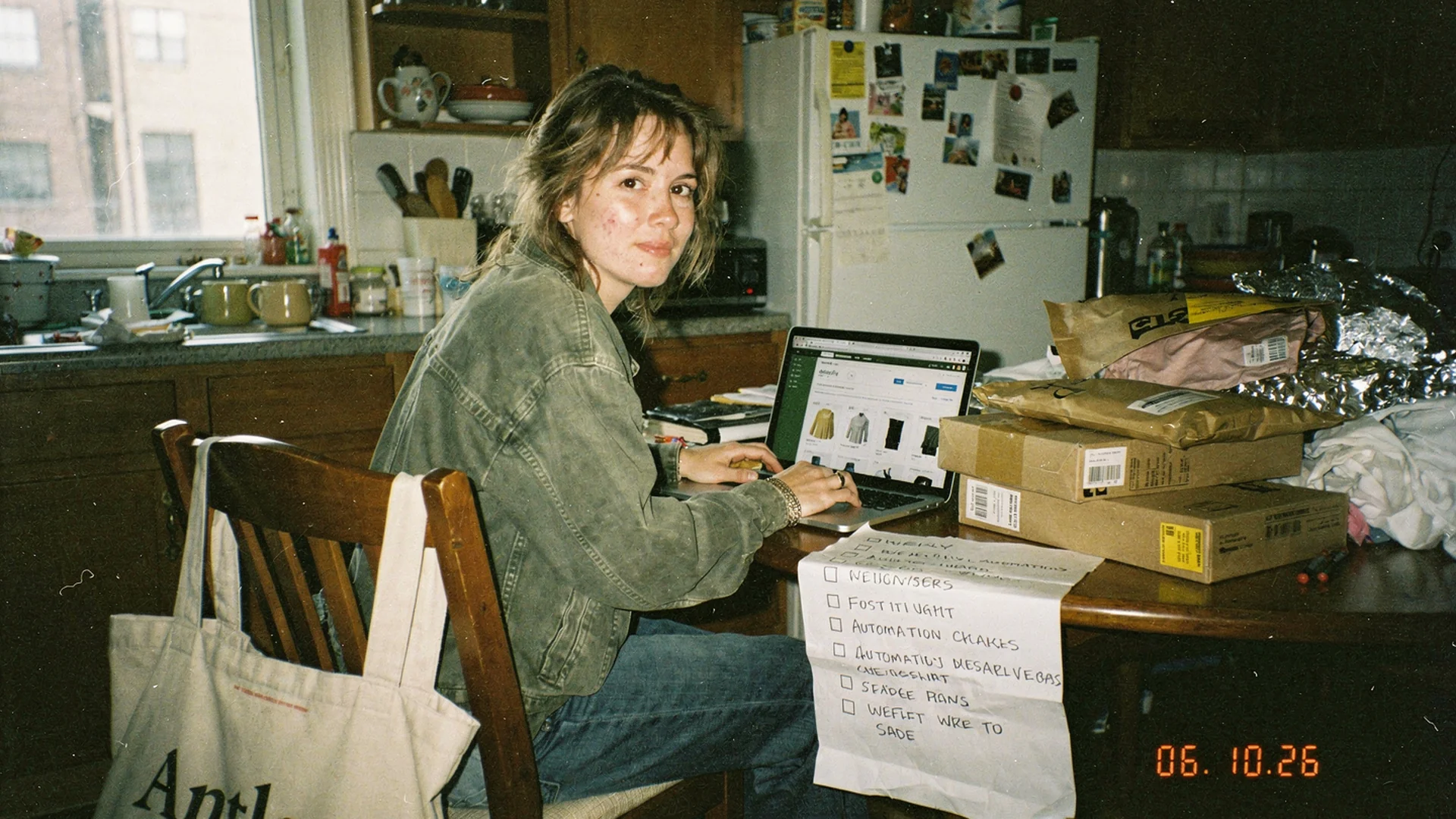
Small brands win automation by owning one metric per month, not by cloning enterprise app stacks.
The Small Brand Constraint (Name It Early)
You likely have:
- Under five full-time equivalents
- Manual purchasing and visual merchandising
- Support in Gmail or Shopify Inbox
- Email in Klaviyo or Shopify Email
- No dedicated developer
Automation must respect that. Every app needs a weekly time savings estimate and a rollback plan.
Minimum Viable Automation Map
| Task | Automate? | Tool pattern | Wait if |
|---|---|---|---|
| Review requests | Yes | Loox | PDPs dishonest |
| Cart recovery email | Yes | ESP flows | No policies |
| Sizing FAQ triage | Partial | Macros + PDP | Charts wrong |
| Product descriptions | Partial | AI drafts + human edit | No attributes |
| Try-on on hero SKUs | Yes when fit hurts | Antla | Accessories-only catalog |
| WhatsApp recovery | Maybe | Dondy | No chat volume |
| Full personalization suite | No early | , | Tags messy |
| ERP forecasting | No early | Spreadsheet | Under 100 SKUs |
This map is opinionated on purpose. Small brands drown in optional apps.
Week-By-Week Cadence (First 60 Days)
Week 1: Export return reasons and hero SKU conversion. Fix one size chart.
Week 2: Turn on photo review requests with Loox on delivered orders.
Week 3: Launch browse and cart abandonment flows with human-written copy.
Week 4: Draft AI descriptions for five heroes using structured attributes per AI product descriptions guide.
Week 5: If fit returns dominate, install Antla on that category only.
Week 6: Measure try-on cohort vs non-users. Expand or rollback.
Week 7: Add WhatsApp via Dondy only if customers already message you.
Week 8: Run one GEO audit with Vizby if discovery is the named problem.
Stop adding tools when weekly review slips. Automation should create clarity, not backlog.
What Small Brands Should Skip (For Now)
Skip:
- Six overlapping chat apps
- AI content farms generating city collection pages
- Enterprise personalization suites
- Auto size recommendation chat without measurement guardrails
- Full-store try-on before hero category proof
Skip does not mean forever. It means until metrics justify complexity.
Antla For Small Teams With Fit Pain
You do not need a dev to launch try-on. Antla installs with no-code theme setup across standard Shopify themes.
When bracketing hits denim or dresses, try-on on five SKUs can move numbers faster than hiring part-time support.
Small brands on Antla report try-on users converting 35% higher on average when visualization was the blocker. Shoppers stay two to three times longer on those PDPs. Returns can fall up to 30% when preview closes expectation gaps.
Start with no-code virtual try-on on Shopify and virtual try-on for growing fashion brands.
Keep Voice Human
Automation fails when every touchpoint sounds identical.
Rules:
- One human-approved email template per month for launches
- Ban AI from founder signature lines without edit
- Escalate angry threads to human within one hour
- Use AI to summarize tickets, not to argue with customers
Read AI customer service for fashion ecommerce for guardrails.
Content Automation Without Spam
Small teams need content, not content volume.
Use AI to:
- Draft FAQ answers from return tags
- Refresh hero PDP bullets seasonally
- Outline blog posts tied to collections
Do not use AI to publish 200 near-duplicate SEO pages. Google helpful content guidance applies to you too.
Fashion content strategy with AI for small teams matches this persona.
Ops Automation Boundaries
Until replenishment exceeds manual tracking:
- Spreadsheet size curves beat fancy forecasting
- Manual collection sorts weekly beat broken AI sorts
- Purchase orders stay human-approved
Add AI inventory forecasting when you miss stockouts monthly on core SKUs.
Budget Reality
Typical monthly app budget for small fashion brands: low hundreds, not low thousands.
Prioritize tools with:
- Transparent pricing at your order volume
- Clear uninstall path
- Metrics you can check in ten minutes weekly
Model try-on ROI with virtual try-on pricing and ROI before dismissing fit tools as “enterprise.”
When You Outgrow This Persona
Signals to upgrade stack:
- Support tickets exceed 100/week with repeat questions
- Replenishment SKUs exceed 150 with frequent stockouts
- Paid spend exceeds $20k/month on hero PDPs that are stable
- Returns program needs dedicated owner
Then re-read the stack build guide and online fashion store AI-era complete guide.
Returns Still Matter At Small Scale
One return percentage point hurts more on small volume. Connect automation to returns:
- Fashion returns reduction strategy on Shopify
- Why size charts fail
- How virtual try-on reduces returns before checkout
Automation without returns awareness optimizes the wrong numbers.
Solo Founder Sanity Checklist
Every Friday, fifteen minutes:
- One metric trend (conversion, returns, or support)
- One app still earning its fee
- One PDP fix scheduled for next week
- One automation paused if quality dropped
That rhythm beats installing a new app when anxious.
Frequently Asked Questions
What AI automation should small fashion brands use first?
Photo review requests, core email flows, structured AI drafts for hero PDPs, and virtual try-on on your highest fit-return category when ready.
How many Shopify AI apps do small fashion brands need?
Often four to six when metric-gated: reviews, email, optional WhatsApp, optional discovery, try-on when fit hurts, forecasting only at replenishment scale.
Can solo founders run virtual try-on on Shopify?
Yes. Antla offers no-code setup for fashion brands without developers. Start with five hero SKUs and measure returns before expanding.
What AI tools should small brands avoid?
Avoid overlapping chat apps, thin SEO page generators, enterprise personalization suites, and auto size advice without strict guardrails.
How do small brands measure automation ROI?
Track weekly time saved, conversion on affected SKUs, return reasons, and support volume. Remove tools that move no metric in 30 days.
Hub And Stack References
- Shopify AI apps for fashion brands
- Best virtual try-on for Shopify fashion
- Build an AI stack for your fashion store
About the author: Aaron is the founder of Antla. After years of frustrating returns, never looking like the supermodels on product pages, he set out to make fashion personal by helping shoppers see themselves in the outfits they want to buy. He wrote this persona guide for founders who need Tuesdays back without sounding like a bot brand.
Running lean? Follow the weekly cadence below, then add Antla try-on on your worst return category when PDP fixes alone plateau.