
AI Product Descriptions for Fashion on Shopify
Write AI product descriptions for fashion on Shopify without generic fluff: fit attributes, fabric truth, SEO structure, and when human editors must approve.

AI product descriptions for fashion on Shopify promise speed. The risk is sameness: every dress becomes “effortlessly chic” while the shopper still cannot tell whether the hem hits mid-calf or the fabric clings when you sit down.
Fashion copy is not generic ecommerce copy with adjectives swapped. It is a contract about fit, fabric behavior, length, coverage, and occasion. When AI drafts violate that contract, returns follow.
This guide is for merchants using AI to draft PDP text without turning catalogs into SEO sludge. It connects to the AI tools hub for Shopify fashion merchants and assumes you will keep a human editor in the loop for hero SKUs.
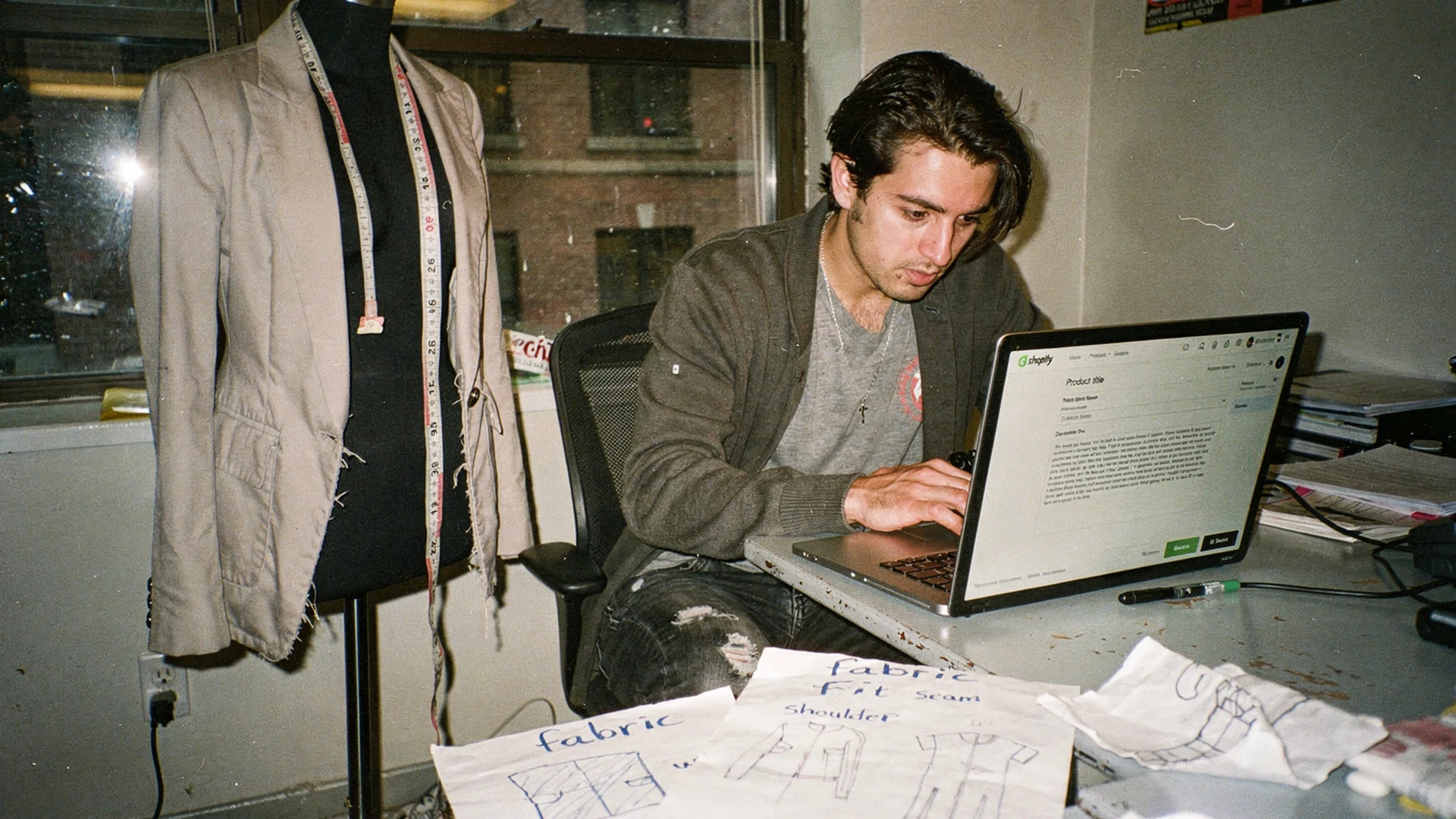
Useful AI copy names what the garment does on a body, not what a thesaurus thinks sounds premium.
What Good Fashion Product Copy Must Include
A useful fashion description answers questions photography hides:
- Silhouette: fitted, relaxed, A-line, body-skimming
- Length: mini, midi, ankle-grazing, cropped
- Fabric hand: crisp poplin vs fluid viscose
- Stretch: none, mechanical, recovery after wear
- Lining: fully lined, unlined, partial
- Opacity: sheer under daylight or office lighting
- Occasion: office, weekend, formal, layer piece
If your AI draft omits three of those on a dress PDP, send it back. Baymard’s apparel research shows shoppers abandon when details feel vague.
AI Drafting Workflow For Lean Teams
Use a repeatable pipeline instead of one-click publish:
- Export structured attributes from your PLM, supplier sheet, or merchandising doc
- Prompt AI with attributes, banned phrases, and return reasons to avoid
- Generate two variants: SEO paragraph + scannable bullet block
- Human edit for fit truth and brand voice
- Publish with product structured data aligned to visible text
- Review returns and reviews after two weeks, feed learnings back into prompts
Small teams should start with ten hero SKUs per fashion content strategy with AI, not entire catalogs.
Prompt Structure That Reduces Returns
Feed models explicit constraints:
Inputs to include: fiber content, garment measurements, model stats in photo, size worn in photo, stretch percentage, care instructions, known fit notes (“runs small in shoulders”).
Outputs to require: one opening sentence with silhouette + length, three bullets on fit and fabric, one sentence on styling, one sentence on care, no invented claims.
Banned patterns: “perfect for any body,” “flattering on everyone,” “luxury feel” without fiber proof, stretch claims without data.
When AI invents stretch, you pay for it in support tickets. Cross-check drafts against why size charts fail and update charts in the same sprint.
Shopify Magic And Third-Party Writers
Shopify’s native AI tools can draft from product fields. Third-party apps like Vizby add catalog-aware blog and description workflows with GEO considerations.
Native tools are fine for basics when metafields are rich. Third-party tools help when you publish at volume and need AI-search-ready structure.
Neither replaces photography or try-on. Words set expectations; preview confirms them. On fit-sensitive SKUs, pair honest copy with Antla virtual try-on so shoppers can validate silhouette after reading.
Merchants using Antla often see shoppers who engage with preview stay two to three times longer on the PDP, which tells you copy and visualization are working together rather than fighting.
SEO Without Thin Duplication
Programmatic description pages tank when every variant differs by one adjective. Google’s helpful content system penalizes mass-produced sameness.
Safe SEO patterns:
- Unique intros per parent product, shared bullets only when variants truly match
- Canonical discipline for color variants with identical fit
- FAQ blocks on parent PDPs for extractable AI search answers
- Internal links to fit guides and cluster content, not keyword stuffing
Link outward to Shopify PDP conversion optimization for fashion when rebuilding template structure.
Bullets Versus Story: Match The Category
Denim shoppers want rise, inseam, leg opening, and stretch recovery in bullets. Occasion dresses may need a short narrative about movement and lining.
| Category | Lead format | Must-have bullets |
|---|---|---|
| Denim | Bullets first | rise, inseam, leg shape, stretch |
| Knit dresses | Story + bullets | length, cling, bra compatibility |
| Blazers | Bullets first | shoulder structure, lining, length |
| Swim | Bullets first | coverage, lining, chlorine note |
Rotate formats across catalogs so pages do not look stamped by one template.
Human Edit Checklist Before Publish
Editors should verify:
- Garment measurements match supplier spec
- Model size in photo matches stated size
- Fabric content matches label
- No superlative claims you cannot defend
- Return-prone phrases from last season removed
- Size chart link visible near size selector
For launch brands, align with fashion product pages that convert before ads.
When AI Descriptions Should Not Lead
Do not lead with AI on:
- Legal-sensitive claims (UV protection, compression medical benefits)
- Collaborations with mandatory brand legal copy
- Categories with high return rates until attributes are verified
- Products under active quality complaints
Fix the product truth first. AI scales honesty well and scales lies faster.
Connecting Copy To Visualization
Copy that says “midi length on a 5’8” frame” still leaves shorter or taller shoppers guessing.
Visualization closes the gap. Try-on users on Antla stores convert 35% higher on average when preview resolves what prose cannot. Returns can drop up to 30% when expectation gaps close before checkout.
Read product photography vs AI virtual try-on to sequence media and copy updates together.
Measuring Copy Quality Beyond Rankings
Track proxy metrics:
- Return reasons mentioning “not as described”
- Review language about fit vs marketing
- Support tickets asking for measurements already in copy
- PDP time on page after copy refresh
If tickets ask for details already in text, layout is wrong, not word count. Move bullets above the fold.
Content Ops Cadence
Monthly: refresh hero SKU copy from return tags
Quarterly: audit banned phrases and AI prompts
Seasonally: rebuild size and length language for new collections
Document prompt versions. Fashion teams forget which prompt produced last year’s disaster copy.
Frequently Asked Questions
Can AI write product descriptions for fashion stores?
Yes, when fed structured fit and fabric attributes and edited by humans before publish. AI should not invent measurements, stretch, or opacity details.
What should fashion product descriptions include?
Silhouette, length, fabric hand, stretch, lining, opacity, and occasion context. Bullets work for denim and tailoring; story plus bullets works for dresses and knits.
Does AI product copy help SEO for fashion?
It helps when each parent product has unique, helpful text and structured data matches visible claims. Mass duplicate variants hurt more than they help.
Should I use Shopify Magic or a third-party AI writer?
Shopify Magic is fine with rich metafields. Third-party tools like Vizby help when you need GEO-aware blogs and catalog-scale workflows with audit trails.
How do product descriptions work with virtual try-on?
Copy sets expectations; try-on confirms silhouette on the shopper. Pair honest AI drafts with Antla on fit-sensitive PDPs to reduce not-as-described returns.
How long should fashion product descriptions be?
Enough to answer fit questions, often 120-200 words plus scannable bullets. Length matters less than accurate attributes shoppers can verify.
Related Guides
- Shopify AI apps for fashion brands
- AI email marketing for fashion on Shopify
- AI search visibility for fashion stores
- Best virtual try-on for Shopify fashion
About the author: Aaron is the founder of Antla. After years of frustrating returns, never looking like the supermodels on product pages, he set out to make fashion personal by helping shoppers see themselves in the outfits they want to buy. He insists AI drafts include fabric and length facts because vague adjectives still show up in return tags.
Drafting hero SKU copy? Pair structured attributes with Antla try-on on the same PDP so words and preview tell the same fit story.