

AI Customer Service for Fashion Ecommerce Brands
AI customer support software for fashion ecommerce: sizing triage, returns bots, WhatsApp handoffs, and when a human stylist still has to take over.

AI customer service for fashion ecommerce sounds like a cost-cutting story. On apparel stores, the real job is harder: answer sizing and fit questions honestly without inventing measurements, and escalate gracefully when a body-specific judgment call is required.
Fashion support is not password resets. It is “I’m 5’4” between sizes, will the petite length work?” and “Is this fabric sheer under office lights?” Bots that guess create returns and chargebacks.
This guide covers where AI support helps, where it hurts, and how to wire handoffs to humans, WhatsApp, and product-page visualization. It links to the AI tools hub for stack context.
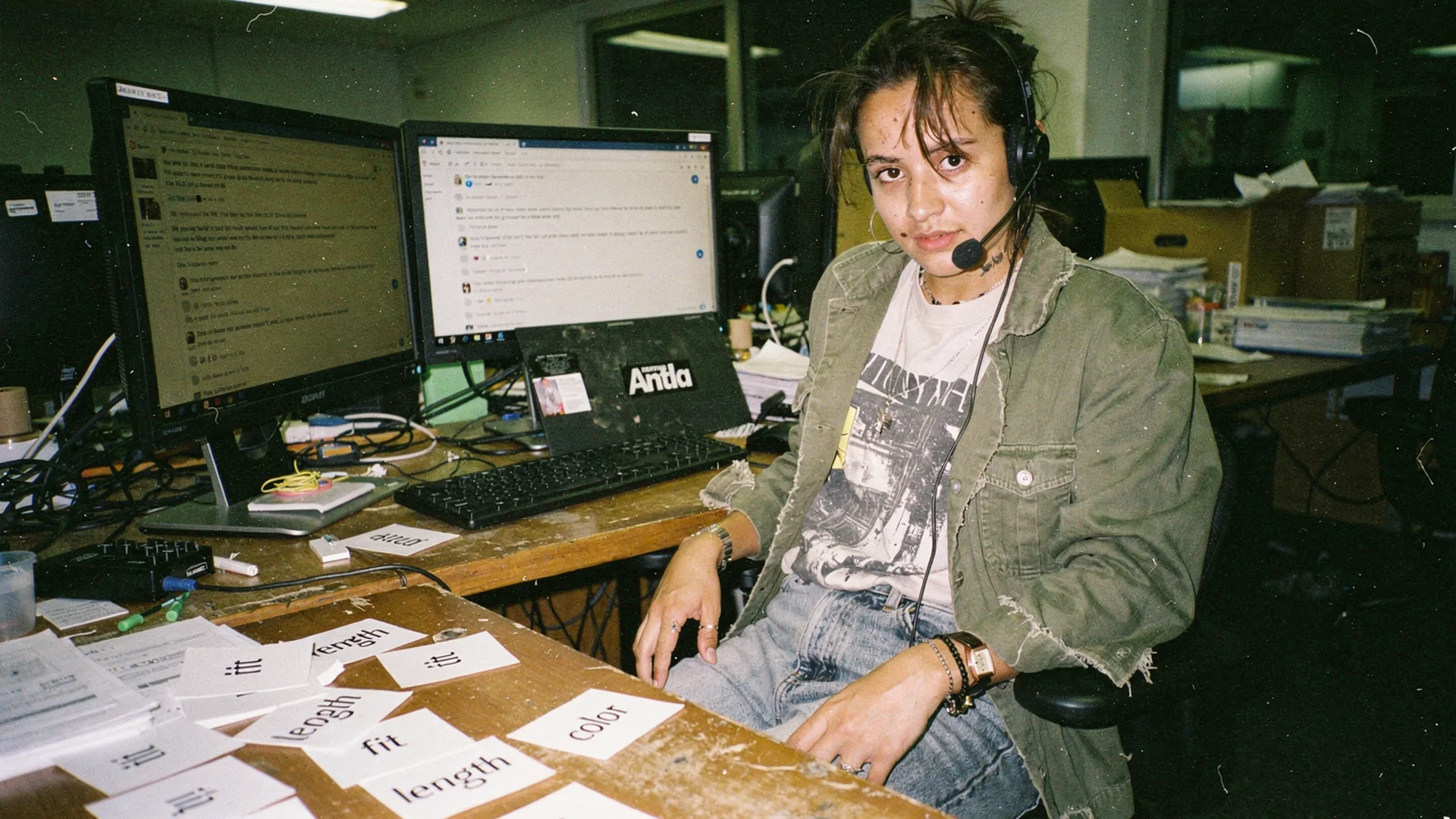
Fashion support AI should triage and summarize, not pretend to be a tailor who has never seen the garment.
What Fashion Shoppers Actually Ask
Pull six months of tickets and tag them. Most fashion stores see clusters:
- Size and fit: between sizes, height, torso length, bra compatibility
- Fabric and care: shrinkage, sheerness, pilling, steam vs wash
- Order status: WISMO, delivery delays, exchange timing
- Returns and exchanges: policy edge cases, international, final sale
- Styling: pairing, occasion, layering
AI handles order status and policy edges well when integrated with Shopify order objects. Fit and fabric need guardrails.
Architecture: Triage, Not Replacement
A sensible fashion support stack has three layers:
- Self-serve PDP assets: size charts, fit notes, photo reviews, try-on
- AI triage: classify intent, pull order data, suggest macros
- Human agents: fit judgment, exceptions, angry customers
Skipping layer one makes layer two expensive. Read Shopify PDP conversion optimization for fashion before you automate chat.
Tools And Channels
Shopify Inbox and native AI features cover basics for small teams.
Dondy fits WhatsApp-native markets where customers expect quick voice-note-friendly replies. Pair with clear sizing macros, not open-ended fashion advice unless trained carefully.
Gorgias, Zendesk, and similar platforms add AI suggest-and-summarize for email and chat when volume justifies cost.
Choose one primary conversation platform. Multiple inboxes duplicate threads and anger shoppers.
Training Data That Must Stay Current
AI support fails when training docs lag reality:
- Size chart PDF from two seasons ago
- Return window changes not reflected in macros
- Fabric content updates after supplier switch
- Preorder dates stale after production delay
Assign one owner to sync knowledge base weekly during launch months. Tie updates to return tag reviews from fashion returns reduction strategy.
Sizing Macros Without Lying
Safe macro pattern:
- Restate garment measurement, not body guess
- Link to size chart and model stats on PDP
- Suggest try-on or photo reviews when available
- Escalate when shopper mentions medical, pregnancy, or adaptive fit needs
Unsafe pattern:
- “True to size” without category context
- Recommending size from weight alone
- Promising stretch that supplier spec does not support
When tickets repeat on the same SKU, fix PDP copy per AI product descriptions for fashion, not macro length.
Deflecting Fit Questions To Visualization
The best support ticket is the one never opened because the PDP answered the question.
Virtual try-on deflects silhouette and length anxiety before chat. Antla customers have seen returns fall up to 30% when preview closes expectation gaps. Try-on users convert 35% higher on average when visualization was the blocker.
Link shoppers from chat macros to PDP try-on when policy allows, rather than guessing hem length in text. See how virtual try-on reduces returns before checkout.
Returns And Exchange Automation
AI can initiate return portal links, explain restocking fees, and confirm exchange inventory. It should not auto-approve exceptions that violate fraud rules.
Integrate return reasons into training weekly. Spikes in “too sheer” or “short in torso” are merchandising signals, not support noise. Feed them to try-on data for merchandising decisions.
NRF return benchmarks remind you that preventable fit returns dwarf shipping delay tickets in margin impact.
Handoff Rules Humans Need
Define explicit escalation triggers:
- Shopper sent three messages without resolution
- Sentiment drop detected
- Final sale dispute
- Alleged allergic reaction or injury
- Social media threat
- Custom tailoring or alteration requests
Fashion brand voice matters on escalation. Templates should sound like your stylists, not a cable company.
Measuring Support AI Without Vanity Metrics
Track:
- First response time (yes)
- Resolution time (yes)
- Return rate on orders that touched AI sizing advice (critical)
- CSAT on fit-tagged threads separately
- Deflection rate to PDP self-serve assets
If return rate rises on AI-advised orders, retrain or shrink scope immediately.
WhatsApp-Specific Notes
WhatsApp shoppers often send photos and voice notes. Dondy workflows should acknowledge media and route to humans when AI confidence is low.
Do not auto-reply with discount codes to every sizing question. You train bracketing behavior. Reference cost of bracketing in fashion returns when training agents.
Security And Privacy
Fashion bots sometimes request body measurements. Store minimally, encrypt at rest, document retention, and never use shopper photos for model training without consent.
Camera-based try-on flows need clear privacy copy. Antla is designed for Shopify fashion with standard OAuth scopes; still review permissions during install per Shopify virtual try-on app evaluation.
Small Team Playbook
Week 1: Tag tickets, publish top ten macros
Week 2: Enable AI suggest on order status only
Week 3: Add sizing macros with PDP links
Week 4: Review return correlation, expand or rollback
Lean teams should read AI automation for small fashion brands before buying enterprise support suites.
Frequently Asked Questions
Can AI handle customer service for fashion stores?
AI handles order status, policy, and triage well. Fit and fabric questions need strict macros, PDP assets, and human escalation when judgment is required.
What is the best AI customer service app for Shopify fashion?
Depends on channel: Shopify Inbox for basics, Dondy for WhatsApp, Gorgias or Zendesk at higher volume. Pair any tool with honest PDP content and try-on on fit-sensitive SKUs.
How do I reduce sizing tickets without hiring agents?
Improve size charts, add photo reviews, deploy virtual try-on on hero categories, and link macros to those assets instead of guessing sizes in chat.
Should AI chat recommend sizes?
Only with explicit guardrails and garment measurements, never from weight alone. Prefer linking to try-on and reviews when available.
Does virtual try-on replace support AI?
No. Try-on prevents fit visualization tickets; support AI still handles orders, returns, and edge cases. Together they reduce load on human stylists.
Continue In This Cluster
- AI email marketing for fashion on Shopify
- Shopify AI apps for fashion brands
- WhatsApp marketing for fashion DTC
About the author: Aaron is the founder of Antla. After years of frustrating returns, never looking like the supermodels on product pages, he set out to make fashion personal by helping shoppers see themselves in the outfits they want to buy. He focuses support AI on sizing truth because wrong automated answers cost more than slow ones.
Sizing tickets piling up? Route repeat fit questions to Antla on your PDPs and keep AI chat for order status and policy.