

AI Inventory Forecasting for Fashion Retail
AI inventory forecasting for fashion retail on Shopify: size curves, seasonal drops, markdown timing, and signals from returns and try-on engagement.

AI inventory forecasting for fashion retail promises fewer stockouts and less dead stock. Fashion makes that hard: size curves shift by silhouette, TikTok spikes ignore last year, and returns inflate apparent demand.
Forecasting tools on Shopify read order history, ad spend, and seasonality. The best merchants feed them return-adjusted demand and size-level signals, not just gross sales.
This ops guide is for merchants buying inventory, not analysts building models. It links to the AI tools hub and shows where PDP data belongs in buy plans.
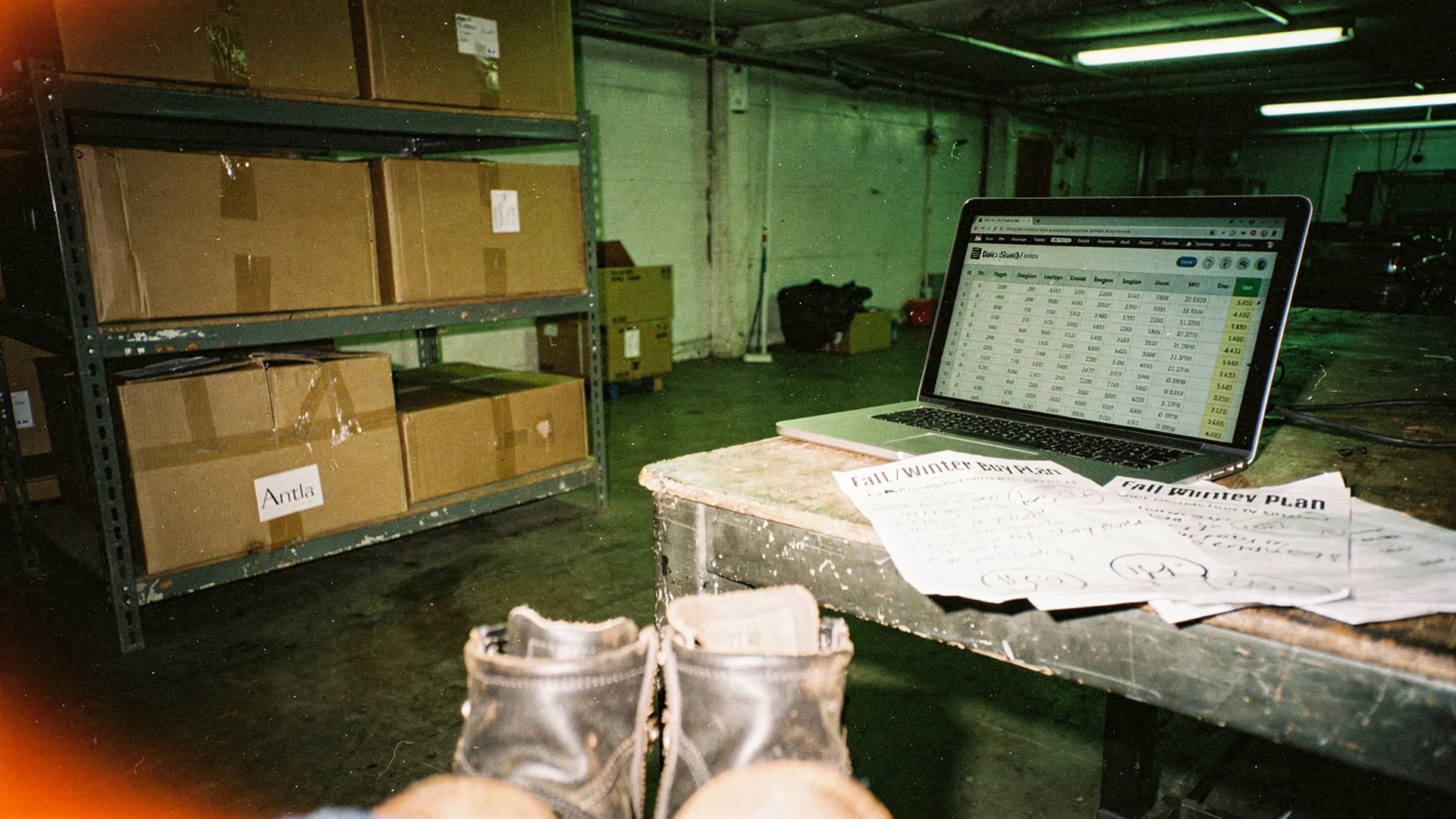
Fashion forecasting fails when returns inflate demand signals and size curves get treated like one number.
Why Fashion Forecasting Differs From Generic Retail
Apparel demand is lumpy:
- Size distribution varies by category and price point
- Color breaks can sell out while parent SKU looks healthy
- Returns arrive weeks after the sale signal
- Influencer spikes distort moving averages
- Preorders and waitlists create phantom intent
AI models trained on aggregate units miss those physics. Start with size-level history per hero style.
Data Inputs Worth Connecting
Minimum viable data pipeline:
- Shopify orders by variant (size/color)
- Returns by reason and variant
- Lead times by supplier
- Markdown dates and depth
- Ad spend by collection (not only ROAS)
- PDP conversion by SKU
- Try-on engagement by SKU where available
Try-on engagement predicts bracketing before returns arrive. High try-on with low conversion may mean buy smaller depth, not more inventory. See try-on data for merchandising decisions.
Tools On Shopify And Beyond
Shopify ecosystem apps (Inventory Planner, Stocky, Cin7, Brightpearl connectors, and others) offer AI-assisted replenishment with varying depth.
Enterprise brands often pipe Shopify into ERP forecasting. SMB brands should pick one ops source of truth before adding AI layers.
No tool fixes bad BOM data. Confirm supplier MOQs and size run constraints before trusting recommendations.
Return-Adjusted Demand
Gross sales overstate true demand when return rates hit 30%+ on dresses.
Build a simple adjustment:
- Take net sales by variant over 90 days
- Add expected return rate by category from tags
- Subtract bracketing orders identified in support notes
- Compare to forecast app output
NRF return data frames industry pressure; your tags should frame your store.
Connect returns strategy from fashion returns reduction strategy on Shopify to buy plans. Lower fit returns stabilize forecasts.
Size Curves And Broken Assortments
AI suggestions like “order more M” fail when your chart runs small in shoulders and M customers return for L.
Review size curves monthly on:
- Denim (waist/inseam matrix)
- Dresses (standard vs petite)
- Tailoring (structured sizes)
Pair ops with PDP fixes: size chart updates, try-on on high-bracket SKUs via Antla, photo reviews via Loox.
When visualization reduces bracketing, size curves normalize. Antla customers have seen returns fall up to 30% on categories where preview closed expectation gaps.
Seasonal Drops And Preorders
Forecasting for drops differs from replenishment basics:
- Waitlist size is intent, not certainty
- Influencer posts create step-change demand
- Cancel rates rise when ship dates slip
Use separate models or manual overrides for drops. Cap buy depth until first wave return data returns.
Markdown Timing With AI Signals
Markdown too early trains customers to wait. Too late traps cash in fabric.
Signals to markdown:
- Sell-through below plan after full funnel exposure
- Rising return rates citing fit or quality
- Try-on engagement collapse on PDP (often creative fatigue, not demand death)
Signals to hold:
- Strong waitlist for restock
- Improving PDP conversion after copy or try-on refresh
- Low inventory with stable full-price sell-through
Merchandising rules in this cluster should align with markdown decisions, not fight them.
Connecting Ops To Marketing
Forecast apps should inform:
- Email back-in-stock priority (which sizes get campaigns)
- Ad spend caps on variants with low inbound supply
- Bundle offers that move slow colors without killing full-price hero SKUs
Misalignment creates ads for SKUs you cannot ship, the fastest way to burn CAC.
KPIs Ops And Marketing Share
| KPI | Ops view | Marketing view |
|---|---|---|
| Sell-through | Weeks of supply | Promo timing |
| Return rate | Buy adjustment | PDP fixes |
| Size-out rate | Reorder priority | Waitlist capture |
| Stockout rate | Supplier escalation | Pause ads |
Review jointly monthly. Siloed KPIs cause bracketing promos on bad buys.
When Not To Trust The Model
Override AI when:
- Supplier confirms fabric change
- Quality issue spike in reviews
- Celebrity wear unexpected spike (unless you can restock)
- Tariff or shipping shock changes landed cost
- Site migration broke analytics for two weeks
Document overrides. Models learn from bad data after migrations.
Small Brand Practical Path
If you buy fewer than 200 SKUs per season:
- Spreadsheet size curves from last two seasons
- One forecasting app for replenishment basics
- Manual drop planning
- Return tags reviewed before reorder
Read AI automation for small fashion brands for sequencing ops AI after PDP quality.
Supplier Reality Checks
Forecasting models assume suppliers behave. Fashion suppliers change fabric composition mid-season, shift MOQ size runs, and stretch lead times when capacity books elsewhere.
Build a supplier exception log your buyer reviews weekly. When a vendor confirms a spec change, pause automated reorders on affected SKUs until PDP copy and size charts catch up. Ops AI cannot outrun a wrong chart on the product page.
Connecting Marketing Spikes To Buy Depth
Influencer and paid spikes fool naive models into oversized reorders. Tag campaigns in Shopify and ad platforms so forecast apps can separate baseline demand from one-week spikes.
If a spike SKU also shows high try-on engagement with weak conversion, the spike may be curiosity, not demand. Fix PDP proof before you buy depth. Product page engagement and conversion quality helps separate traffic quality from inventory mistakes.
Frequently Asked Questions
What is AI inventory forecasting for fashion?
Software that predicts demand and suggests reorders using sales history, seasonality, and signals like returns and marketing spend. Fashion needs size-level and return-adjusted inputs.
Which Shopify apps help with fashion inventory forecasting?
Options include Inventory Planner, Stocky, and ERP connectors like Cin7 depending on scale. Pick one source of truth before layering AI suggestions.
How do returns affect inventory forecasting?
Gross sales overstate demand when return rates are high. Adjust forecasts with net sales and return reasons, especially fit-related tags on hero categories.
Can try-on data improve forecasting?
Yes. Try-on engagement and conversion by SKU reveal bracketing and fit friction before returns post. Use those signals to adjust size curves and buy depth.
When should fashion brands ignore AI forecast suggestions?
Override when suppliers change specs, quality issues spike, analytics break after migrations, or influencer spikes are non-repeatable.
How often should fashion merchants update forecasts?
Review replenishment weekly during peak, size curves monthly, and seasonal buys at least twice before PO lock.
Related Ops And PDP Guides
- Build an AI stack for your fashion store
- Cost of bracketing in online fashion returns
- AI merchandising for fashion ecommerce
About the author: Aaron is the founder of Antla. After years of frustrating returns, never looking like the supermodels on product pages, he set out to make fashion personal by helping shoppers see themselves in the outfits they want to buy. He treats forecasting as a returns problem upstream, not only a warehouse spreadsheet.
Forecasting hero categories? Cross-check demand signals with try-on engagement data on PDPs where fit drives repeat buys.