

Shopify AI Personalization for Fashion Stores
Shopify AI personalization for fashion: collection sorting, recommendation widgets, and onsite relevance without training shoppers to wait for discounts.

Shopify AI personalization for fashion stores promises the right product to the right visitor. Done poorly, it promises the same discounted bestsellers to everyone until your full-price margin disappears.
Personalization is a merchandising lever, not a magic conversion button. It works when catalogs are tagged honestly, PDPs answer fit questions, and rules respect inventory reality.
This guide covers onsite personalization lanes, fashion-specific guardrails, and integration with try-on and reviews. It links to the AI tools hub for Shopify fashion merchants.
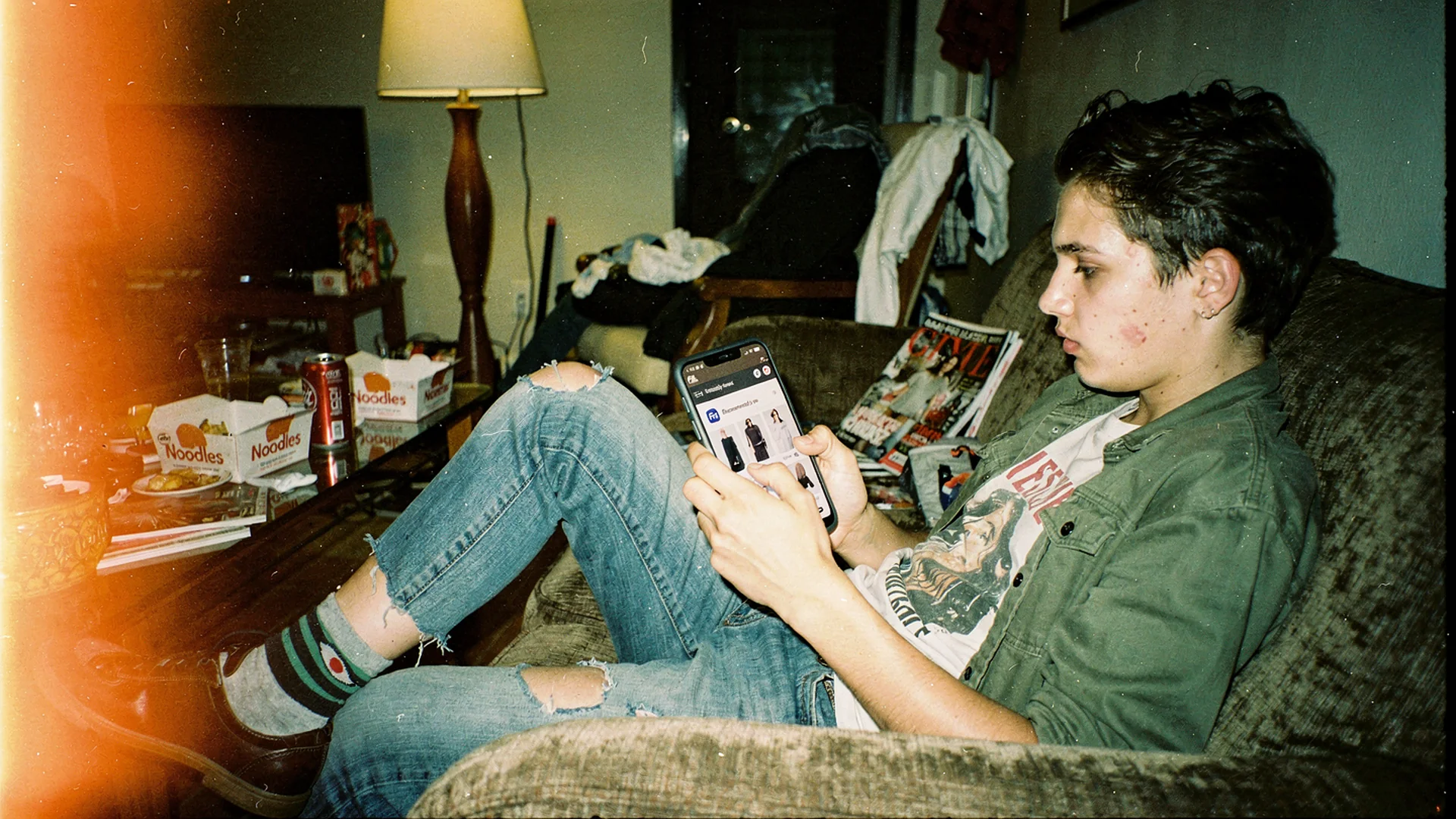
Personalization should shorten the path to honest product pages, not train shoppers to chase dynamic discounts.
What Personalization Means On Shopify Fashion Stores
Common implementations:
- Collection sorting by predicted preference or margin
- Recommendation widgets on PDP, cart, and home
- Search ranking boosts for relevant attributes
- Dynamic content blocks by segment (new vs returning)
- Shopify Plus experiments on personalized journeys
AI personalization reads behavior: views, carts, purchases, sometimes geo and device. Fashion adds complexity because preference is size-dependent and returns skew history.
Start With Problems, Not Vendors
Ask which onsite question personalization should answer:
- “Show me more in the silhouette I browse” (style affinity)
- “Hide SKUs I cannot ship to this region” (ops)
- “Surface new arrivals similar to my last purchase” (repeat)
- “Promote full-price hero SKUs with strong PDP proof” (margin)
If you cannot answer in one sentence, pause tool selection. Read Shopify Plus personalized buying journeys if you are on Plus; many SMB brands need simpler sort rules first.
Catalog Hygiene Prerequisites
Personalization AI garbage-in-garbage-outs when:
- Tags mix “dress” and “gown” randomly
- Sale items hide in default collections
- Duplicate product pages split behavior signals
- Size out-of-stock variants still appear in recommendations
Fix taxonomy before algorithms. Merchandising and personalization teams should share one tag owner so sorts and modules do not fight each other.
Fashion Guardrails That Protect Margin
Hard rules merchants should enforce:
- Cap discount SKU exposure for returning full-price buyers
- Exclude categories under quality review
- Suppress recommenders on final sale unless segment opts in
- Do not recommend sizes shopper returned for fit without PDP fixes
- Boost SKUs with strong photo reviews and updated charts
Loox review counts and photo quality make good merchandising signals for personalization blocks.
Personalization And Fit Visualization
Behavioral personalization cannot solve “will this sit on my hips?” alone.
When personalization surfaces denim or dresses, pair landing experiences with visualization. Antla virtual try-on on those PDPs converts try-on users 35% higher on average when silhouette was the hesitation.
Engagement on personalized paths rises 2-3x when shoppers interact with try-on instead of bouncing between similar static photos.
Route high-intent segments from personalized collection clicks to PDPs with try-on enabled on hero categories per best virtual try-on for Shopify fashion.
Search Personalization And AI Discovery
Onsite search is personalization in disguise. Shoppers typing “petite wide leg” reveal intent text-based recommenders miss.
Improve search with:
- Synonym maps (trousers/pants)
- Attribute filters for length and rise
- No-results pages that suggest fit guides
Offsite AI discovery tools like Vizby complement onsite search by improving how assistants cite your store. See AI search visibility for fashion Shopify stores.
Testing Without Breaking Brand
Run holdout tests:
- 50/50 on collection sort rules for two weeks
- Measure conversion, AOV, return rate, not only CTR
- Segment new vs returning separately
Fashion return rate is the hidden metric personalization vendors skip. A widget that lifts CTR but sends unfit SKUs destroys LTV.
Privacy And Consent
Personalization uses cookies and behavioral data. Disclose practices in privacy policy. Respect regional consent requirements.
Do not personalize using sensitive inferred attributes you would not ask a stylist to say aloud in a store.
Plus Versus Standard Shopify
Plus merchants can run sophisticated experimentation and B2B-style segments. Standard stores often win with:
- Manual collection sorts updated weekly
- Simple “customers also viewed” with rules
- Email capture for segments AI cannot see onsite
Do not buy Plus for personalization alone. Fix fashion product pages that convert before ads first.
Integration With Email And Ads
Personalization segments should sync to ESP audiences:
- Viewed category affinity
- Full-price buyers vs discount hunters
- Try-on engagers
Keep offers consistent across onsite modules and lifecycle email flows in this cluster.
When Personalization Should Wait
Wait if:
- Return reasons are dominated by “not as described”
- Hero SKUs lack consistent photography
- Inventory is too volatile for recommendations
- You are mid-migration and analytics are broken
Stabilize PDP truth, then personalize paths to it.
Mobile-First Personalization Checks
Most fashion personalization modules get tested on desktop during vendor demos. Your shopper is on a phone, scrolling with one thumb, often between apps.
Before you trust a sort rule or recommendation block:
- Load collection pages on a mid-tier Android device, not only the latest iPhone
- Confirm recommendation carousels do not push variant pickers below the fold
- Check that personalized badges remain readable on small screens
- Verify lazy-loaded images do not shift layout when modules inject mid-scroll
Mobile friction shows up as high bounce on personalized landing paths even when desktop tests look fine. Pair mobile QA with Shopify PDP conversion optimization for fashion when module CTR rises but conversion falls.
Returning Visitor Modules
Returning shoppers behave differently from cold traffic. They may need restock prompts, new arrivals in a silhouette they already bought, or service messages about exchanges in flight.
Segment modules accordingly:
- Cold traffic: category discovery and editorial pins
- Warm traffic: recently viewed with fit-proof PDPs
- Recent buyers: care content and review requests before upsell
- Lapsed buyers: win-back with honest newness, not perpetual discount codes
Personalization that treats every return visitor like a first-time prospect trains margin erosion. Hold out a control group monthly to confirm modules help LTV, not only session depth.
Frequently Asked Questions
What is Shopify AI personalization for fashion?
Onsite systems that sort collections, recommend products, and tailor content using shopper behavior. Fashion needs guardrails for size, returns, and margin protection.
Do I need Shopify Plus for personalization?
Plus enables advanced experiments, but many brands start with manual sorts, rule-based recommendations, and clean tags on standard Shopify.
Can personalization reduce fashion returns?
It can when rules avoid recommending misfit SKUs and surface PDPs with strong fit proof, reviews, and try-on. CTR alone is a misleading success metric.
How does virtual try-on work with personalization?
Personalization brings shoppers to relevant SKUs; try-on helps them evaluate fit on those SKUs. Enable try-on on categories your personalization modules promote most.
What data does fashion personalization need?
Clean product tags, variant availability, purchase and return history, and behavioral events. Fix catalog hygiene before trusting algorithmic sorts.
Continue Reading
- Shopify AI apps for fashion brands
- Product page engagement and conversion quality
- AI merchandising for fashion ecommerce
About the author: Aaron is the founder of Antla. After years of frustrating returns, never looking like the supermodels on product pages, he set out to make fashion personal by helping shoppers see themselves in the outfits they want to buy. He tests personalization holdouts on return rate because click-through alone lies on fit-sensitive catalogs.
Personalizing collections? Surface SKUs with Antla try-on on high-fit-variance categories before generic bestseller sorts.