

Halo Effect in Product Photography and Virtual Try-On
Attractiveness bias and the halo effect distort fashion ecommerce judgments. How Shopify merchants reduce expectation gaps with honest imagery and try-on.

Stunning model photography lifts add-to-cart. It can also lift expectations past what the garment delivers on a real body in real light. That is the halo effect: one strong positive impression, usually visual, spills into unrelated judgments about quality, fit, and value.
Edward Thorndike named the pattern in 1920 when raters could not separate specific traits from overall impression. On fashion PDPs, the halo often wears perfect lighting and a 5’10” model.
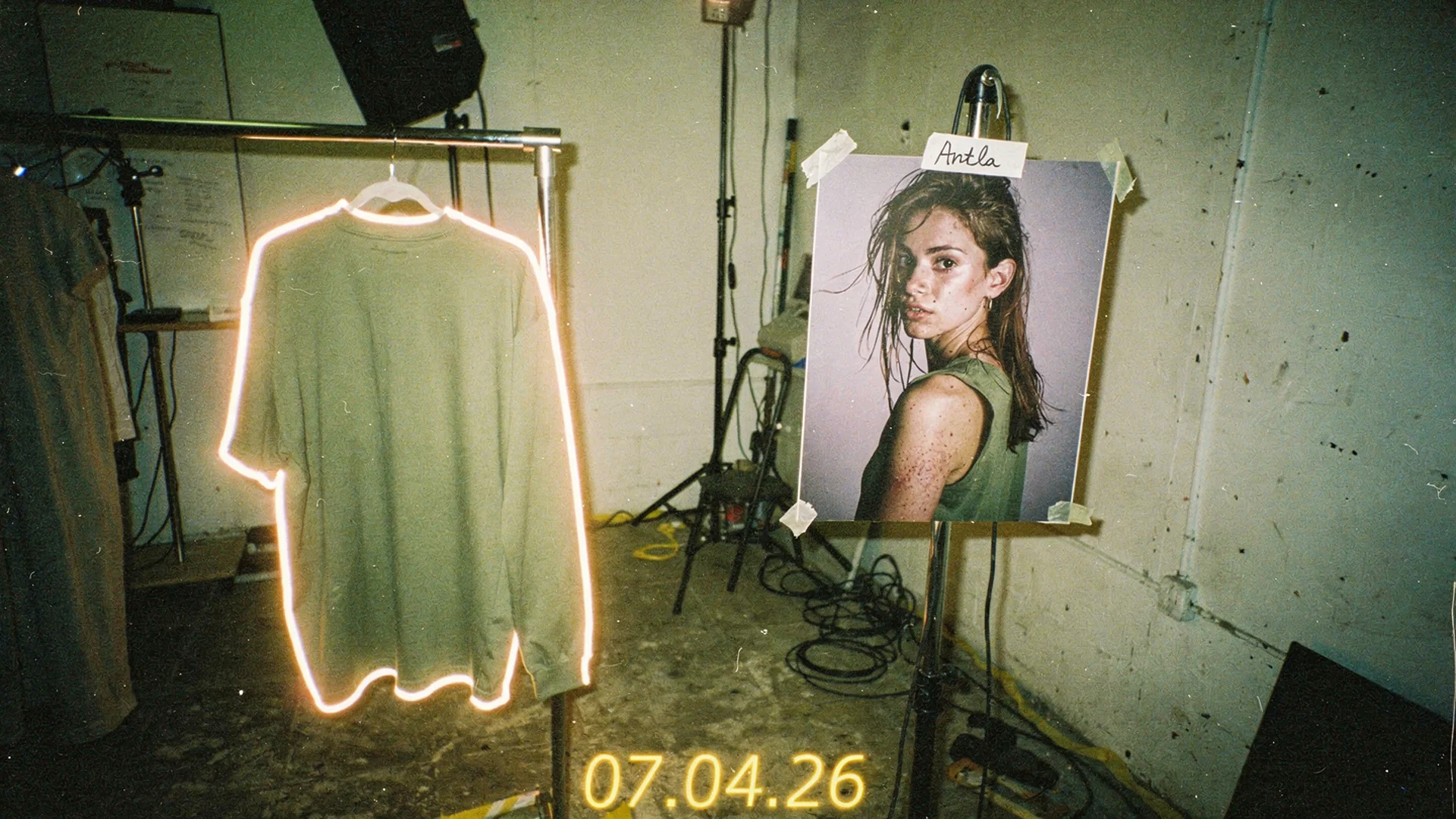
Polished hero shots can inflate perceived quality and fit. Self-referenced try-on grounds expectations on the shopper’s own image.
What Is the halo effect in ecommerce product photography?
The halo effect in ecommerce product photography is a cognitive bias where positive impressions from attractive or polished product images increase unrelated judgments, such as perceived fabric quality, fit likelihood, and brand trust. In fashion, an appealing model photo can make shoppers expect universal flattery, increasing post-purchase disappointment when reality differs.
Classic Research: One Good Trait Colors The Rest
Thorndike’s 1920 study documented “a constant error in psychological ratings” in the Journal of Applied Psychology. Evaluators’ global impression of a person inflated ratings on separate traits. Modern reanalysis in PMC on the halo effect still treats over-correlation of judgments as central to the phenomenon.
Nisbett and Wilson (1977) showed people are often unaware their global impression altered specific evaluations. Shoppers believe they judged seam quality independently when hero styling already convinced them the piece is “premium.”
For merchants, the unawareness is the risk. You optimize for click-through with peak halo. Returns arrive when secondary traits (drape on a mid-size body, true color in apartment lighting) fail to match the glow.
How Halo Shows Up On Fashion PDPs
| Halo source | What shoppers over-infer | Return trigger |
|---|---|---|
| Elite model | Garment will flatter any body | Fit or length mismatch |
| Heavy retouching | True color and texture | ”Shade off” or “cheaper feel” |
| Studio lighting | How fabric behaves outdoors | Sheer or cling surprises |
| Styling props | Versatility for daily wear | ”Only works styled” |
| Influencer gloss | Brand consistency at home | Expectation gap |
None of this argues against beautiful photography. It argues for calibrated photography plus preview that transfers judgment to the shopper’s context.
Halo vs Helpful Aspiration
Aspiration sells fashion. Misleading aspiration sells returns.
Healthy aspiration shows the garment’s best honest angle on diverse bodies. Unhealthy halo hides tradeoffs: cling, sheerness, shoulder width, ankle pooling.
Tactics:
- Publish unretouched color reference frames
- Show at least one non-styled angle
- Include short fit notes where cut runs small or long
- Pair hero shots with customer photos when available
- Add try-on so the shopper applies halo to themselves, not a stranger
Baymard apparel UX research highlights missing fit context and weak imagery as chronic issues. Halo management is fit context management.
Virtual Try-On As Halo Corrector
Try-on moves evaluation from “this model looks incredible” to “do I look credible in this?” Self-referenced preview does not eliminate bias, but it changes the reference point.
Psychologically, the shopper replaces one halo-bearing image with a personalized simulation. Expectations anchor to their face, shoulders, and proportions. Returns citing “not on me” often fall when that anchor shifts before payment.
Antla data from fashion merchants: try-on users frequently convert 35% higher on average; engagement can run two to three times longer on PDPs with preview enabled. When halo inflated misfit expectations, returns have dropped by up to 30% after try-on rollout on targeted SKUs.
Connect to mirror, self, and fit confidence and post-purchase regret.
Photography Team Brief: Reduce False Halo
Share this with creative:
- Label styling when pins, clips, or tape alter fit
- Shoot multiple body types for hero categories, not only one sample size
- Macro honesty for pilling-prone or delicate fabrics
- Video beats filter for movement and transparency
- Match ad landing to PDP first frame
Cross-read product photography vs AI virtual try-on for layering studio assets with preview.
Halo In Reviews And UGC
Five-star averages create secondary halos. One glowing review cluster makes shoppers ignore fit warnings. Moderation is not censorship; highlight reviews that mention length, stretch, and body type.
Shopify product page guidance recommends social proof near decision points. Place nuanced UGC where it informs simulation, not only where it cheerleads.
Category Notes
Evening dresses: Maximum halo risk. Try-on and length notes are essential.
Casual tees: Lower halo, higher color truth needs.
Outerwear: Shoulder structure halo is common. See shoulder structure and blazer fit.
Jewelry: Model ear and neck proportions distort scale. Why shoppers want to see earrings on themselves applies halo logic at small scale.
Processing Fluency Overlap
Easy-to-process images feel more true. Processing fluency on fashion PDPs explains why cluttered galleries undermine trust even when individual shots are beautiful.
Returns Strategy When Halo Drives Regret
Tag returns mentioning model comparison or “not as expected.” If share exceeds baseline, audit hero assets before discounting.
Framework: virtual try-on reduces returns before checkout, cognitive dissonance and expectation gap, and the overview on psychology of virtual try-on.
Rollout: best virtual try-on for Shopify fashion.
Team Workflow: Creative, Merch, And CX
Halo management is cross-functional. Creative owns truthful representation. Merchandising owns which SKUs get diverse on-body shots vs flat lays. Customer experience owns return tags that surface halo-driven language.
Run a quarterly review on SKUs with elevated “not as expected” rates:
- Compare hero image styling to average customer photo reviews
- Ask whether try-on was available at time of purchase
- Check if ad creative exaggerated motion or lighting vs PDP
- Verify whether new colorways inherited old hero assets
When a SKU fails twice in one season, treat it as a halo calibration problem before blaming traffic quality. Fashion returns by category benchmarks helps set realistic baselines by vertical.
For paid social, require landing PDP parity: if the ad shows full-length movement, the first mobile frame should not crop the hem. Visual dissonance between channels creates a secondary halo that collapses at delivery.
Frequently Asked Questions
What is the halo effect in product photography?
It is when positive impressions from attractive or polished images inflate unrelated judgments about quality, fit, or value. Thorndike documented the bias in 1920; fashion PDPs trigger it when model photos set unrealistic expectations.
Does beautiful photography increase fashion returns?
It can, when shoppers infer universal fit or premium feel from styling alone. Returns often cite mismatch with how the item looked on the model. Calibrated photography plus self-referenced try-on grounds expectations.
How does virtual try-on reduce the halo effect?
Try-on shifts evaluation from a model’s appearance to the shopper’s own image, anchoring expectations before checkout. It does not replace honest photos but reduces ‘not on me’ surprises when halo inflated confidence.
Should merchants use less attractive models?
Use diverse, honest representation rather than less attractive casting. Show real drape, multiple bodies, accurate color, and preview tools. The goal is accurate simulation, not reduced aspiration.
About the author: Aaron is the founder of Antla. After years of frustrating returns and never looking like the models on product pages, he built Antla so Shopify fashion shoppers can preview garments on themselves before checkout. He warns merchants when studio lighting sells clicks but creates expectation debt at delivery.
Beautiful photos sell clicks; honest preview sells keep rates. Install Antla on Shopify and test virtual try-on on SKUs where returns say the item looked better on the model.