

Mirror, Self, and Fit Confidence in Fashion Ecommerce
Self-referencing and mirror psychology explain why shoppers need to see garments on themselves. Shopify tactics with virtual try-on for fit confidence.

The fitting-room mirror is not a neutral surface. It is where shoppers negotiate identity: professional enough, relaxed enough, bold enough, covered enough. Fashion purchases bind to self-concept faster than spec sheets admit.
Online, the mirror is missing. Model photography shows an idealized other. The shopper must mentally graft the garment onto a remembered image of themselves, often outdated after weight change, haircut, or lifestyle shift. That graft fails silently as hesitation.
Virtual try-on returns a mirror analog to the PDP: imperfect, but self-referenced.
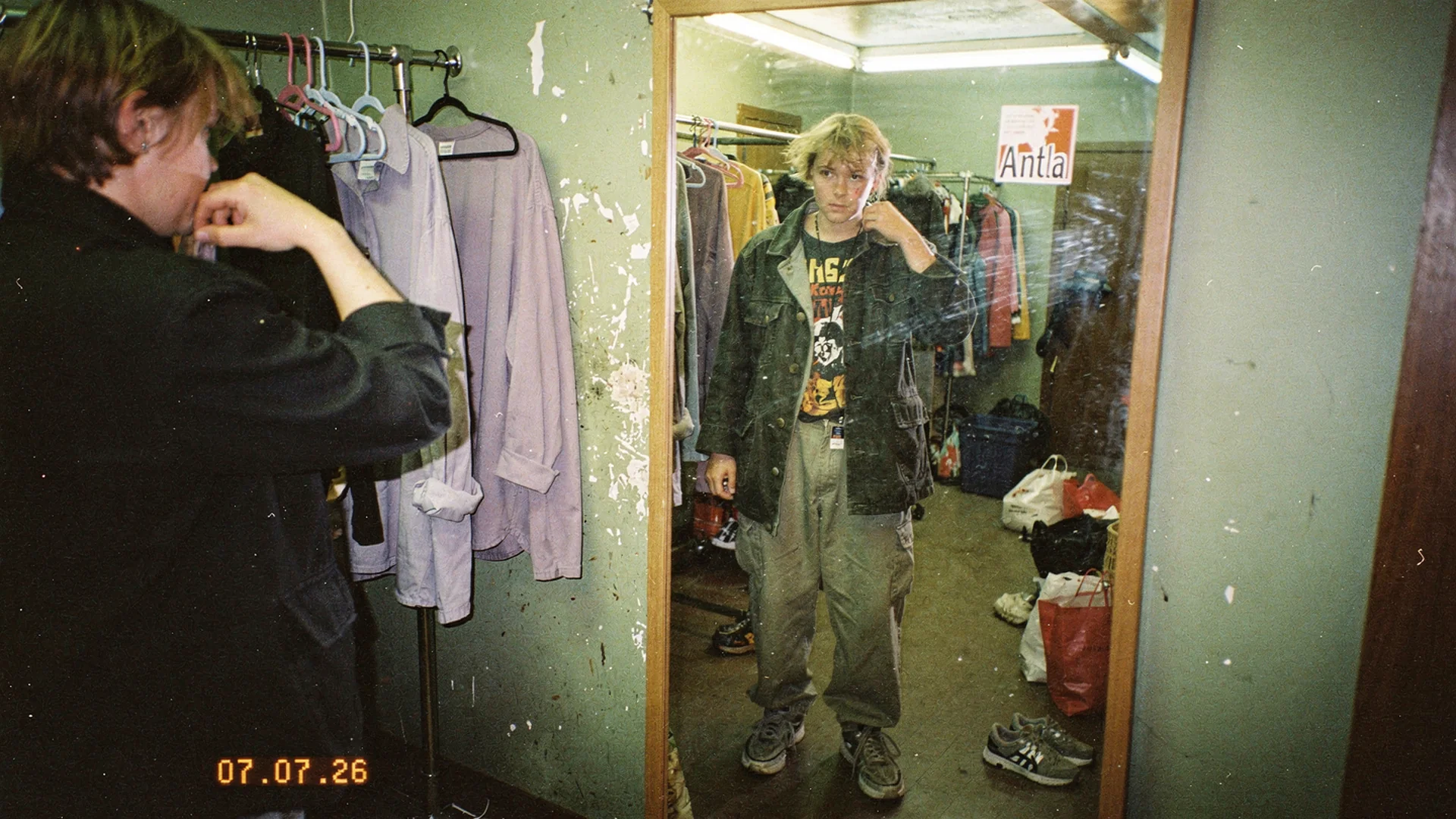
Fit confidence depends on seeing the garment on oneself, not only on a model whose proportions differ.
What Is fit confidence in online fashion shopping?
Fit confidence in online fashion shopping is the shopper’s belief that a garment will suit their body, style, and occasion before purchase. It draws on self-referencing and mirror-like preview rather than abstract size labels alone, and it strongly predicts conversion and return behavior.
Self-Reference Beats Generic Ideal
Social psychology long distinguishes self-relevant processing from generic evaluation. Fashion is inherently self-relevant: the buyer wears the outcome in public.
Model photos answer “what is the product?” Self-preview answers “what is the product on me?” That second question controls fit confidence for dresses, blazers, denim, and swim.
Without self-reference, shoppers lean on risky proxies:
- Ordering their usual size from a different brand
- Bracketing two sizes (cost of bracketing)
- Trusting reviews from bodies unlike theirs
- Delaying purchase indefinitely
Mirror Neurons Lite For Merchants
Neuroscience debates aside, merchants can use a practical mirror model:
- Shopper sees body representation
- Garment overlays on that representation
- Brain compares to desired self-image
- Confidence rises or doubt triggers exit
Try-on step two is what Antla provides on Shopify fashion PDPs. No-code setup works across themes via the Antla app.
Categories Where Self-Reference Matters Most
Midi dresses: Waist placement varies by torso length. Model alone hides the issue.
High-rise denim: Rise name does not predict comfort on your hip shape. See rise and length denim fit.
Blazers: Shoulder seam location defines polish. Shoulder structure guide lists failure modes.
Swim and bodysuits: Coverage is identity and modesty. Coverage and transparency guide.
Jewelry: Face and neck scale are self-referenced by definition. Why shoppers want to see earrings on themselves.
Vision And Imagery Foundations
Self-reference sits on vision and mental imagery. Read vision dominates fashion decisions and mental imagery online fashion research for mechanism depth.
Milosavljevic et al. on visual saliency explains why the eye commits before copy. Self-preview makes saliency personal.
Antla Outcomes When Mirror Gap Closes
Fashion merchants using Antla report:
- 35% average conversion lift for try-on users vs non-users
- 2-3x engagement on PDPs with preview enabled
- Up to 30% return reduction when visual mismatch drove returns
- Conversion doubling on some women’s hero SKUs
Rotate stats by cohort; the self-reference mechanism is stable even when magnitude varies.
PDP Copy That Supports Self-Confidence
Try-on plus honest guidance beats try-on alone:
- “Runs narrow in shoulders; size up if between sizes”
- “Midi length hits mid-calf on 5’6” model; use preview for your proportion”
- “Lined bodice; sheer skirt in direct sun”
Fluent presentation matters: processing fluency on fashion PDPs.
Returns When Self-Image Conflicts With Package
Returns saying “not me” or “not my style” are self-concept failures, not always size failures. Post-purchase regret and try-on covers regret reduction.
Operations: virtual try-on reduces returns before checkout, fashion returns reduction strategy.
Competitive Evaluation
Compare tools on self-reference quality, not sticker aesthetics: best virtual try-on Shopify fashion, AI virtual try-on ecommerce explainer.
Hub: psychology of virtual try-on.
Support And Review Signals
Customer support transcripts reveal fit-confidence language before returns finalize: “I didn’t think it would look like that on me” or “The model made it seem easier to wear.” Train agents to mention try-on on future orders when the shopper’s body type differs from catalog defaults. Photo reviews from buyers with diverse proportions also strengthen self-reference for the next visitor without replacing personal preview.
Google helpful content guidance rewards pages that resolve real shopper problems. Self-referenced try-on is a concrete resolution for the most common fashion PDP failure mode: buying for someone else’s body by accident.
Storefront Merchandising And Self-Concept
Collection pages set self-concept before the PDP does. If every collection thumbnail uses the same body archetype, shoppers arrive pre-calibrated to doubt. Rotate on-body thumbnails across size bands where possible, then reinforce with try-on on the PDP.
For occasion-based shops (workwear, vacation, event dressing), self-concept pressure is higher. Shoppers ask not only “does it fit?” but “am I allowed to look this way in that room?” Preview reduces identity risk by making the question visual rather than abstract.
Test copy that names the occasion honestly: “Office-appropriate with sneakers” vs “Black-tie.” Precision reduces regret more than aspirational vagueness when self-concept is on the line.
Athleisure And Casual Categories Still Need Self-Reference
Founders sometimes assume only formal or occasion wear needs mirror psychology. Casual categories fail when shoppers imagine “effortless” on a model but see “sloppy” on themselves. Loungewear, athleisure, and oversized tees all carry identity stakes.
Show drape on multiple torsos, offer try-on on hero colors, and use UGC that reflects real apartments, not only studio perfection. Which fashion categories need virtual try-on ranks priority, but self-concept applies broadly.
B2B And Uniform Categories
Even uniform or workwear purchases carry self-image weight: “Do I look competent?” Preview helps corporate buyers ordering online for teams when try-at-home is unavailable. Bulk flows still benefit from single-SKU try-on demos embedded in spec PDFs or PDPs linked from procurement portals.
Document which corporate accounts requested preview in sales notes. Self-concept objections appear in B2B orders too, not only DTC carts.
Frequently Asked Questions
Why does fit confidence require seeing yourself in the garment?
Fashion purchases are self-relevant. Model photos show an idealized other; shoppers need mirror-like preview to judge proportion, coverage, and identity fit on their own body.
Does virtual try-on improve fit confidence on Shopify?
Yes, when preview accurately shows garment placement on the shopper’s photo and pairs with size charts. Antla merchants report higher conversion and lower visual-mismatch returns on try-on cohorts.
Is fit confidence the same as size confidence?
No. Size confidence is label selection. Fit confidence includes silhouette, length, coverage, and style identity. Try-on addresses visual fit; charts address numeric fit.
Which categories gain most from self-referenced preview?
Dresses, denim, blazers, swim, and jewelry show strong gains when returns cite ‘not on me’ or scale uncertainty. See Antla fit playbooks for category-specific variables.
About the author: Aaron is the founder of Antla. After years of frustrating returns and never looking like the models on product pages, he built Antla so Shopify fashion shoppers can preview garments on themselves before checkout. He cares about self-referenced preview because model photography rarely matches the shopper’s proportions.
Fit confidence starts with self-preview. Explore Antla virtual try-on on categories where shoppers ask if the cut works for their body.