

Virtual Try-On vs Size Charts for Fashion Ecommerce
Compare virtual try-on vs size charts for fashion ecommerce: what each solves, where charts fail, how to combine both on Shopify PDPs, and impact on returns.

Virtual try-on vs size charts is a comparison between body measurements and personal preview on fashion PDPs.
Size charts and virtual try-on both promise fit confidence. They fail for different reasons and win in different moments.
Charts translate numbers. Try-on translates appearance. Fashion shoppers need both, but not in the way most PDPs deliver charts today.
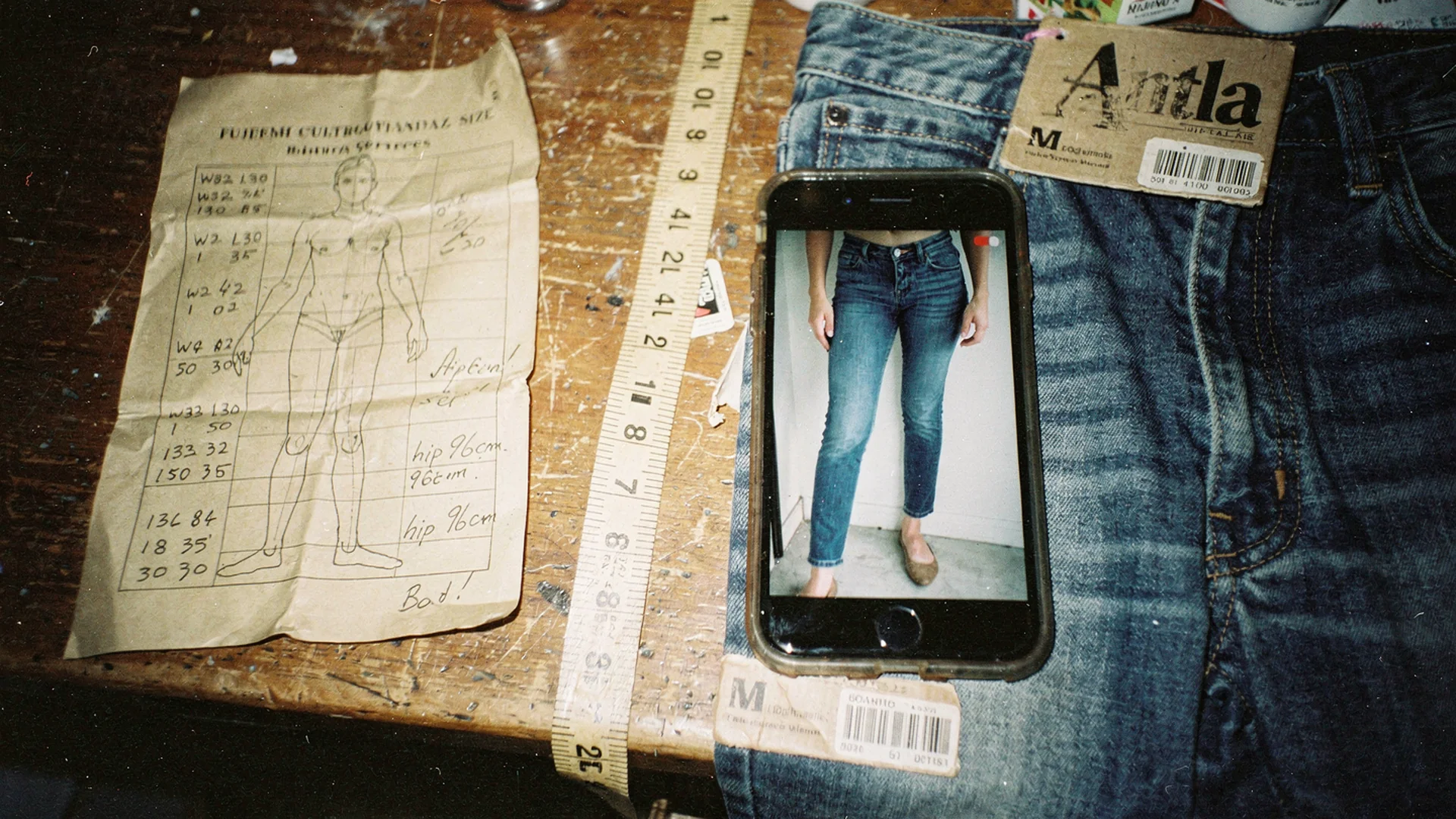
Size charts give numbers. Try-on shows outline on the shopper.
What Size Charts Do Well
Charts excel when they document garment measurements with consistency:
- Chest width laid flat
- Shoulder seam to seam
- Inseam and outseam
- Front rise and leg opening
- Length from shoulder to hem
For merchants, charts are cheap to maintain and SEO-friendly. They also support accessibility better than image-only flows if formatted clearly.
Baymard apparel research still finds sizing support critical on apparel PDPs. Charts belong in the stack.
Where Size Charts Break
Charts fail when they become body measurement guesswork without garment context:
- “Size M fits bust 36-38” with no ease noted
- Denim rise described only in adjectives
- One global chart across silhouettes that fit differently
- CM and inches mixed without clear labels
- Model stats without garment size worn
Our cluster 03 deep dive why size charts fail Shopify fashion maps failure modes to return reasons.
Charts also cannot show drape, ** cling**, shoulder drop, or hem break on wide-leg pants. Shoppers infer those from experience, often incorrectly.
What Virtual Try-On Adds
Virtual try-on answers the mirror question: How might this look on me?
With Antla virtual try-on, Shopify shoppers preview fit cues charts omit:
- Silhouette relative to their shoulders and hips
- Dress length against their torso
- Neckline and coverage
- Overall volume of outerwear
Try-on users on Antla stores often convert 35% higher on average and stay on PDPs two to three times longer, suggesting charts alone were leaving hesitation on the table.
Returns can fall up to 30% when try-on closes expectation gaps that charts never addressed.
Comparison Table: Charts vs Try-On
| Question | Size chart | Virtual try-on |
|---|---|---|
| What are garment measurements? | Strong | Indirect |
| How does fabric behave? | Weak unless copy supports | Stronger visual |
| Where does hem fall on me? | Weak | Strong |
| Which size if between sizes? | Moderate | Stronger with chart + preview |
| Mobile usability | Often poor tables | Camera/upload UX dependent |
| Maintenance cost | Low | App subscription |
| Returns impact | Indirect | Direct when fit-led |
Neither row wins alone. The combination wins.
The Combined PDP Pattern
Merchandisers should stack layers in this order:
- Honest photography with movement and length context
- Garment measurement chart per silhouette family
- Fit notes (“runs short in torso”, “firm through hip”)
- Virtual try-on invite near size selection
- Reviews filtered by height/size when available
Product photography vs AI virtual try-on covers layer one and four cooperation.
Category-Specific Guidance
Denim: Charts must list rise, inseam, leg opening. Try-on shows leg break and seat fit. Bracketing drops when both align. See cost of bracketing.
Dresses: Chart bodice length separately from hem. Try-on shows waist placement.
Blazers: Shoulder and sleeve length drive returns. Try-on highlights shoulder seam position.
Swim and intimates: Coverage matters more than numeric charts. Try-on plus explicit coverage copy wins.
Knits: Stretch changes size tolerance. Chart should note fabric percent and fit intent (fitted vs relaxed).
When Charts Should Lead
Lead with charts when:
- Shoppers buy for someone else with known measurements
- B2B or uniform orders need numeric repeatability
- Product is standardized with low variance
Still add try-on for DTC self-purchase paths if returns cite fit.
When Try-On Should Lead
Lead with try-on when:
- Returns say “looked different” or “too short/long”
- Bracketing is common
- Mobile traffic dominates
- Category is visually fit-sensitive
Implementation: add virtual try-on to Shopify and no-code setup.
SEO And Helpful Content Angle
Charts can rank for sizing queries if unique per product. Try-on pages earn engagement signals.
Google helpful content guidance favors pages that satisfy intent. A chart-only PDP that leaves appearance unanswered is thin for self-fit intent.
Do not duplicate manufacturer charts across 200 SKUs without garment-specific edits. That pattern hurts trust and SEO.
Measuring The Combo
Track separately:
- Size guide clicks
- Try-on starts
- Conversion by path (chart only, try-on only, both)
- Returns citing size vs appearance
If try-on users still return for “too small,” your chart may be wrong. If returns say “looked different,” photography or try-on fidelity may need work.
Try-on data for merchandising closes the loop.
Vendor And Stack Notes
Choose try-on that respects your chart placement, not apps that hide sizing behind full-screen AR.
Antla integrates at the PDP layer for Shopify fashion without replacing your chart tabs. Evaluate apps via Shopify virtual try-on app guide and the best try-on hub.
Operator Rule Of Thumb
Use size charts when the shopper knows their body measurements and the chart lists garment dimensions. Add try-on when returns cite flattering, length, or silhouette language more often than pure size mismatch. Most high-fit-variance Shopify fashion catalogs need both.
Merchandising Copy That Helps Both Tools
State garment ease and length on the PDP even when try-on is live. Shoppers who trust numbers first will still read the chart. Shoppers who trust mirrors first will still open try-on. One sentence on intended fit shape reduces load on both systems.
When returns cite “wrong size” but support notes say the garment matched the chart, you likely have a silhouette or length problem. Try-on addresses that gap; the chart alone cannot.
Frequently Asked Questions
Should I replace size charts with virtual try-on?
No. Keep garment measurement charts and add try-on for appearance and length questions charts cannot answer. Fix inaccurate charts first.
Which reduces returns more, better charts or try-on?
Depends on return reasons. Numeric size errors improve with better charts. Looked different returns improve with try-on and photography. Most stores need both.
Do shoppers use size charts and try-on together?
High-intent shoppers often check measurements then use try-on to confirm length and silhouette. Measure conversion for users who engage with both.
How do I fix charts before adding try-on?
Audit top return SKUs, measure actual garments, document ease, and align chart labels with fit notes. Use the why size charts fail guide for a checklist.
Continue The Fit Cluster
- Virtual try-on reduces returns before checkout
- Fashion returns reduction strategy
- AI virtual try-on in ecommerce
- Virtual try-on pricing and ROI
About the author: Aaron leads Antla and compares size charts and try-on honestly: charts for measurements, preview for shape and length on the shopper.
Use charts and try-on together on hero SKUs. Add Antla virtual try-on and audit charts with why size charts fail on Shopify.