

Visual Working Memory and Size Uncertainty Online
Cognitive load and fit heuristics explain size uncertainty and bracketing online. Shopify merchant tactics including virtual try-on for clearer decisions.

Size charts ask shoppers to hold too many variables at once: brand grading, body measurements, fabric stretch, intended layering, and how last year’s size from a competitor translates. Working memory has limited slots. When the load overflows, shoppers guess, bracket, or leave.
Size uncertainty is partly a math problem and partly a visual working memory problem: the brain cannot maintain a stable image of drape, length, and proportion while also parsing numeric tables on a five-inch screen.
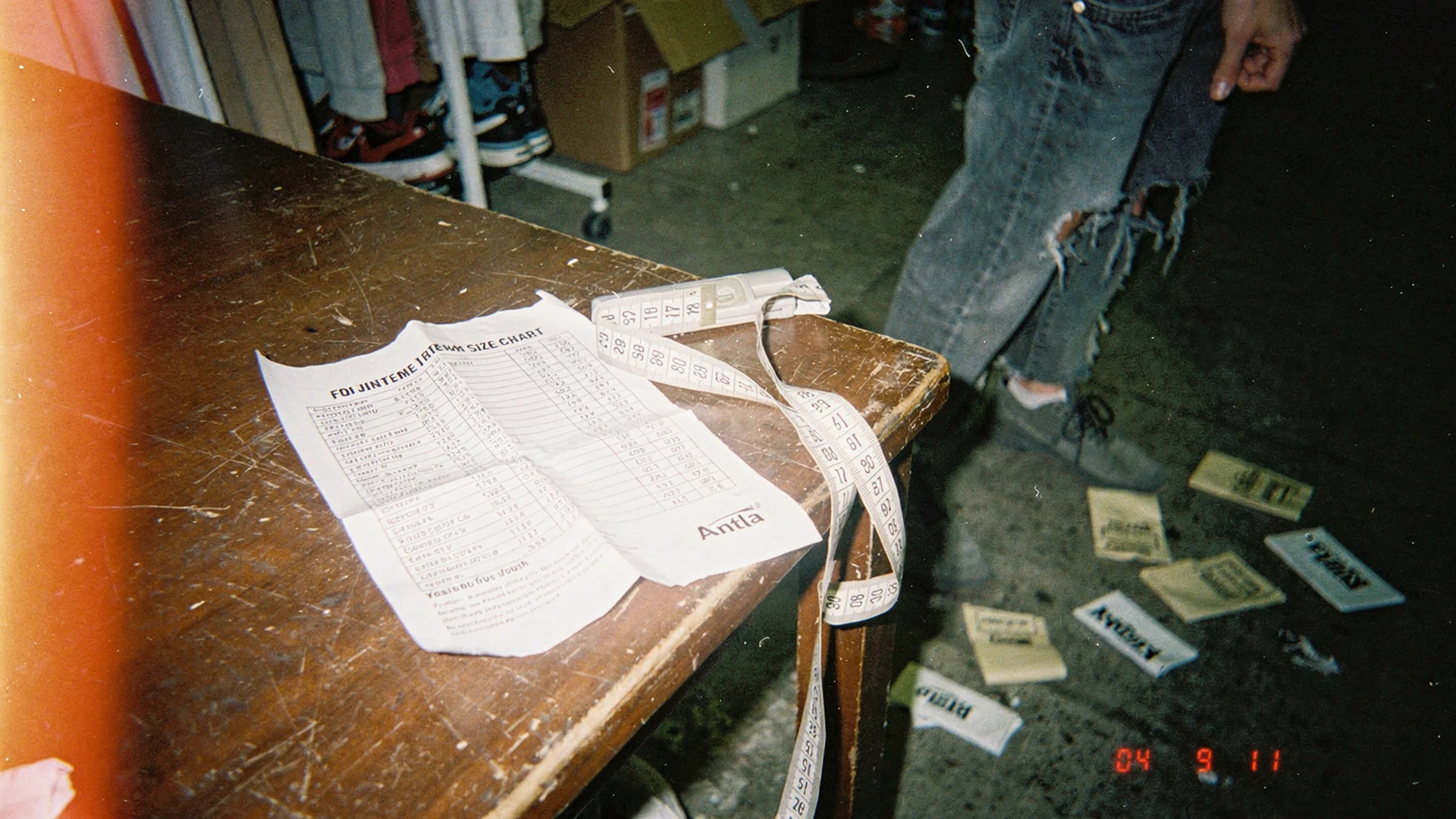
Fit decisions overload working memory when photos, charts, and body memory compete on mobile.
What Is size uncertainty in online fashion shopping?
Size uncertainty in online fashion shopping is the shopper’s inability to confidently map body measurements and brand sizing to expected fit and appearance, often because visual fit variables exceed working memory capacity alongside numeric data.
Working Memory And Fit Heuristics
Cognitive psychology treats working memory as a limited workspace for active information. Fashion PDPs dump simultaneous tasks into that workspace:
- Translate inches to label size
- Compare model stats footnote to self
- Imagine hem length from one photo
- Remember stretch percentage from bullet three
- Recall return hassle cost
When capacity fails, shoppers use heuristics: default size, review skim, or order two sizes. Why size charts fail on Shopify fashion documents chart limits; the cognitive load behind chart failure is below.
Visual Variables Charts Cannot Hold
Charts encode circumference and length numbers. They rarely encode:
- Shoulder drop on structured pieces
- Hip ease on tailored trousers
- Neckline width on petite torsos
- Sleeve break on long arms
- Fabric drape on soft vs firm bodies
Those are visual variables. Silhouette fit uncertainty lists category-specific visual risks. Rise and length denim guide shows numeric labels hiding visual outcomes.
Research Links: Vision And Imagery Load
Visual saliency research shows attention commits to salient features under time pressure, not exhaustive comparison. Mental imagery studies in online fashion show shoppers compensate for missing touch with simulation that also consumes cognitive resources.
When imagery is weak, numeric size becomes a lottery ticket.
Bracketing As Memory Overflow Strategy
Ordering two sizes outsources the decision to post-delivery try-on at merchant expense. Cost of bracketing fashion returns covers economics. Psychologically, bracketing is rational when working memory cannot integrate visual fit.
Virtual try-on removes one visual variable from memory by externalizing the silhouette answer on the shopper’s photo. Size selection may still require charts, but the “how will this look” slot frees capacity for label choice.
Merchant Tactics To Reduce Cognitive Load
Simplify the default path
- One primary size recommendation path, not three competing tools
- Fit summary sentence above chart fold
- Clear “between sizes” guidance
Reduce gallery noise
- Fewer redundant angles; more purposeful views
- Fluent mobile layout per processing fluency on fashion PDPs
Add self-referenced preview
Antla try-on on Shopify gives a visual anchor. Merchants report 35% higher conversion on average among try-on users and 2-3x page engagement when preview replaces guesswork. Returns from visual mismatch can drop up to 30% on targeted rollouts.
Category playbooks
Size Confidence vs Fit Confidence
Size confidence picks a label. Fit confidence picks an outcome. Try-on primarily lifts fit confidence; charts lift size confidence. Together they shrink memory load. Read mirror, self, and fit confidence.
Jewelry: Size Uncertainty At Micro Scale
Ring size charts do not show stone presence on short fingers. Why shoppers want to see earrings on themselves shows visualization beating abstract measurement for some accessory decisions.
Measurement Plan
Track on hero SKUs:
- Bracket rate before vs after try-on
- Size selector abandonment drop-off
- Return reasons citing size vs look
- Conversion by try-on cohort
Try-on data for merchandising helps operationalize results.
Returns And Expectation Alignment
Even correct size can feel wrong if visual expectation differed. Cognitive dissonance and expectation gap covers post-purchase conflict.
Baymard apparel UX highlights sizing and imagery as persistent friction. Fixing fluency and preview attacks both.
Hub: psychology of virtual try-on. Implementation: add virtual try-on to Shopify.
International And Mobile Size Complexity
Global Shopify stores compound working memory load: centimeters vs inches, UK vs US vs EU labels, and model stats in unfamiliar units. Shoppers translate while simulating fit, which increases bracketing.
Mitigations:
- Declare primary market sizing above the fold
- Show localized measurement units with one clear default
- Use try-on to anchor visual outcome while charts handle numeric translation
- Avoid dual-column charts on mobile without horizontal scroll fluency
Why size charts fail on Shopify fashion remains essential reading alongside visual preview.
Plus, Petite, And Extended Size Memory Load
Shoppers outside straight-size defaults carry extra memory load: years of brand inconsistency, altered expectations from tailoring, and scar tissue from bad orders. Try-on plus explicit fit notes for extended ranges signals that the brand simulated their category, not only a sample size.
Merchandising should tag which try-on assets were validated on diverse body inputs. Honesty about limits beats silent failure when working memory already distrusts the chart.
Subscription And Replenish Flows
Basics replenishment (socks, undershirts, simple tees) uses less working memory than fashion-forward SKUs. Do not force try-on where variance is low. Reserve cognitive relief for categories where visual simulation changes outcomes, per which fashion categories need virtual try-on.
When expanding size curves, update charts and preview assets together. Partial updates increase memory load because shoppers must guess which guidance still applies.
Run hallway tests with five shoppers outside your size band. Ask them to pick a size using only the PDP; watch where they stall. That stall point is working memory failing, and it tells you exactly what to simplify first on mobile screens, galleries, and size selectors.
Frequently Asked Questions
What is size uncertainty in online shopping?
It is low confidence mapping measurements and brand sizing to expected fit and appearance. Visual fit variables overload working memory alongside numeric charts, leading to guessing or bracketing.
How does visual working memory affect fashion purchases?
Shoppers must hold photos, chart numbers, and body memory simultaneously. Limited capacity pushes them toward heuristics like default sizes or ordering two sizes.
Can virtual try-on reduce bracketing?
When bracketing stems from visual fit uncertainty, self-referenced preview can reduce two-size orders by externalizing silhouette expectations. Numeric size still requires charts.
What reduces cognitive load on fashion PDPs?
Simplified size guidance, fluent mobile layout, purposeful gallery angles, and try-on near the size selector reduce load compared with redundant images and buried charts.
About the author: Aaron is the founder of Antla. After years of frustrating returns and never looking like the models on product pages, he built Antla so Shopify fashion shoppers can preview garments on themselves before checkout. He treats bracketing as a visual working-memory failure, not a shopper being difficult.
Reduce size guesswork with visual preview. Add Antla try-on where shoppers bracket sizes or abandon at the size selector.