

Virtual Try-On for Clothing Stores: Shopify Fashion Guide
How clothing stores and fashion boutiques use virtual try-on on Shopify: use cases, category fit, rollout order, staff workflows, and ROI for brick-and-click brands.

Clothing stores sell trust in fit, fabric, and style. Online, that trust usually breaks first on the product page, long before a shopper would have asked a associate on the sales floor.
Virtual try-on brings a version of the fitting-room mirror to Shopify PDPs. For boutiques, multi-brand shops, and DTC labels, the question is which categories earn try-on first and how staff workflows change when customers preview at home.
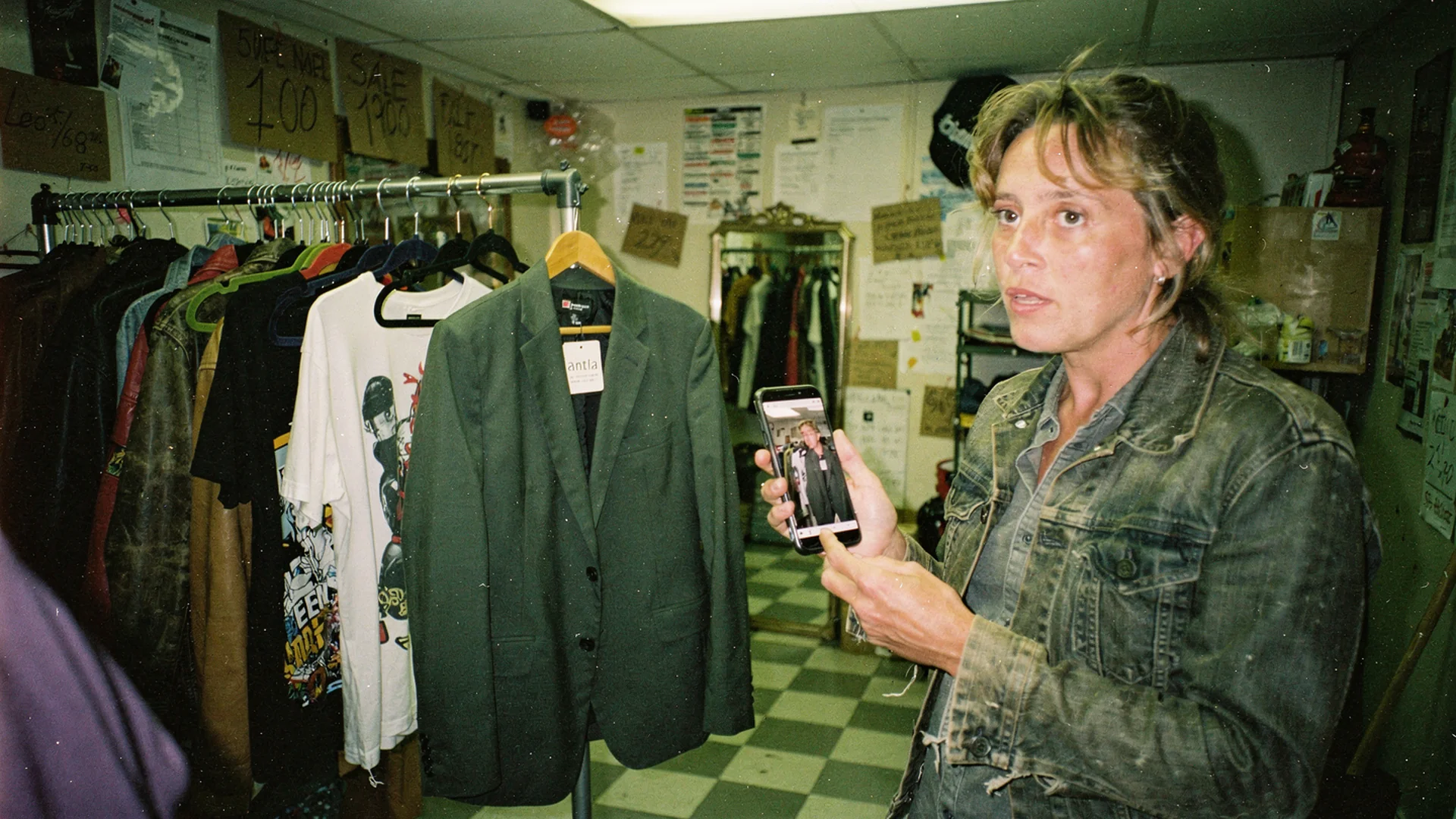
Clothing stores sell shape and proportion online. Try-on anchors the mirror question.
Clothing Store vs Generic “Fashion Brand”
This guide targets merchants whose catalog feels like a clothing store shopper journey:
- Multiple categories on one site (denim, tops, dresses, outerwear)
- Mix of basics and trend SKUs each season
- Repeat customers who remember fit from last order
- Staff who answer fit DMs and emails daily
- Often hybrid: shop online, pick up in store, or reverse
Try-on value rises when the store already competes on curation and fit advice, not only price.
Use Cases By Store Type
DTC single-brand label
Roll out on hero fits that define the brand silhouette. Try-on reinforces positioning (“our wide leg is truly wide”).
Multi-brand boutique online
Prioritize vendors with highest return rates or size variance. Use try-on as curated service, not every SKU day one.
Brick-and-click local shop
Promote try-on in post-purchase emails for online-only SKUs customers cannot try in person. Staff mention it during BOPIS pickup.
Marketplace-style Shopify catalog
Requires strict hero SKU discipline. Start with top 20 revenue SKUs. Try-on merchandising data prevents chaos.
Categories Clothing Stores Should Prioritize
| Department | Try-on value | Notes |
|---|---|---|
| Denim | Very high | Rise, length, seat |
| Dresses | Very high | Hem, waist, bust |
| Blazers | High | Shoulder, sleeve |
| Knit tops | Medium | Drape and length |
| T-shirts | Medium-low | Unless fitted cut |
| Accessories | Low | Unless size-sensitive |
Swim, intimates, and occasionwear belong in wave one if returns hurt margin.
Staff Workflow: Digital Fitting Room
Train customer-facing staff on three scripts:
- Email fit questions: “Use the try-on button on the product page and send us a screenshot if you want a second opinion.”
- Returns prevention: “If length looked off in try-on, check our hem note before ordering.”
- In-store handoff: “This style runs online-only; try-on on your phone before we ship to store.”
Support leads should log whether tickets drop after try-on launch. That qualitative signal matters for boutiques.
PDP Stack For Clothing Stores
Clothing shoppers expect:
- Clear category navigation
- Consistent fit language within a brand on your site
- Photo reviews when possible (Loox-style social proof)
- Size charts with garment measurements
- Virtual try-on on high-risk SKUs
Read fashion product pages that convert before ads before scaling ads to a weak PDP.
Rollout Order (Practical)
Week 1: Denim and dresses with highest returns.
Week 2: Blazers and jumpsuits if sold.
Week 3: Email banner on hero categories mentioning try-on.
Week 4: Review pricing and ROI with owner.
Implementation detail: add virtual try-on to Shopify.
Metrics Clothing Store Owners Watch
- Return rate by department
- Exchange vs refund ratio
- Average units per order (bracketing proxy)
- Repeat purchase within 90 days
- Try-on starts on in-store QR linked PDPs
NRF returns research gives macro context; your POS and Shopify reports give the truth.
Antla merchants report try-on users converting 35% higher on average, staying 2-3x longer on PDPs, and reducing returns up to 30% when expectation gaps drove refunds.
Marketing Try-On Without Cheapening The Brand
Boutiques resist gimmicks. Frame try-on as personal styling infrastructure:
- “Preview before we pack your order”
- “See it on you, not only on our model”
- “Part of our fit promise online”
Avoid clown-filter AR language. Shopify fashion ecommerce content stays brand-led.
For paid and email placement, see AI try-on in paid social and email.
When Clothing Stores Should Wait
Delay try-on if:
- You are still fixing supplier size consistency
- Photography hides length on most SKUs
- You have no bandwidth to monitor metrics monthly
- Catalog is primarily low-fit accessories
Fix size charts first.
Choosing Technology
Clothing stores on Shopify should prefer fashion-specific apps with no-code theme support.
Evaluate with Shopify virtual try-on app guide.
Antla serves 100+ Shopify fashion brands, works on all themes, and focuses exclusively on apparel PDPs.
Hub comparison: best virtual try-on for Shopify fashion.
Returns Strategy Beyond Try-On
Try-on is pre-checkout prevention. Clothing stores still need:
- Clear exchange policy
- Fast refund processing
- Reason codes logged in Shopify or RMS
- Monthly PDP fixes from reason clusters
Full playbook: fashion returns reduction strategy and returns before checkout.
Rollout Sequence For Clothing Stores
Week one: pick five hero SKUs with the highest return rate. Week two: enable try-on on mobile PDPs only. Week three: compare try-on user conversion and bracketing. Week four: expand within the winning category before opening a new one.
Staff Training On The Shop Floor Analogy
If your team already explains fit in store, mirror that language on the PDP. Try-on is the online equivalent of the fitting room conversation, not a replacement for fabric content or care notes.
Track try-on starts on collection pages if your theme allows it. Some merchants see higher quality sessions when shoppers arrive from a product they already shortlisted.
If you operate multiple storefronts, clone the hero SKU rollout pattern per brand rather than enabling try-on everywhere on the same day.
Seasonal catalogs benefit from try-on on new arrivals first, where review volume is thin and shoppers rely on photos alone.
Frequently Asked Questions
Do clothing stores need virtual try-on?
If online fit questions and returns eat staff time and margin, try-on on high-risk categories usually pays off. Boutiques can start with hero SKUs rather than full catalog.
Can virtual try-on help brick-and-click stores?
Yes. Promote try-on for online-only inventory and use QR codes in-store to link shoppers to PDP previews before shipping to home or store pickup.
Which departments should clothing stores prioritize?
Denim, dresses, blazers, and occasionwear first. Add knit tops and outerwear next. Skip low-fit-risk accessories until core categories prove ROI.
How does try-on affect customer service?
Fit tickets should shift toward styling and policy questions if try-on works. Train staff to direct shoppers to try-on and log ticket themes weekly.
More Reads For Store Operators
- No-code virtual try-on on Shopify
- Virtual try-on vs size charts
- Virtual try-on case studies
- Virtual try-on for growing fashion brands
About the author: Aaron built Antla exclusively for Shopify fashion. Clothing store operators come to him for hero SKU rollout and category expansion playbooks.
Run a clothing store on Shopify? Add try-on to hero PDPs with Antla and compare vendors in the best virtual try-on hub.