

Virtual Try-On Case Studies for Fashion Brands on Shopify
Virtual try-on case patterns for Shopify fashion brands: hero SKU rollout, try-on cohort metrics, returns movement, and category expansion.

Case studies matter because virtual try-on vendors all claim magic. What merchants need are repeatable patterns: which categories moved, what changed on the PDP, how long payback took, and whether returns fell for the right reasons.
This article summarizes outcome patterns Antla fashion merchants report, framed as lessons you can test on your Shopify store rather than as unattributed hype.
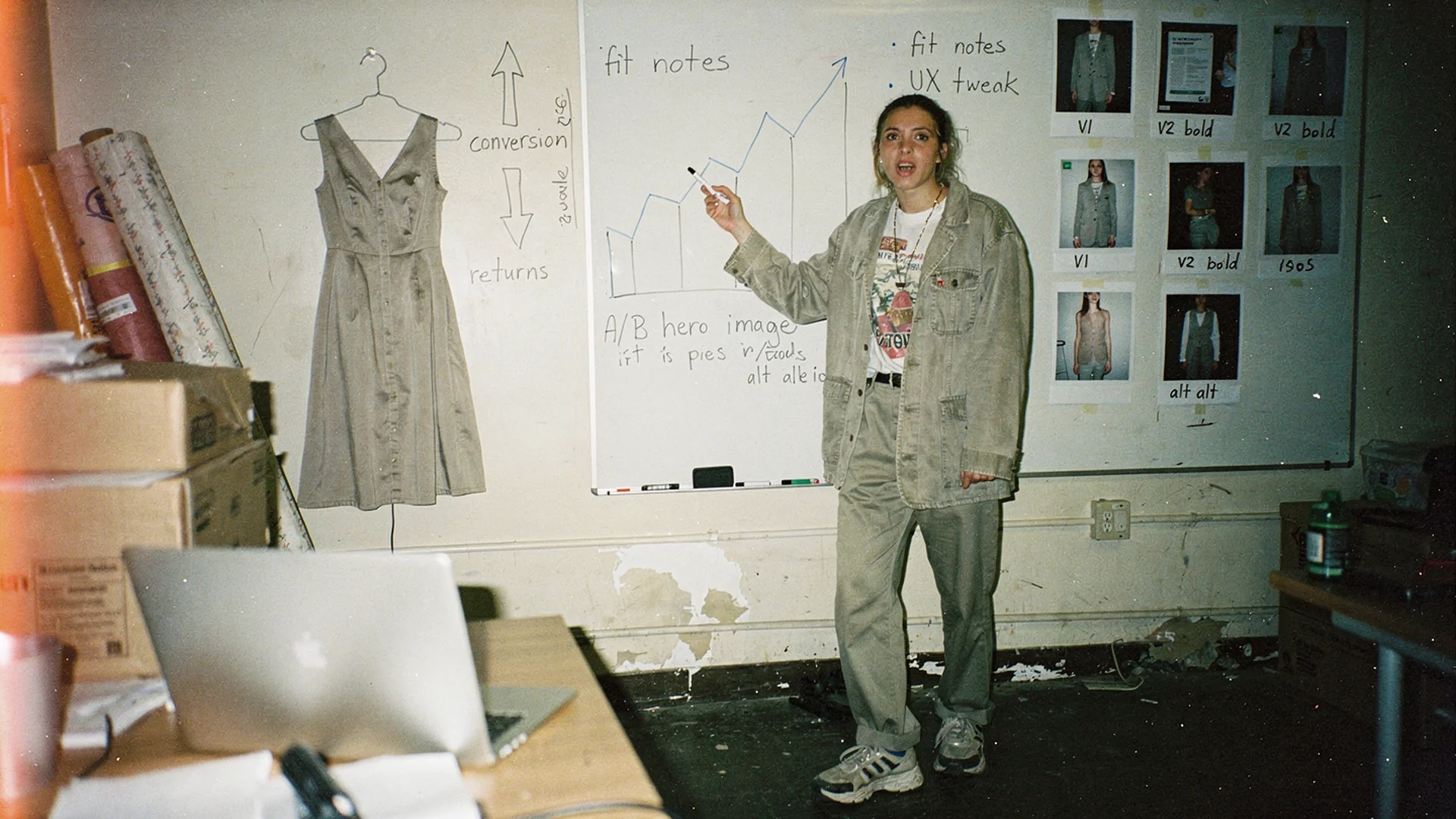
Merchant proof patterns repeat: hero SKU rollout, cohort metrics, then expansion.
How To Read Fashion Try-On Case Studies
Before numbers, check methodology:
- Cohort comparison: try-on users vs non-users, not site-wide before/after only
- SKU scope: hero products first, not whole catalog day one
- Time window: at least two weeks beyond launch novelty
- Return reasons: fit vs changed mind vs quality
- Placement: visible on mobile PDP, not hidden demo page
If a case study lacks those, treat it as marketing.
Pattern 1: Denim Brand Reduces Bracketing
Profile: DTC women’s denim, mobile-heavy traffic, high two-size order rate.
Rollout: Try-on on top ten fits via no-code theme block. Placement above size selector. Garment measurements added to chart.
Results merchants report in this pattern:
- Try-on starts concentrated on new washes first week
- Units per order down on try-on cohorts
- Support tickets shift from “between sizes” to shipping questions
- Return reasons citing length and rise drop before overall return rate moves
Connects to cost of bracketing in fashion.
Pattern 2: Dress Label Lifts Confident Conversion
Profile: Occasion and day dresses, return reason “fit not as expected” dominant.
Rollout: Antla virtual try-on on hero silhouettes. Email to repeat customers highlighting preview on new arrivals.
Observed metrics class:
- 35% higher conversion on average among try-on users vs non-users (Antla merchant aggregate)
- 2-3x longer PDP engagement during try-on sessions
- Lower “looked different” returns within first 60 days
Engagement without conversion would worry a CRO lead. Here engagement pairs with lift, matching product page engagement quality guidance.
Pattern 3: Multi-Category Store Targets Returns
Profile: Clothing store with denim, tops, and outerwear; blended return rate above category average.
Rollout: Phased by department using clothing store guide. Returns team tagged try-on orders in notes field for 90-day study.
Returns outcome class:
- Up to 30% return reduction when try-on addressed primary visual expectation gap (Antla customer reports)
- Biggest win on structured pieces, smaller on forgiving tees
- Merchandising used try-on drop-off SKUs to fix photography
Ties to returns before checkout and returns reduction strategy.
Pattern 4: Launch-Stage Brand Avoids Expensive Habits
Profile: New Shopify fashion brand, limited SKUs, no returns history yet.
Rollout: Try-on on launch collection plus strong size charts. See growing fashion brands try-on guide.
Lesson:
Early try-on sets expectation discipline before bracketing becomes cultural. Cheaper than retraining customers later.
Pattern 5: Premium Category Uses Pro Rendering
Profile: Higher AOV dresses and tailoring with fabric detail sensitivity.
Rollout: Standard try-on plus Antla Pro AI on select SKUs. Photography audit first per photography vs try-on.
Lesson:
When detail drives returns, fidelity tier matters. Finance approved Pro cost against AOV and return processing math from pricing and ROI guide.
What Failed Rollouts Have In Common
Not every test wins immediately. Weak patterns include:
- Try-on linked only in FAQ footer
- Size charts still inaccurate
- Theme conflict broke mobile camera flow
- No internal owner after install
- Expecting instant site-wide conversion jump
Fix with theme compatibility guide and implementation steps.
Benchmark Table (Aggregate Merchant Patterns)
| Signal | Typical Antla merchant range | Your store should prove |
|---|---|---|
| Conversion lift (try-on cohort) | ~35% average | 4-week cohort |
| Engagement time | ~2-3x on PDP | Sanity vs bounce |
| Return reduction | Up to ~30% when fit-led | Reason codes |
| Review rating | 5 stars, 80+ reviews | App Store + your CSAT |
Macro context: NRF 2024 returns total shows why incremental return prevention matters at scale.
Social Proof Beyond Numbers
Antla is backed by Google for Startups Accelerator and AWS Accelerator, serves 100+ Shopify fashion brands, and maintains 5-star ratings from 80+ reviews on the App Store.
Those signals do not replace your cohort test. They shorten vendor risk before you commit hero SKUs.
Building Your Own Case Study Internally
Template for month-one memo:
- Hero SKUs enabled and placement screenshot
- Try-on start rate weekly
- Conversion try-on vs control
- Return rate and top three reasons
- Support ticket themes
- Decision: expand, reposition, or fix charts
Share with finance using ROI worksheet.
Compare Before You Buy
Use best virtual try-on hub and app evaluation checklist so your case study compares against clear alternatives, not only status quo.
How To Run Your Own Case Study
Document baseline conversion, bracketing, and top return reasons for thirty days before try-on. Enable preview on one hero SKU. Compare try-on users vs everyone else for another thirty days. That internal case study beats generic vendor claims and tells you whether to expand within the category.
Share Results Internally
Send finance a one-slide view: try-on user conversion delta, bracketing change, and top return tag movement. Merchandising cares about SKU-level patterns. Marketing cares whether PDP time-on-page rose without hurting load speed. One dashboard prevents try-on from becoming a mystery line item.
Publish the case study internally before you publish it externally. Operators who lived through the rollout will spot gaps in the narrative before prospects do.
Frequently Asked Questions
What results do fashion brands see with virtual try-on?
Strong rollouts show higher conversion among try-on users, longer PDP engagement, fewer fit-led returns, and less bracketing. Antla merchants often report around 35% conversion lift, 2-3x engagement, and up to 30% return reduction when visual expectation was the main issue.
How long before virtual try-on results show up?
Directional cohort data often appears within two to four weeks on hero SKUs with visible placement. Return reason shifts may take a full return cycle.
Which fashion categories show the fastest wins?
Denim, dresses, blazers, and swimwear typically show clearer signals than forgiving basics. Prioritize SKUs with known fit anxiety.
How do I document a virtual try-on case study for my brand?
Track try-on vs non-try-on cohorts on conversion, returns, and support themes weekly. Include placement screenshots and SKU scope so results are attributable.
Proof Cluster Navigation
- Best virtual try-on for Shopify fashion (hub)
- Virtual try-on vs size charts
- AI virtual try-on explained
- Shopify conversion benchmarks
- Install Antla on Shopify
About the author: Aaron started Antla to make online fashion personal. He documents merchant patterns so operators know what good try-on rollout looks like.
Want similar cohort data on your store? Start with Antla on Shopify and use the pricing and ROI worksheet.